
Last updated November 22, 2026
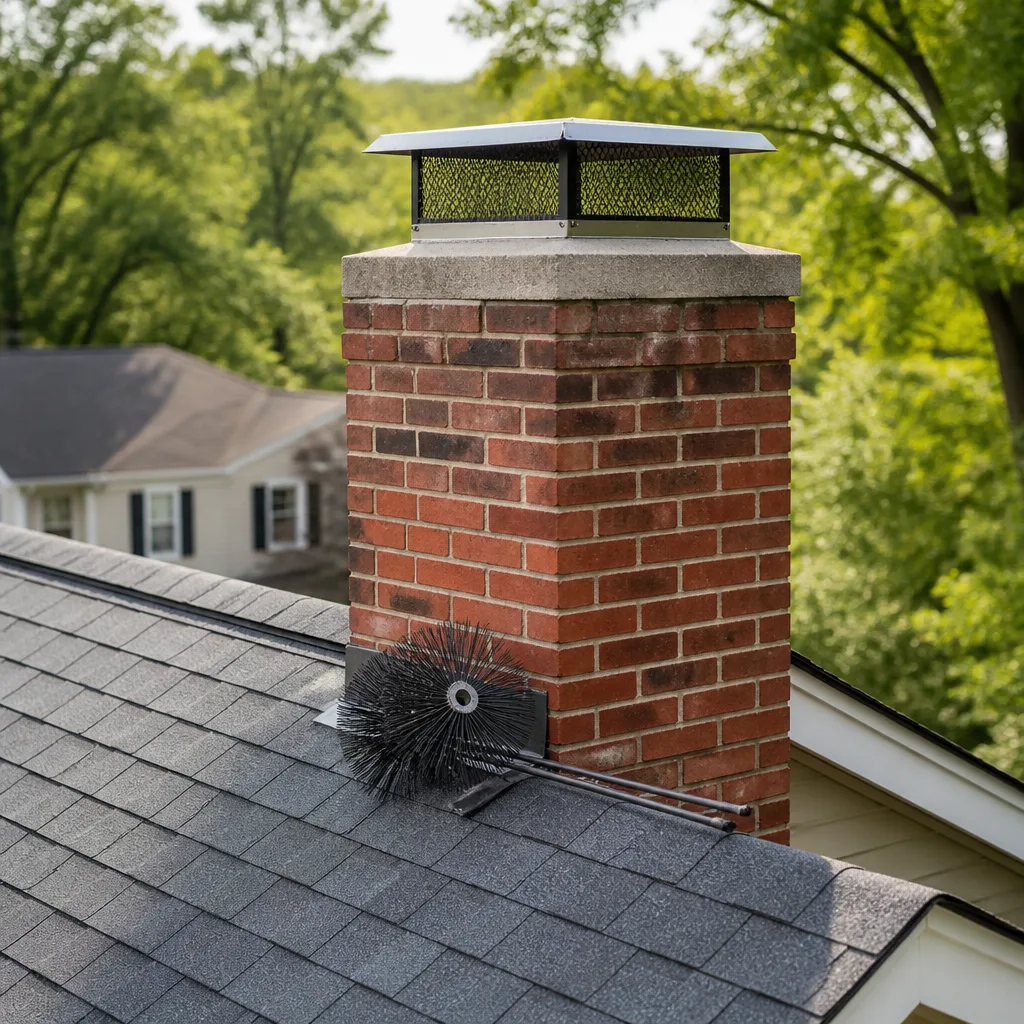 Sweep & inspection
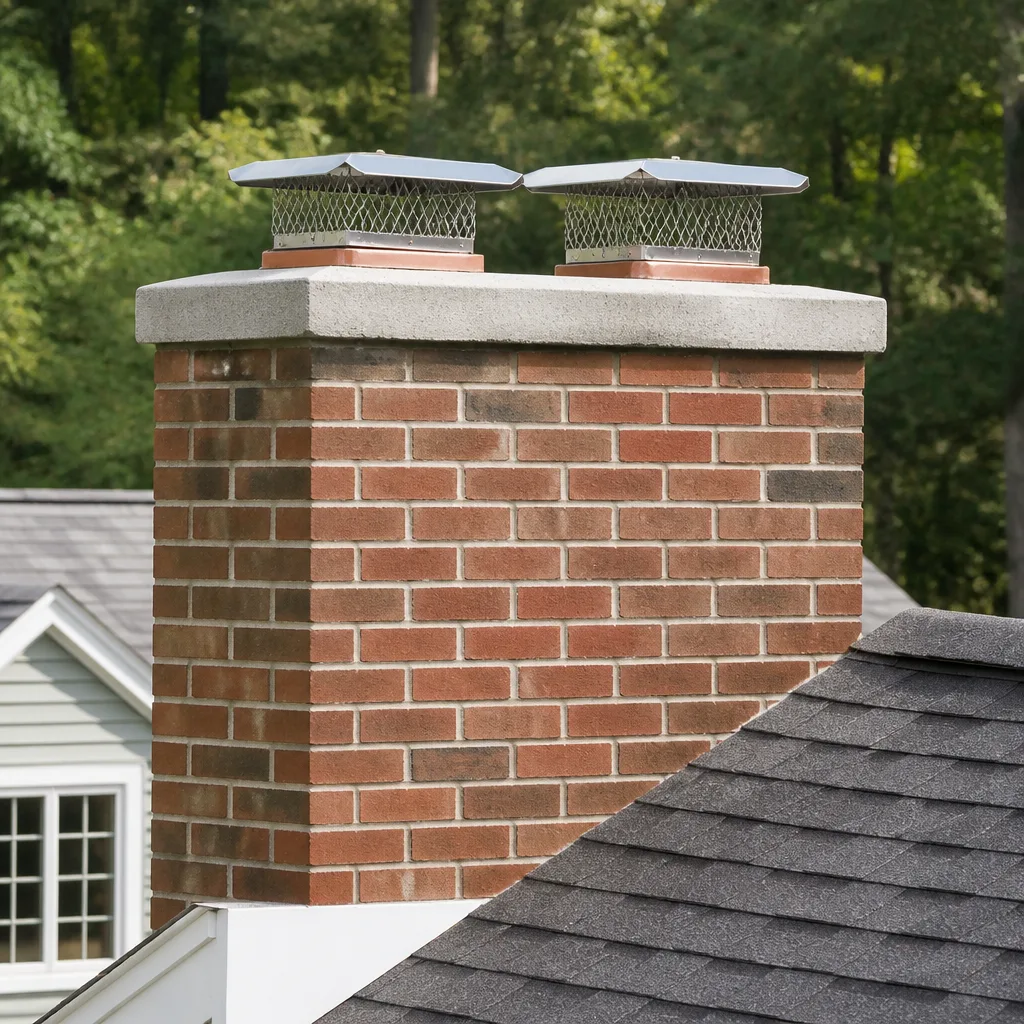 Caps & crowns
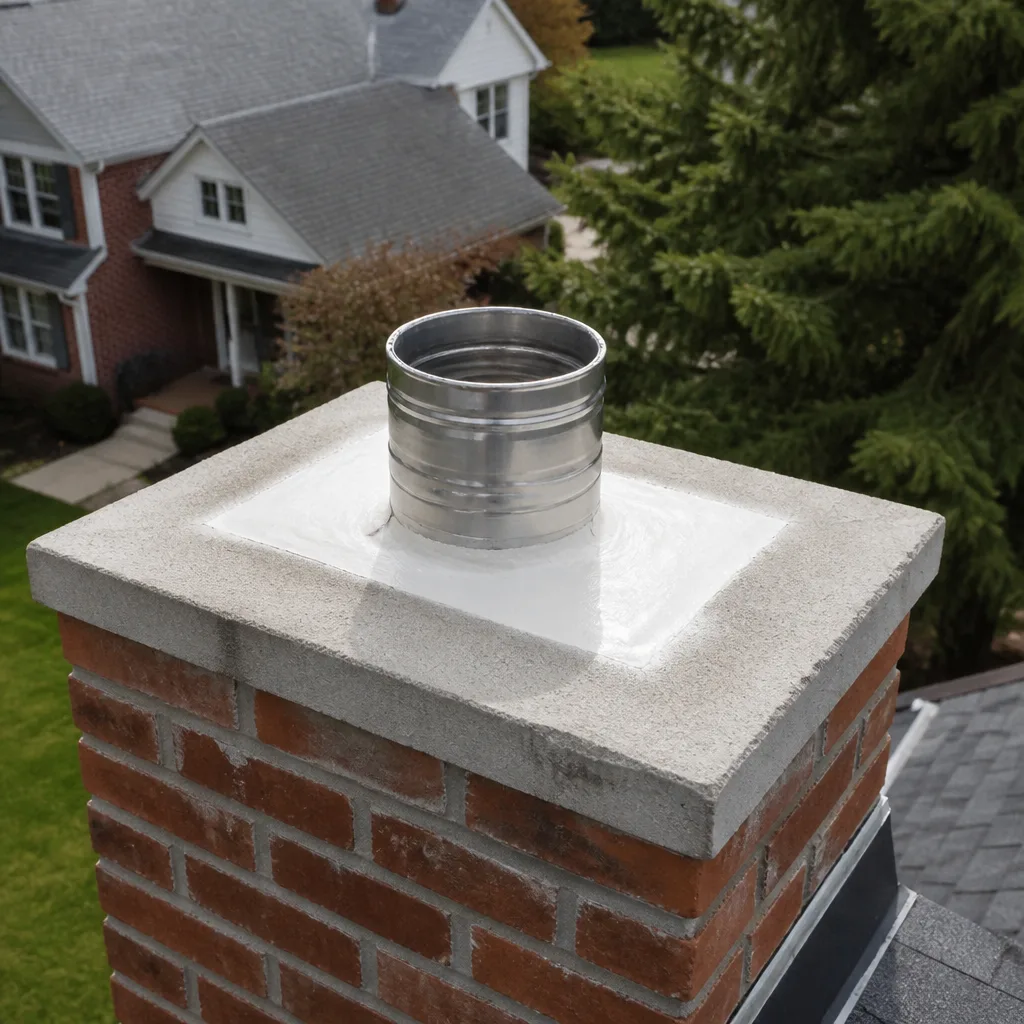 Flue relining
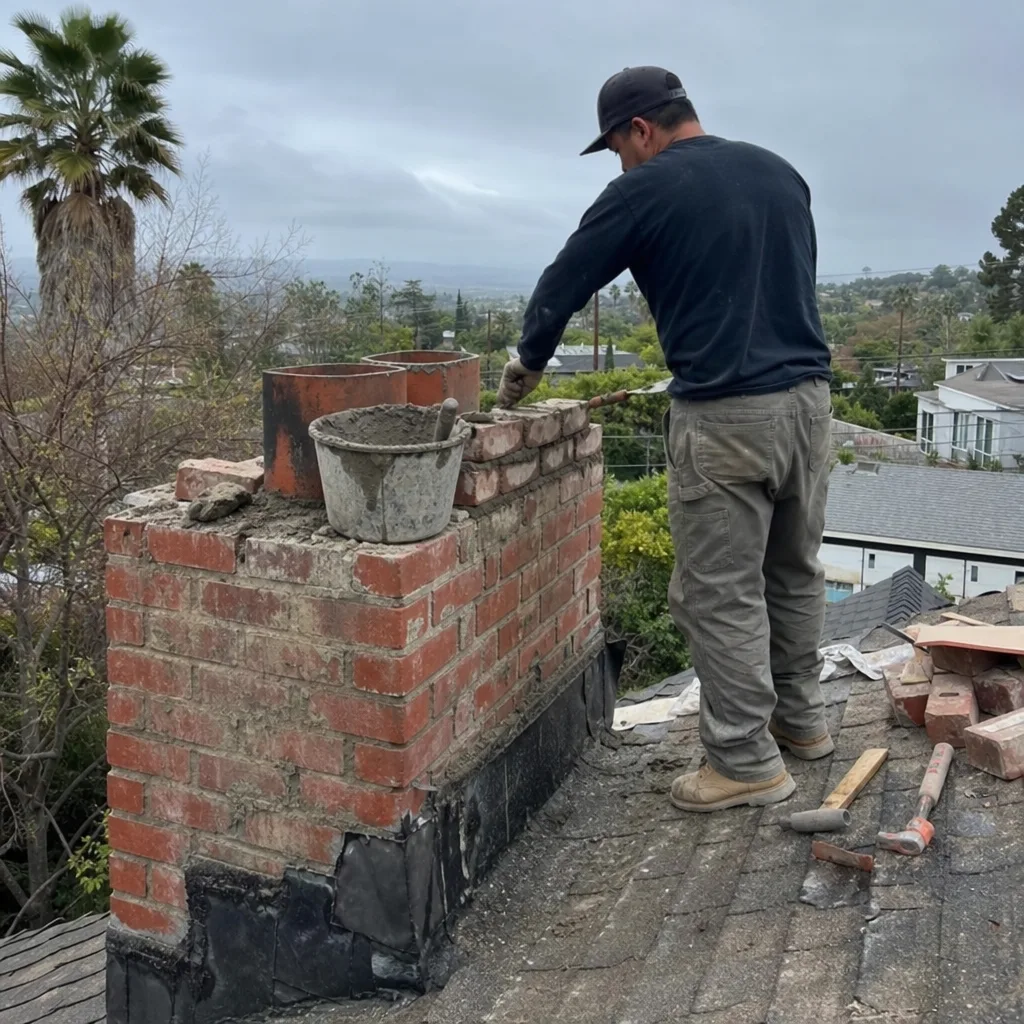
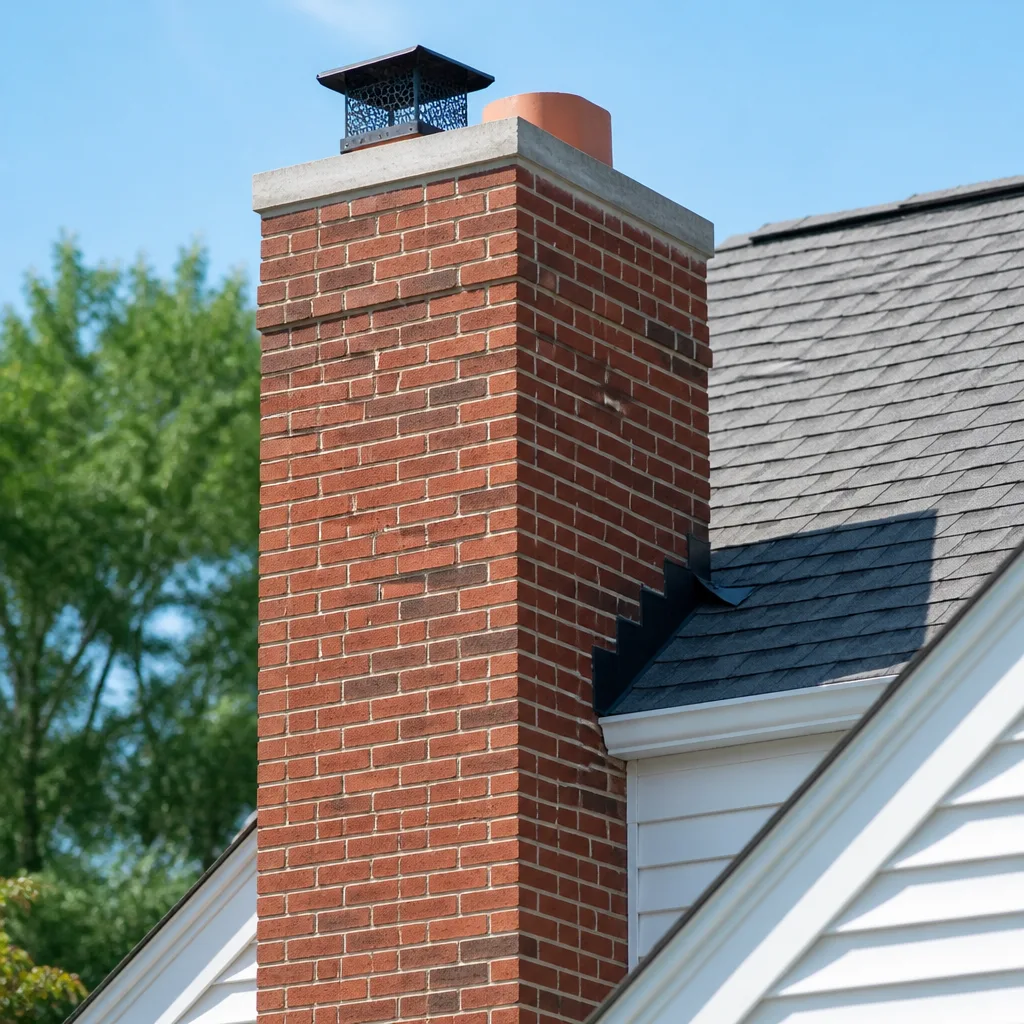 Masonry repair
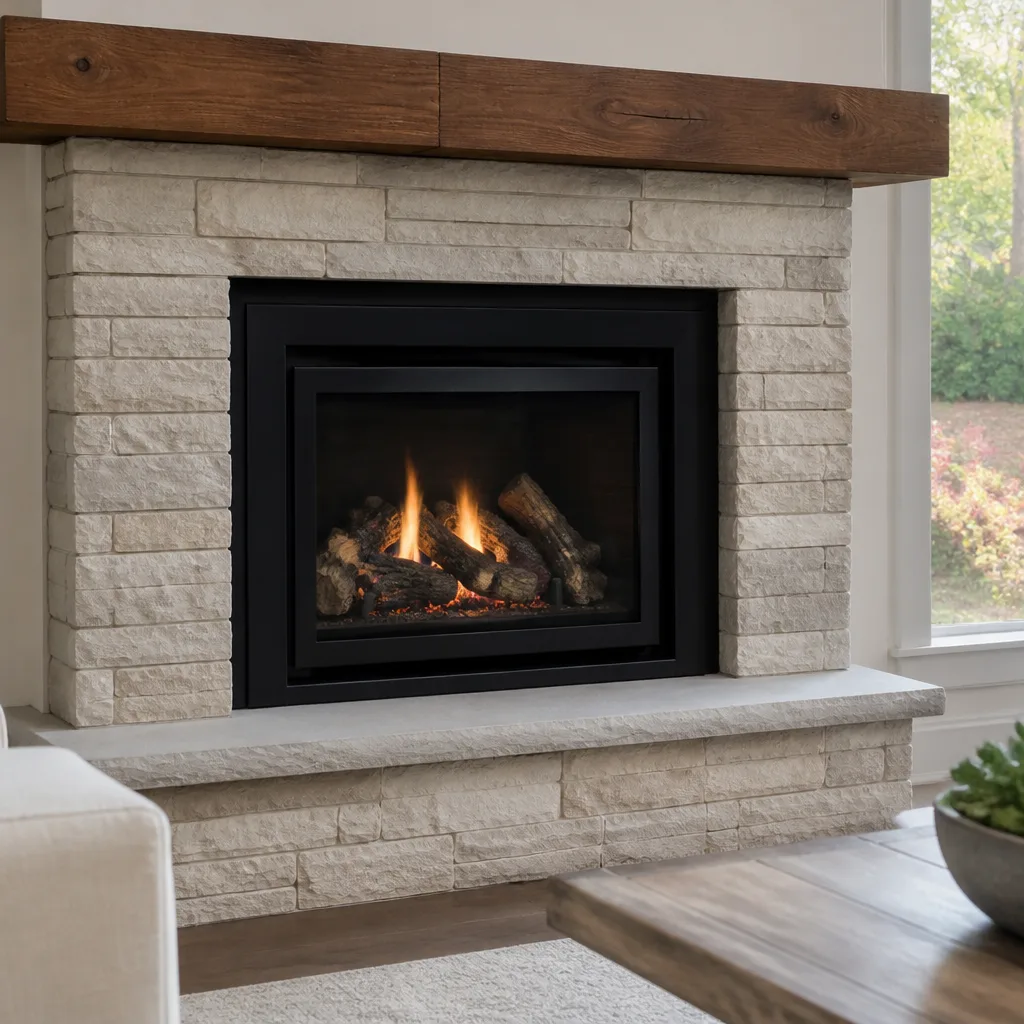 Gas fireplace service
Level 1 sweep and inspection to the NFPA 211 annual standard - flue, crown, cap, and flashing checked and photographed
Chimney sweep logs do not sweep chimneys. They loosen some creosote - which then falls where a brush and vacuum still have to collect it.
Chimney Cleaning Warning Signs: A Pacific Palisades Homeowner’s Reference Guide
Most homeowners wait for the dramatic signs: smoke rolling into the living room, a heavy black stain on the chimney breast, or tumbling chunks of creosote. Those are late-stage symptoms. The warning signs that actually predict a chimney fire, a carbon monoxide leak, or a structural repair bill show up months earlier and are far quieter. A powdering white stain on the brick, a whiff of musty air when you open the damper, a hairline crack in the crown mortar. This guide covers the early indicators we look for in Pacific Palisades homes, what each one tells you about the internal condition of the system, and which signs mean stop using the fireplace today.
Quick Answer
The earliest chimney warning signs are often exterior: efflorescence (white mineral staining), spalling brick, and cracked crown mortar all point to water entering the masonry and deteriorating the flue from the outside in. Indoor signs worth watching include persistent smoky odors on warm days, a musty or wet smell when the damper opens, rust flakes in the firebox, and smoke that reverses into the room when you first light a fire. Black staining and visible backdraft are late-stage warnings, not early ones. If you see any of the exterior signs, schedule a diagnostic inspection before your next burn.
Styles & brands we work with
- Sweep & inspection
- Caps & crowns
- Flue relining
- Masonry repair
- Gas fireplace service
Table of Contents
- Exterior Warning Signs and What They Mean
- Indoor Warning Signs: Odor as a Diagnostic Tool
- Damper vs. Liner vs. Cap: Isolating the Problem
- Warning Signs Specific to Pacific Palisades Homes
- Stop-Use Conditions vs. Monitor-and-Schedule
- Reading Creosote: What the Deposits Tell You
- Which Type of Inspection You Need
- Common Mistakes to Avoid
Exterior Warning Signs and What They Mean
A white stain running down the outside of the chimney is normally the first sign we notice on a Pacific Palisades chimney, and it’s the one most often dismissed. That stain is efflorescence. It happens because water is moving through the masonry, dissolving mineral salts inside the brick, and evaporating on the surface, leaving the salts behind. The stain itself does no harm. What it tells you is that water is already inside the structure. And water inside the structure is what begins to separate the flue liner from the surrounding masonry.
Walk your property once a season and look for these:
- Efflorescence: white or grayish powdering on the brick or mortar. Water is present in the masonry. Often the first visible clue of a failing crown or cap.
- Spalling brick: the face of a brick peeling or flaking away in layers. Freeze damage isn’t the mechanism here; prolonged water saturation and thermal expansion are. Spalling means the brick is already in decline.
- Cracked crown mortar: hairline cracks that run from the flue opening outward or across the crown. The crown is a concrete cap that sheds water off the top of the chimney. When it cracks, water enters the flue, and the cycle of saturation begins.
- Rust streaks on the cap or flashing: rust running down from the cap fasteners or flashing joints. Rust means moisture is present on metal components that should stay dry.
- Deteriorated flashing: visible separation between the chimney and the roof, cracked tar, or lifting metal. A flashing failure routes roof water directly down the chimney chase.
None of these is an emergency in itself. Together they tell you the chimney is no longer shedding water the way it was designed to. That’s where full-system inspection starts. When the exterior is compromised, the interior likely has a problem too. A standard chimney sweep won’t catch it if the problem is above the firebox, which is why we treat exterior clues as a reason to book a diagnostic inspection rather than a cleaning.
Indoor Warning Signs: Odor as a Diagnostic Tool
Smell from the fireplace opening is one of the most useful diagnostic tools available to a homeowner, and it’s routinely ignored. The type of odor tells you what’s happening inside the chimney system, and it points to a specific failing component. Odor should never be the only sign you act on, but it narrows the diagnosis fast.
What each smell usually points to
- Sharp creosote smell (acrid, tar-like, faintly chemical): active creosote buildup on the flue walls. Odor is worse on warm days because the chimney “reverses” when outdoor air is warmer than indoor air. Creosote smell means deposits are present, and the flue should be swept before the next burn season.
- Musty or wet smell: moisture trapped in the flue or masonry. Usually the first thing a homeowner notices after a crown or cap failure. Musty smell plus efflorescence on the outside is a strong pair.
- Rotting or decaying smell: often an indication of a broken flue tile, a failing liner, or animal debris lodged in the flue. Should be looked at promptly.
- Drafting smoke on relight: small wafts of smoke coming back into the room when you first light the fire. Usually indicates a partial obstruction, a low-pressure space, or a damper that isn’t opening fully.
- Rust flakes in the firebox: falling particles that look like small pieces of metal or brown gravel. Rust in the firebox means metal components (damper, damper frame, cap fasteners) have rusted through or are shedding. The failing component needs to be identified.
In Pacific Palisades, odor is more diagnostic than in many climates because the mild winters and warm shoulder seasons keep chimney temperatures near room temperature for long stretches. The chimney sits cool, which slows draft and makes creosote smell more noticeable. It also keeps moisture in the masonry longer before it fully dries. If you smell creosote in a Pacific Palisades home in spring or early fall, the firebox has most likely been sitting with deposits through a low-draft period.
Damper vs. Liner vs. Cap: Isolating the Problem
When smoke is the only symptom you have, the challenge is figuring out which component is failing. Smoke behavior isolates the problem quickly if you follow the right sequence. A damper, a liner, and a cap each fail in different ways, and each produces a different pattern in how smoke moves.
Follow this sequence
- Open the damper fully and re-light. If smoke backs into the room on a freshly lit fire but clears once the flue warms, the damper is likely operating correctly and the problem is elsewhere. If smoke continues to back up with the damper fully open, move to step 2.
- Look up the flue with a flashlight. If you see glossy or flaky black deposits thick enough to narrow the opening, you have a creosote problem. If you see rough patches, broken tile edges, or gaps between tiles, you have a liner problem. If you see daylight but the smoke still backdrafts, move to step 3.
- Check the cap from the ground with binoculars. A missing or damaged cap allows birds, squirrels, and debris to block the flue, and a rusted-through cap can allow water to fall directly down the chimney. If the cap is failing, that’s the problem.
- Compare smoke patterns across a few fires. A cap problem produces smoke backup that doesn’t change from fire to fire. A damper problem often shows up only in certain seasons or with certain wind directions. A liner problem typically produces consistent smoke backup that gets worse over time.
We see this sequence play out most often on homes near the Alphabet Streets and in the Huntington Palisades area, where original mid-century fireplaces have undergone partial updates over the decades. A cap-and-crown replacement may have been done, a damper replaced, a firebox cleaned – but the liner behind the firebox tile may still be the original. When that liner finally fails, the symptoms look like a damper problem even though the damper is fine.
A chimney cap & crown replacement is one of the few upgrades that resolves a specific category of smoke backup permanently. If the source of intermittent smoke reversal is a rusted or missing cap, the fix is straightforward. If the cap and crown are fine and the liner is the source, a reline is the conversation.
Warning Signs Specific to Pacific Palisades Homes
Some warning signs appear here in patterns you don’t see inland. The local climate sets the schedule for how a chimney fails, and the housing stock sets which components fail first. This is the local knowledge that separates a general cleaning pass from a real diagnostic.
- Rust-streaked caps. The cap sits on top of the chimney and sees full sun and full rain. When the fasteners rust through, the cap begins to lift at one edge or turn in the wind. Once that happens, the flue is fully open to rain, birds, and debris.
- Deteriorated galvanized flashing. Older homes here often have galvanized flashing from the original build. When the galvanization breaks down, the metal underneath rusts and loses the seal at the roofline. Water runs directly down the chimney chase.
- Crown cracking from thermal-moisture cycling. Pacific Palisades winters are mild, but the sun still warms the crown, then rain cools it, then it warms again. That cycle, repeated for years, causes small fractures that open into permanent cracks.
- Efflorescence on the firebox face. White staining appearing inside the firebox or on the room-facing stone is a serious sign. Moisture is moving from the flue outward through the masonry into the living space.
- Damper rust-through. The damper blade and frame rust after a few seasons of moisture present in the firebox. A stuck damper is often the first symptom of a larger water intrusion problem.
- Odor in spring and fall. Fireplaces here sit idle longer than they do in colder climates. The chimney stays cool and damp, and creosote odor intensifies. If the fireplace smells stronger in April than it did in December, the flue is holding deposits.
If more than two of those local signs are present, the correct next step is a diagnostic inspection, not another cleaning. Our team has seen what a Pacific Palisades chimney looks like when only cosmetic fixes have been applied for a decade: new paint on efflorescence, a temporary tar patch on cracked mortar, a wire mesh screen over a rusted cap. None of those stops the water. All of them hide the diagnosis.
Stop-Use Conditions vs. Monitor-and-Schedule
Not every warning sign means stop burning today. Some do, and treating them as “monitor and schedule” is how a manageable repair becomes a dangerous one. The distinction matters because the alternative – banning every fire on the first whiff of creosote – is overkill and doesn’t serve the homeowner either. Here’s how we separate the two categories.
Stop using the fireplace immediately if:
- You see fire or glowing material through the flue wall, or visible flame escaping from the firebox into the surrounding masonry.
- There’s a carbon monoxide alarm going off anywhere in the home. CO has no smell, so the alarm is the only reliable early warning.
- Smoke reverses into the room with a fully open damper and does not clear after the flue warms.
- Creosote deposits are visible as a thick, glossy, or flaky layer on the flue walls. Glazed creosote is a fire hazard and the fireplace should stay cold until it’s removed.
- You can smell gas when the fireplace is off. Shut off the gas supply to the fireplace, ventilate, and call a professional.
- The firebox or firebox face has visible cracks, crumbling mortar, or white efflorescence appearing from the inside.
Monitor and schedule an inspection soon if:
- Efflorescence is present on the exterior but no interior signs are showing. Book a diagnostic to confirm the source.
- The crown mortar has hairline cracks but the cap is intact and the flashing is sound.
- Creosote odor is noticeable but deposits aren’t yet visible in the flue.
- Rust streaks are appearing on the cap fasteners but the cap is still seated correctly.
- The damper sticks but opens and closes fully with some effort.
What we don’t recommend is waiting a full season to act on any of the monitor signs. What looks like a minor crack in August can become a liner failure by the time the burn season starts, especially if a rainy winter has pushed water into the masonry. Booking an inspection and having the written report in hand before the first cool evening gives you options. Waiting until the fireplace stops drafting removes them.
Reading Creosote: What the Deposits Tell You
Creosote deposits are graded by chimney professionals, and the grade determines the recommendation. It’s also the place where a cleaning-only provider and a full-system provider give you different answers. Cleaning removes deposits. The inspection that runs alongside it tells you whether the flue itself is safe to keep using once the deposits are gone.
The three commonly recognized stages, and what each means:
- Stage 1: flaky, soot-like deposits. A brush removes them. This is the routine outcome of a standard sweep, and the fireplace is safe to use once the sweep is complete.
- Stage 2: hard, crusty deposits, sometimes starting to look shiny. Still removable, but requires more mechanical effort. This stage usually indicates the chimney has been run in low-draft conditions for a while: unseasoned wood, cool flue, poor air supply.
- Stage 3: glazed creosote. Smooth, glossy, or tar-like. This is a fire hazard and the hardest to remove. A standard sweep will not clear it. The liner has to be evaluated for replacement or, in some chimneys, resurfaced with a ceramic system before the fireplace can be safely used.
We install DuraFlex flexible liner systems for chimneys that reach Stage 3 and have compromised flue walls, because a glazed-creosote event combined with a cracked flue liner is a fire risk twice over. When the flue walls are structurally sound and the damage is limited to the interior surface, HeatShield ceramic resurfacing can restore the liner from the inside without a full reline. That’s a call a proper inspection makes, not a cleaning. It’s also why an inspection can be booked independently of the sweep here. If you’ve been told you need a full reline and want a second opinion, a diagnostic-only visit tells you whether that’s actually true.
Which Type of Inspection You Need
Homeowners often ask which inspection to book, and the answer depends on the symptom. There are three levels of inspection in the chimney trade, and each answers a different question. Picking the right one saves time and money and prevents missing the actual problem.
Level 1: routine condition check
Visual inspection of the accessible portions of the chimney. Appropriate when there are no warning signs, no changes to the system, and you just need the annual condition check before the burn season. Usually paired with a standard cleaning.
Level 2: diagnostic inspection
Adds a camera inspection of the flue from inside the chimney. Appropriate whenever any warning sign on this page is present, when you’ve recently bought the home, when a liner or appliance has been replaced, or when there’s been an event that may have damaged the system. This is the inspection that answers the smoke-backup questions above and tells you whether the liner is intact.
Level 3: structural evaluation
The most diagnostic of the three, used after a suspected chimney fire, after a structural event (masonry damage, roof leak, seismic movement), or when dangerous conditions are suspected. Rarely needed, but essential when the conditions warrant it.
We book inspections as standalone diagnostics, not just as an add-on to a cleaning. If you’re not sure which level fits your situation, describe your symptoms when you call and we’ll book the right one.
Common Mistakes to Avoid
- Treating efflorescence as cosmetic. A white stain on a Pacific Palisades chimney is a moisture diagnosis, not a paint problem. Painting over it seals the surface and traps the water inside, which accelerates spalling.
- Repairing the crown without diagnosing the cap. A new crown over a failing cap will re-crack within a season. The cap is what keeps the crown dry in the first place, so it gets replaced first.
- Sweeping but not inspecting. A standard sweep clears deposits. It does not tell you the flue is intact. Booking only the sweep when warning signs are present is how liners fail quietly.
- Treating a “seasoned wood” claim as a creosote solution. Using dry wood reduces creosote, but it doesn’t remove existing Stage 2 or Stage 3 deposits. Deposits need to come off.
- Assuming a mild-winter climate means the chimney doesn’t need annual attention. In Pacific Palisades, the chimney sits cool for longer than you’d think, and cool flue plus long idle periods is a recipe for creosote odor and moisture retention.
- Trusting a cap replacement without confirming the liner. If the cap failed and let water in for a season, the liner should be inspected before you declare the system safe.
- Skipping the diagnostic when the home is new to you. A new-to-you Pacific Palisades home’s chimney has a repair history you can’t see. A baseline Level 2 inspection is the only way to know what’s behind the firebox tile.
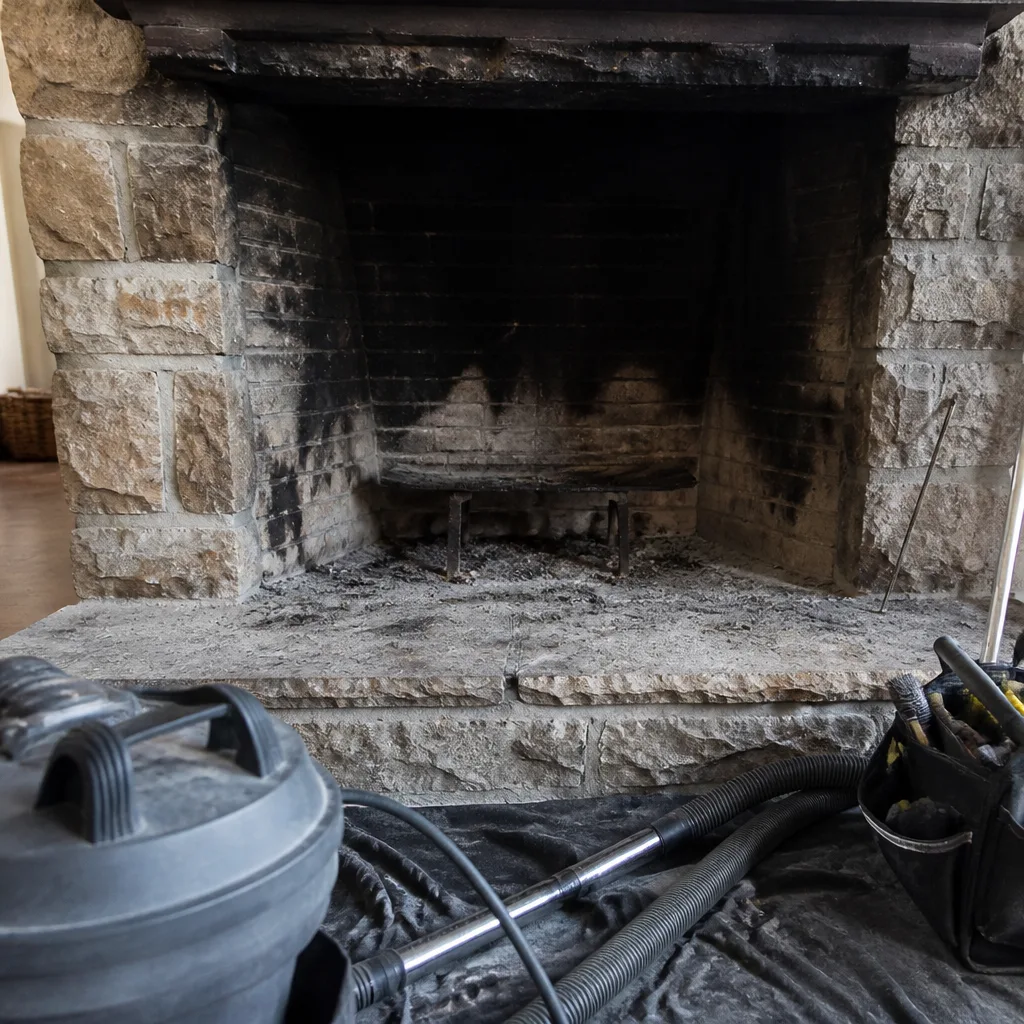
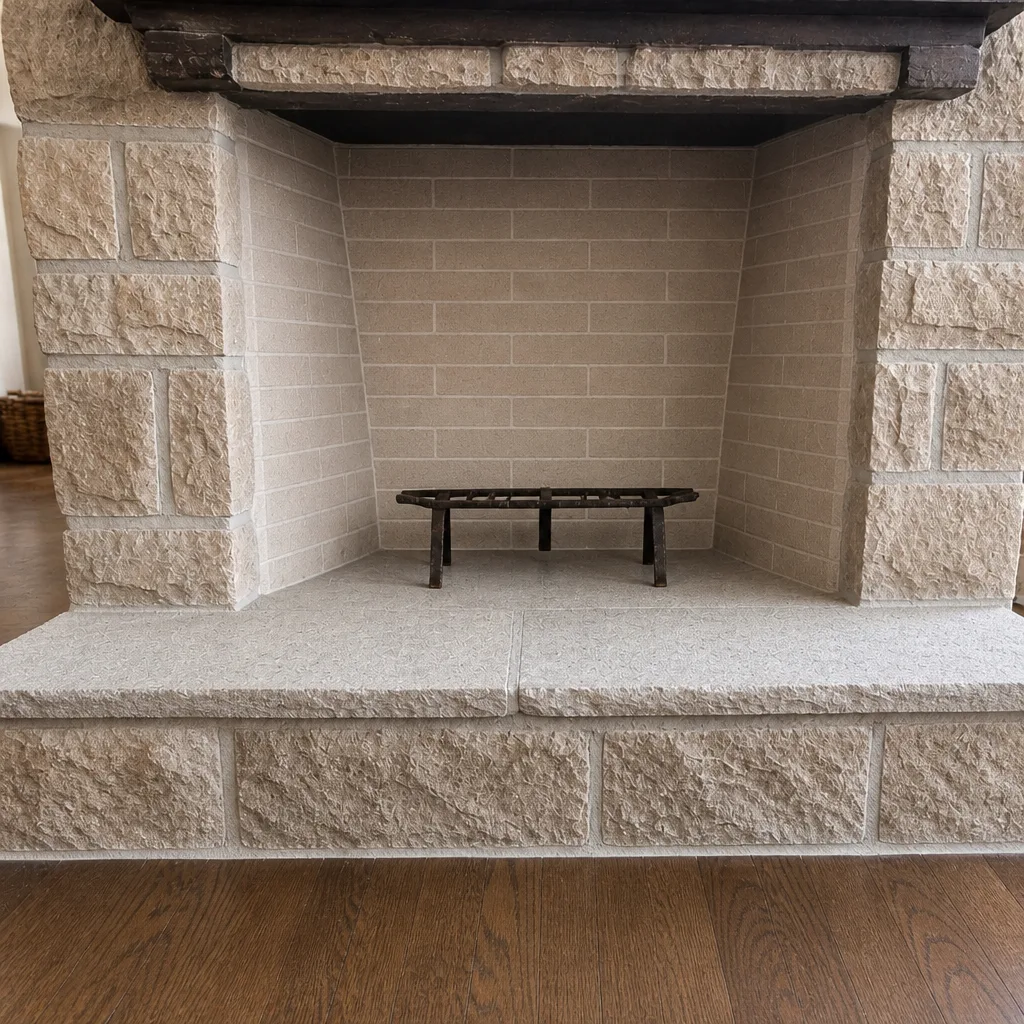
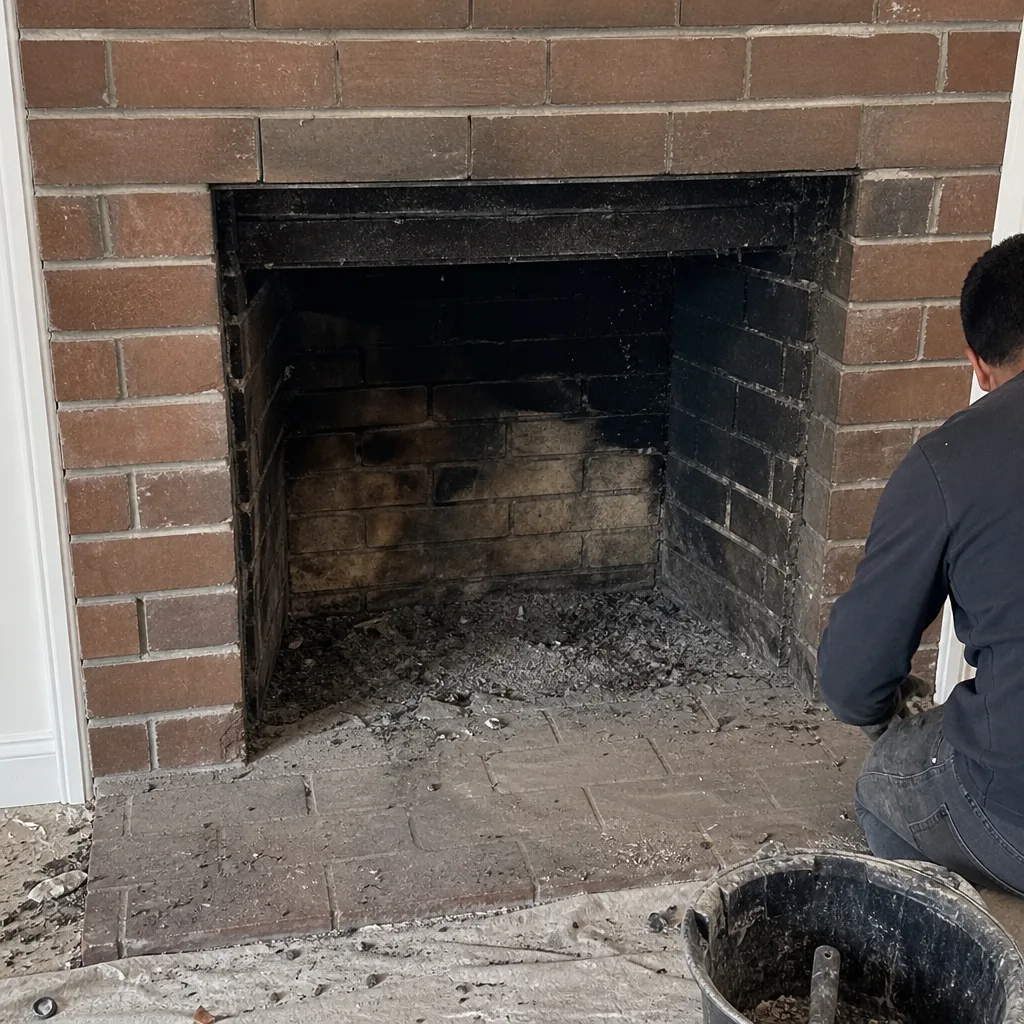
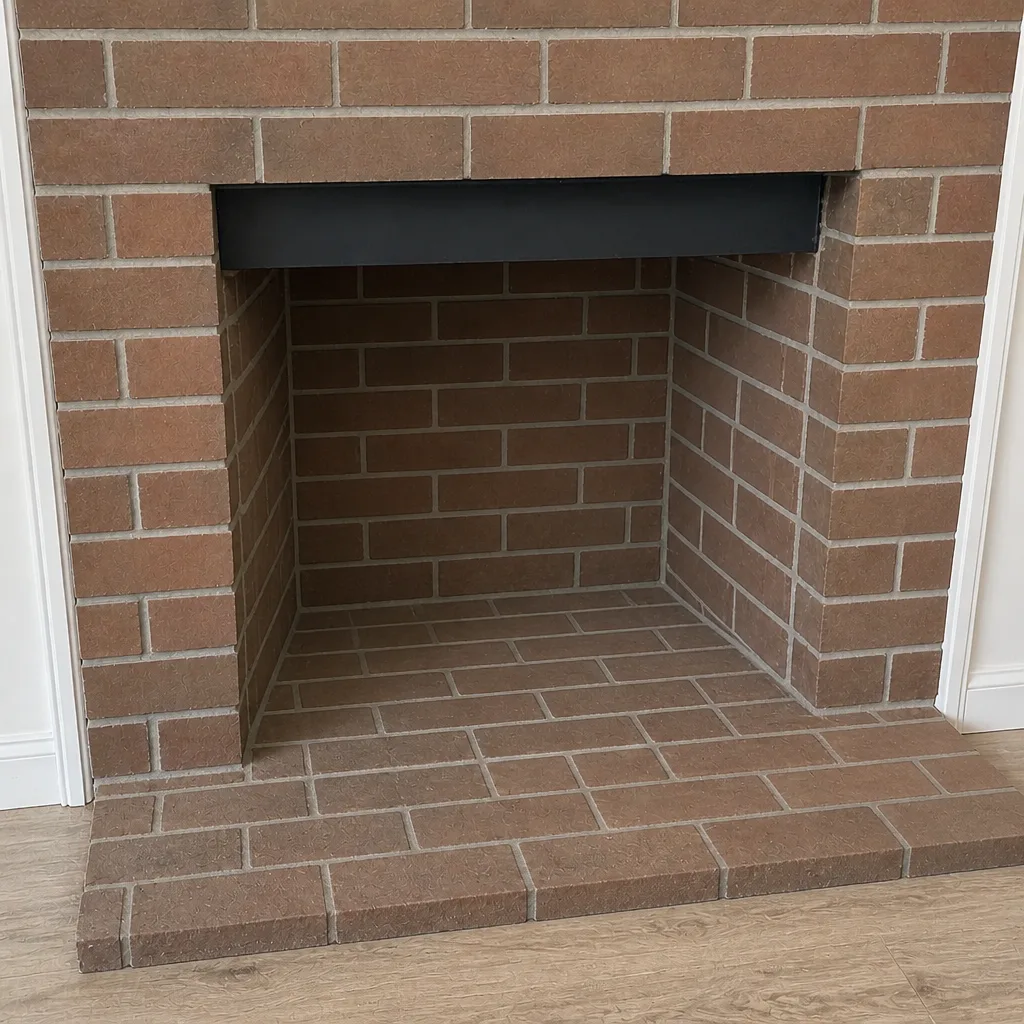
See the difference
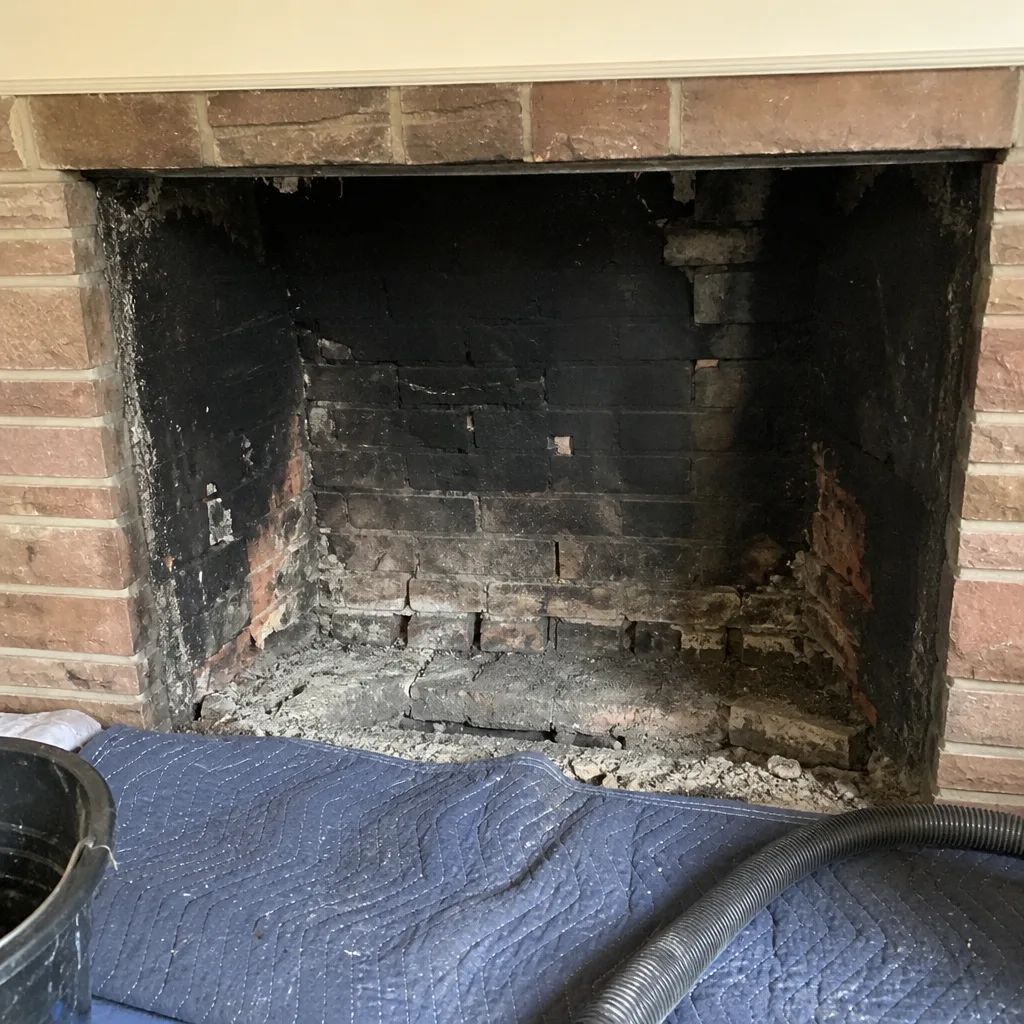 Before
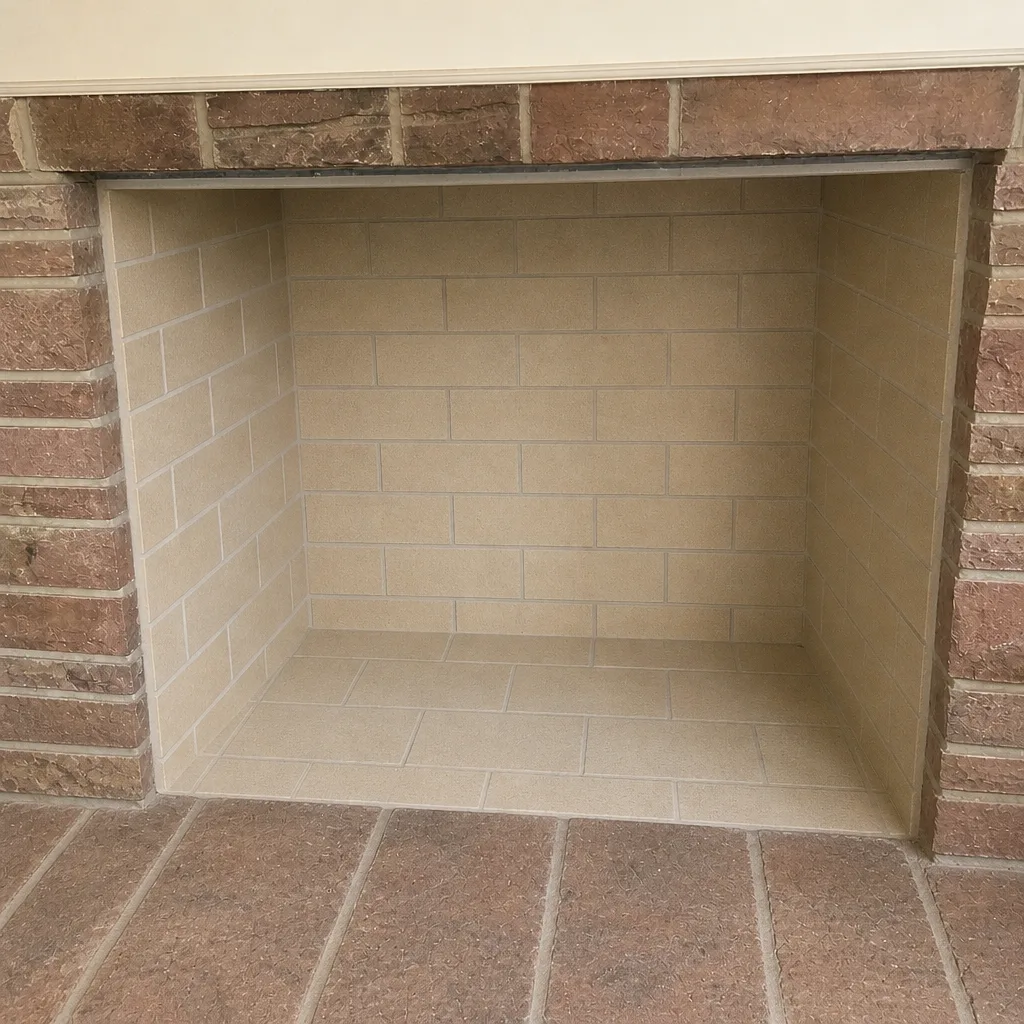 After
 Before
 After
 Before
 After
When to Call a Professional
Call a professional when any of the stop-use conditions above are present, when a CO alarm has sounded, or when creosote deposits are visible or glazed. Call when efflorescence, spalling brick, or a cracked crown has been there for more than one season, and when smoke reverses into the room with the damper fully open. Call when the fireplace is older than you can account for – especially in a home where the liner has never been documented – and when you’ve been told the chimney needs a repair without seeing evidence of it. A trained technician can identify the failing component and, when warranted, resurface or reline it using professional-grade materials. Chimney Sweep Pacific Palisades offers free estimates in Pacific Palisades. Call (855) 531-2802. We answer 24/7. Fast dispatch from 7am to 7pm, Sunday through Friday.
Frequently Asked Questions
Efflorescence – white or grayish mineral staining on the exterior brick or mortar – is usually the earliest visible warning sign, and it means water is already inside the masonry. It’s followed quickly by hairline cracks in the crown mortar and rust streaks around the cap fasteners. If you see any of these, book a diagnostic inspection before your next burn. Call (855) 531-2802 for an exact quote; estimates are free.
Smoke that reverses into the room with a fully open damper, consistent smoke backup that’s worsening over time, and musty or rotting odors at the fireplace opening all point toward a liner issue. A camera inspection confirms it. If the flue walls are intact and the damage is interior surface only, HeatShield ceramic resurfacing can often restore the liner without a full replacement. Call (855) 531-2802 for a diagnostic visit.
Not always. Stage 1 and Stage 2 creosote is removable with a proper sweep, and the liner is evaluated after the deposits come off. Stage 3 glazed creosote combined with a cracked flue liner usually does require a reline, which is where DuraFlex flexible liner systems come in. Nothing gets recommended without the camera inspection that shows the actual condition – and the photo report goes to you so you can see it. Call (855) 531-2802 to book the diagnostic.
A musty or wet smell means moisture is trapped in the flue or masonry, and in Pacific Palisades that usually traces back to a cracked crown, a failing cap, or deteriorated flashing letting water in. It’s a different failure mode from creosote smell, which is acrid and tar-like. Treating the source means stopping the water first. Call (855) 531-2802 to schedule an inspection.
Rust streaks themselves aren’t an emergency, but they mean the cap fasteners or the cap itself have started to fail, and once the cap lifts or rusts through, the flue is open to rain, birds, and debris. Book an inspection to confirm whether the cap needs replacement and whether the flashing behind it is sound. chimney cap & crown work usually resolves this category of problem in a single visit. Call (855) 531-2802 for a free estimate.
No. Warning signs progress whether or not you’re burning, and water intrusion in particular continues through the off-season. A chimney that isn’t in use is still exposed to rain, and existing damage that’s left alone only gets more expensive to fix. If it’s been more than a year since your last inspection, or you’ve never documented one on the home, book a diagnostic before next season.
A sweep cleans deposits from the flue. An inspection evaluates the system’s structural condition, including the liner, crown, cap, flashing, and firebox. They’re related but they answer different questions, and we book them independently – you can schedule an inspection without a cleaning if that’s what your situation calls for. A fireplace repair visit is also a separate service, though we coordinate across all of them under one provider. Call (855) 531-2802 to discuss which fits your symptoms.
The Bottom Line
The dramatic chimney warning signs – smoke in the room, black staining, visible fire – are the late arrivals. The early signs are quieter and easier to dismiss: a white stain, a musty smell, a hairline crown crack, rust on the cap fasteners. Catching them at the quiet stage usually means a repair, not a rebuild. Missing them through one wet season usually means both. Inspect first, decide second, and require evidence before authorizing work. If you’d rather look once at the actual photo report than guess from the exterior, a diagnostic visit is the way to get there. Call (855) 531-2802 for a free estimate. We answer 24/7. Fast dispatch from 7am to 7pm, Sunday through Friday.
Written by the team at Chimney Sweep Pacific Palisades.