
Last updated November 22, 2026
 Sweep & inspection
 Caps & crowns
 Flue relining
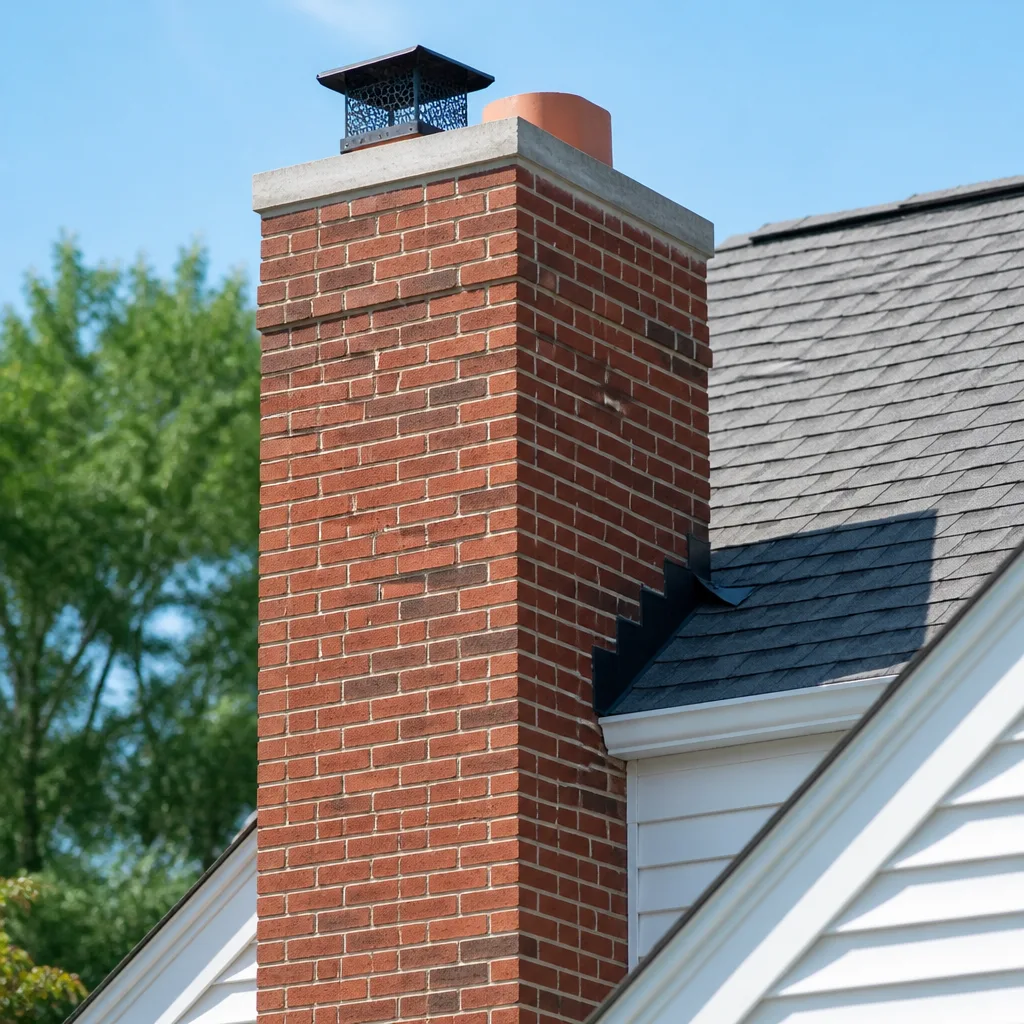 Masonry repair
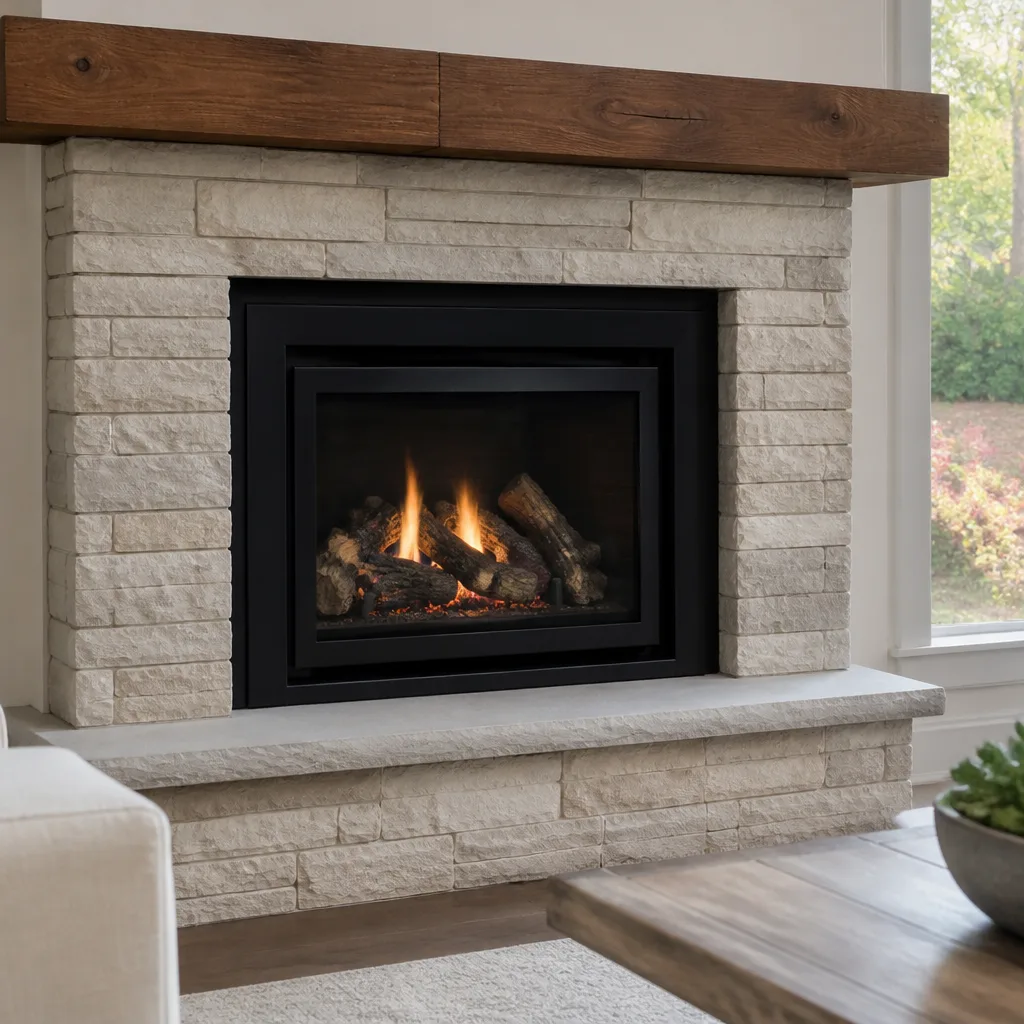 Gas fireplace service
Level 1 sweep and inspection to the NFPA 211 annual standard - flue, crown, cap, and flashing checked and photographed
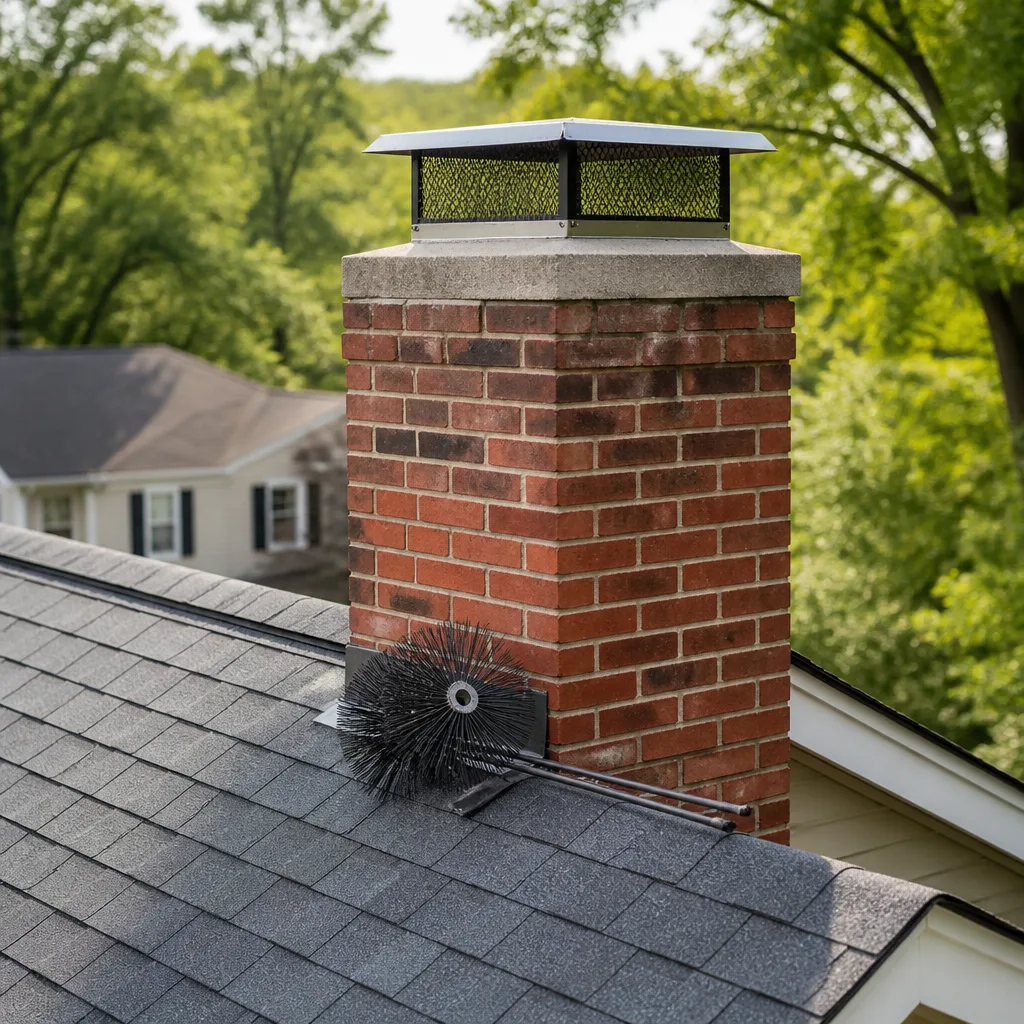
Chimney sweep logs do not sweep chimneys. They loosen some creosote - which then falls where a brush and vacuum still have to collect it.
Chimney Cleaning Permits, Codes & Inspections in Pacific Palisades, CA: What You Need to Know
If a contractor tells you liner replacement doesn’t need a permit in Los Angeles County, that’s a reason to stop the conversation. Unpermitted flue work can void your homeowner’s insurance coverage and complicate a future home sale in ways that cost far more than the permit fee. Most homeowners assume a permit is a box the sweep either checks or doesn’t, and that they have no part in the process. In reality, the permit trail is often the only paper that proves the work was done to code, and it becomes the backbone of an insurance claim or a disclosure package years later. This guide walks through which chimney services in Pacific Palisades actually require a permit, how state code and local amendments fit together, and how to verify a contractor pulled the right one before a single brick comes down.
Quick Answer
Routine chimney cleaning and inspection do not require a permit in Los Angeles County, but liner replacement, structural masonry repair, crown reconstruction, flashing replacement, and new appliance installation almost always do. California Building Code Section R1001 and NFPA 211 set the technical standard, and LA County adds local amendments plus fire-rebuild-zone oversight that affects Pacific Palisades properties. Verifying the permit before work starts protects your insurance claim and your home sale.
Styles & brands we work with
- Sweep & inspection
- Caps & crowns
- Flue relining
- Masonry repair
- Gas fireplace service
Table of Contents
- Which Chimney Services Don’t Need a Permit
- Which Chimney Repairs Do Require a Permit
- How California Building Code Section R1001 and NFPA 211 Fit Together
- Permit Implications in the Pacific Palisades Fire Rebuild Zone
- How to Verify Your Contractor Pulled the Correct Permit
- What a Level 2 Inspection Report Must Contain for Insurance and Disclosures
- Pacific Palisades Climate, Housing, and Chimney Condition
Which Chimney Services Don’t Need a Permit
Chimney cleaning, a standard Level 1 inspection, and a diagnostic Level 2 inspection do not require a permit in Los Angeles County. These are maintenance and diagnostic activities, not construction, and they don’t change a flue’s structure or dimensions. A sweep removes soot and creosote buildup; an inspection uses a camera and visual access points to record the condition of the flue, firebox, damper, crown, and cap. Neither activity is regulated as a building alteration, so no county permit is issued for either one.
That distinction matters in Pacific Palisades because a large share of the chimney visits here are diagnostic. The housing stock runs old, and the first visit on many properties is an inspection before anyone knows whether a sweep, a repair, or nothing at all is the right call. If you’re searching for a chimney sweep, ask whether the appointment is a cleaning or an inspection, because the two are booked differently and only one produces the written report an underwriter will accept.
The permit-exempt category is:
- Routine sweeping and creosote removal
- Level 1 and Level 2 camera inspections
- Diagnostic visits that end in a written report
- Replacing a fireplace grate, screen, or damper hardware that doesn’t alter the firebox structure
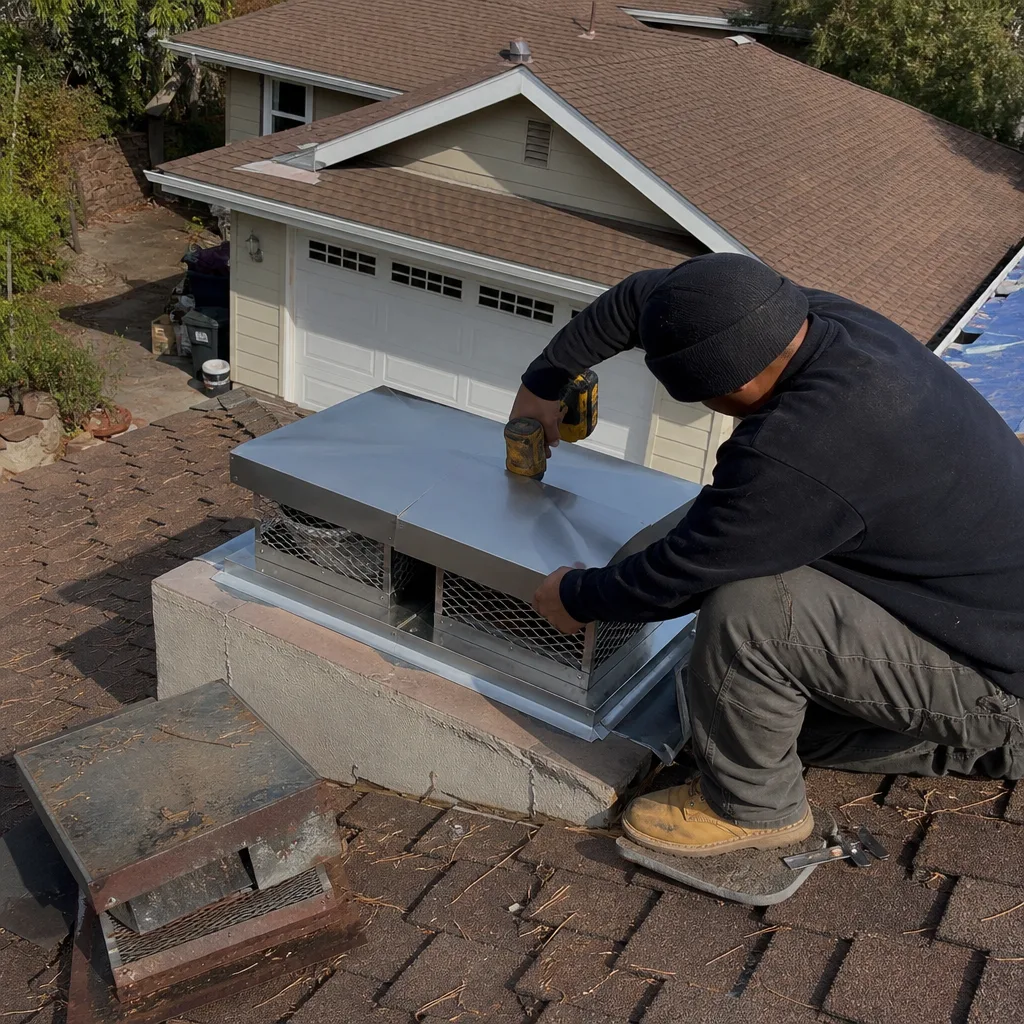
- Installing or replacing a chimney cap on an existing crown where no masonry is cut
Notice how narrow that list is. Once the work touches masonry, the flue liner, the crown structure, or the connection between the chimney and the roof, it lands in the permit-required column. Cleaning is also the perfect moment to check the whole system, and our Chimney Sweep Pacific Palisades service covers the sweep and the camera inspection in the same visit so nothing gets missed.
Which Chimney Repairs Do Require a Permit
Liner replacement, structural masonry repair, crown reconstruction, flashing replacement, and new appliance installation all require a permit in Los Angeles County. These are alterations to the chimney system, and the permit is the county’s way of confirming the finished work meets the standard before it’s buried behind a wall or sealed behind a cap. The permit isn’t a tax on a repair; it’s a review step that ties the finished installation to a code section.
The permit-required category, in practical terms:
- Flue liner replacement – installing a DuraFlex flexible liner system reshapes the flue’s interior path and its relationship to the firebox and termination.
- Structural masonry repair – rebuilding or stabilizing chimney stacks, shoulders, or the portion above the roofline.
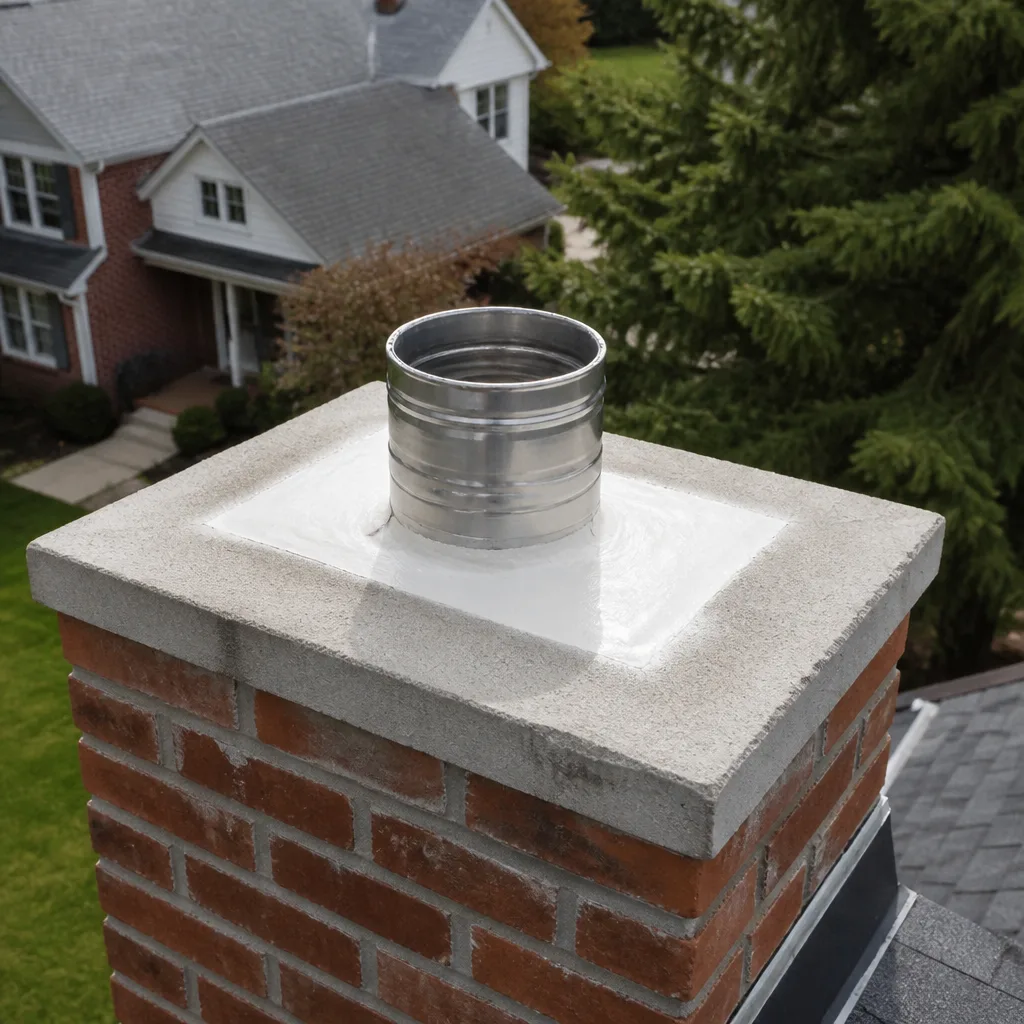
- Crown reconstruction – re-pouring or resurfacing a crown changes the water-shedding geometry of the whole chimney top.
- Flashing replacement – the roof-to-chimney intersection is a weatherproofing and structural detail.
- New appliance installation – adding or replacing a firebox insert, wood stove, or vented appliance changes what’s connected to the flue.
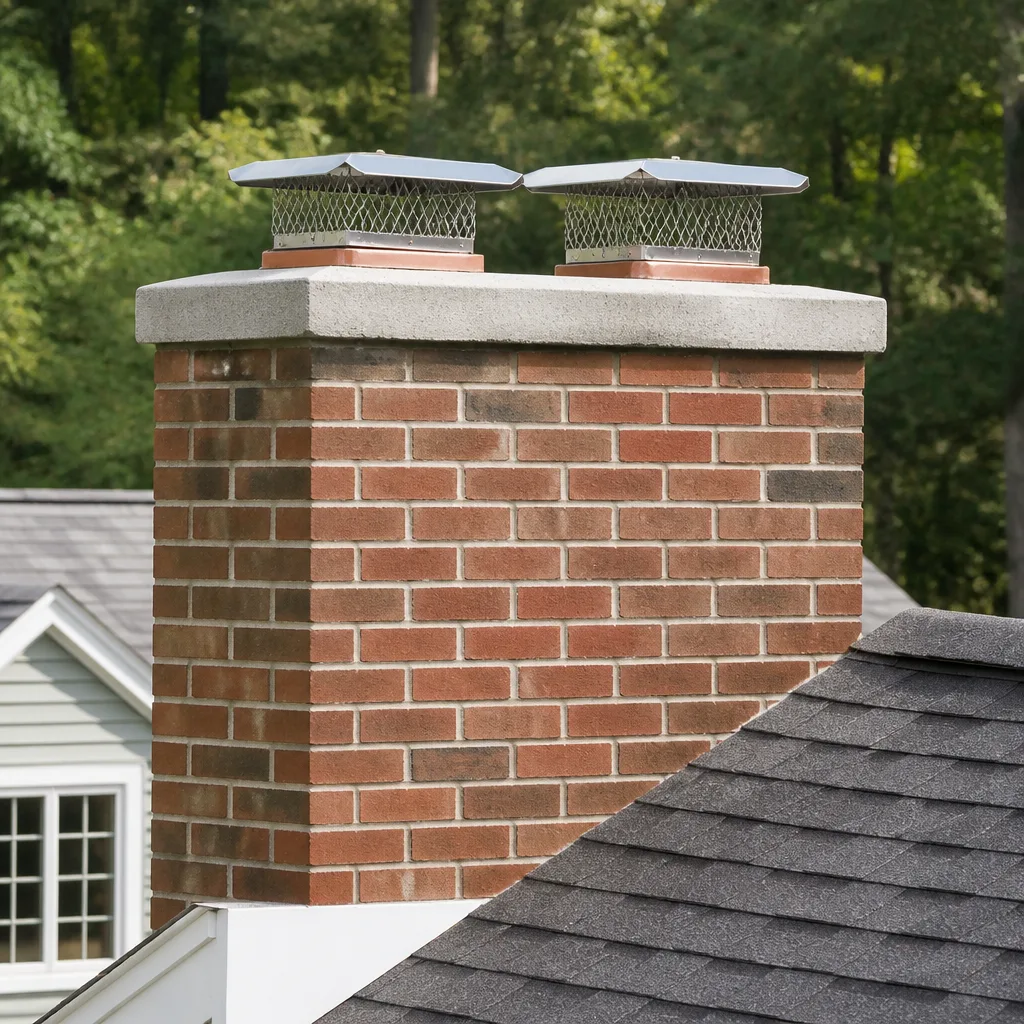
At the roofline, water entry is the biggest cause of chimney decline in Pacific Palisades, and a new chimney cap & crown system almost always falls into permit-required territory because it involves pouring and shaping masonry. We install Gelco chimney covers and Copperfield components so the crown, cap, and flashing are treated as one weatherproofing unit rather than three separate repairs.
Firebox damage is its own category. Interior firebox repairs that only replace the mortar joints and firebrick face often stay permit-exempt, but firebox rebuilds that alter the structure, and any repair that involves relining or re-working the smoke chamber, need a permit. If your chimney has a HeatShield ceramic resurfacing application planned, the permit question splits: a surface resurfacing of an intact flue is often classified as repair, while using HeatShield as part of a structural flue repair falls into permit territory. Ask the contractor to state which classification applies to your job, in writing, before work begins. Get the fireplace repair scope defined first, because the permit answer follows the scope.
How California Building Code Section R1001 and NFPA 211 Fit Together
California Building Code Section R1001 governs chimneys and vents, and it references NFPA 211 for the technical detailing that code text can’t carry. NFPA 211 sets the standard for how a chimney is constructed, vented, inspected, and maintained. LA County then adds local amendments on top of the state code. The practical result is a three-layer standard: county amendments enforce what the state building code already requires, using the NFPA 211 technical language as the measure of whether a chimney is compliant.
For Pacific Palisades homeowners, that layered standard shows up in a few specific ways:
- Clearances. The distance between the chimney and combustible material at the roof edge and along the flue run is drawn from NFPA 211, and the county enforcer checks it against the code section in your permit.
- Liner condition. A flue liner that’s cracked, spalled, or missing sections is a code failure, not an opinion, and the liner standard comes from NFPA 211.
- Termination height. The height of the chimney above the roofline and surrounding rooflines is a code matter, and it’s why crown work and cap work get inspected.
- Appliance connections. A wood-burning appliance connected to an unlined or undersized flue fails the connection standard and usually the permit review.
We work through these details as a professional full chimney system, not a patch job. When a HeatShield relining or a DuraFlex install is the right call, the company installs it to the NFPA 211 detail the county reviewer will be looking for, so there’s no scrambling to match the standard after the fact. Famco venting products are part of that same working vocabulary. If you want the standard’s starting point, California Building Code R1001 is the right document to read first, with NFPA 211 open beside it.
Permit Implications in the Pacific Palisades Fire Rebuild Zone
Homes in the Pacific Palisades fire rebuild zone face an additional layer of LA County permitting scrutiny, and it’s the one that catches homeowners off guard. LA County has set up an accelerated permitting track for rebuild and repair work, and the word “accelerated” leads people to assume chimney work on those properties is automatically exempt or automatically approved. Neither is true. Accelerated processing shortens the queue, but it doesn’t remove the permit requirement, and it doesn’t waive the inspection.
Three things to watch for in the rebuild zone:
- Chimney scope in the rebuild permit. If a rebuild permit covers the house, confirm in writing whether the chimney is included or treated as a separate line item. A chimney that’s inspected under a separate permit is a separate review, and that’s fine, provided the contractor tells you which permit covers it.
- Matching existing conditions. A rebuild or repair that touches a chimney on a property with a partial standing structure has to document the existing chimney’s condition before work begins. NFPA 211 compliance is measured against the as-found condition, and an inspector will ask for that record.
- Insurance documentation. Rebuilt or repaired properties in the fire area are commonly documented more heavily for insurance. An unpermitted chimney component becomes a gap in the claim file, and it can trigger a question at the next coverage review.
None of this should make you nervous about scheduling the work. It should make you insistent on one thing: the contractor must state, in writing, which permit covers the chimney and confirm the inspection before the cap goes back on. In our experience, the rebuild zone permits are clear cut once the scope is defined, and most delays come from a scope nobody wrote down at the start. If you’re working through a rebuild and your chimney is on the property, an inspection is the place to start, and we’ll tell you plainly whether the chimney work needs to be pulled separately and whether any of it can wait.
How to Verify Your Contractor Pulled the Correct Permit
The simplest way to verify a chimney permit in LA County is to ask the contractor for the permit number and the property address exactly as filed, then confirm the record with the county building department before work starts. If the contractor can’t produce both immediately, that’s the stop sign. A licensed contractor knows the permit is either pulled or it isn’t.
Work the verification step by step:
- Ask for the permit number in writing before the crew arrives, not the day of the install. The number is issued when the permit is pulled.
- Match the address and scope. The permit should name the property address and describe the work: liner replacement, crown reconstruction, masonry repair. A permit for a “roof repair” that’s actually a flashing replacement is a mismatched scope.
- Confirm the record with LA County. The building department can confirm whether a permit exists for the address and whether it’s open or closed.
- Ask who performs the inspection. A permit carries an inspection or sign-off; find out what that step is and that it’s been scheduled.
- Get the final signed-off permit. When the job closes, the permit record and the sign-off are your proof of compliant work.
- Confirm insurance and licensing. The local pro who performs the work should be licensed and insured as their state requires, and the permit record is where you confirm that name.
We connect Pacific Palisades homeowners with independent local professionals who perform the work, and our technicians have up to 11 years of experience. The permit record is tied to that local pro, not to us, and that’s exactly why we push you to check the name on it. The written estimate sets the final price for the scope, and the permit should match that scope item for line. Chimney cleaning itself never needs a permit, but the repairs a cleaning uncovers usually do, and the diagnostic phase of a chimney sweep is where that gets determined.
What a Level 2 Inspection Report Must Contain for Insurance and Disclosures
A Level 2 inspection report must document the accessible and concealed portions of the chimney system, describe the condition of the flue liner, firebox, crown, cap, flashing, and clearances, and be signed with the inspector’s credential and the date. An insurance underwriter or a buyer’s home inspector reads the report looking for specific items, and a one-page “chimney looks fine” note won’t satisfy either one.
For a report to hold up as an insurance document or a California home sale disclosure, it needs:
- Property address and date of inspection on the report itself
- Inspector’s name, credential number, and signature
- Scope statement naming the level of inspection (Level 2) and the access methods used
- Photographic or camera documentation of the flue interior and any defects found
- Narrative condition notes for the liner, firebox, damper, smoke chamber, crown, cap, flashing, and clearances
- Clearance measurements documented against NFPA 211
- Recommendations with a time ranking: what needs repair now, what can wait, and what should be monitored
That last item is the one homeowners underuse most. A report that ranks recommendations by urgency lets you hand the underwriter an honest picture and hand a buyer an honest disclosure without inviting a repair demand you didn’t need to make. In Pacific Palisades, where older homes often carry the original flue construction, that conditional narrative is what keeps a routine inspection from becoming a negotiation. If a report recommends thousands of dollars in liner or masonry work, insist on seeing the camera evidence and the photo documentation before you commit, and ask the inspector plainly what can wait. We can work with your insurer on the documentation side when a claim follows the inspection.
Pacific Palisades Climate, Housing, and Chimney Condition
Pacific Palisades stays mild year round, and the chimney wear we see here isn’t driven by extreme cold. The pattern is moisture and age: dry summers that bake the crown, rain that arrives in concentrated windows, and original construction that has been in place for decades. The chimney top takes the brunt. A crown that has lost its slope lets water run into the flue and quietly undermine the liner over years, and a cap that’s missing or pulling loose lets water and debris straight down the flue.
The housing stock matters as much as the weather. A large share of Pacific Palisades homes have fireplaces that are used regularly, and many still carry their original masonry flue construction. That’s the setup where a Level 2 inspection earns its keep, because it finds the liner spalling and the crown section that’s failed before either turns into a full rebuild. HeatShield ceramic resurfacing is often the right answer in this stock when the flue is intact enough to resurface instead of relining, and a DuraFlex reline is the right answer when it isn’t. Crown work at the roofline, with a proper Gelco cover over it, closes the loop that starts the water damage in the first place.
When a fireplace repair moves beyond the firebox face and into the smoke chamber or the flue connection, the work shifts from maintenance to code-relevant repair, which is where the permit question comes back. If you’re on the fence about whether your chimney needs anything at all, a fireplace repair diagnostic will tell you in writing, with photos, before you decide. If your property is on the coast side or up toward the hills, the exposure differs, but the answer is the same: inspect first, then decide the repair scope, then confirm the permit attached to it.
Common Mistakes to Avoid
- Accepting “no permit needed” for liner work. A liner replacement re-shapes the flue’s interior and its connection to the appliance, and it’s almost always a permit item in LA County. Take the statement as a signal to ask the contractor for the code basis, not as reassurance.
- Paying the deposit before the permit is pulled. A licensed contractor pulls the permit when the job is booked, not after the crew is on the roof. If the permit number doesn’t exist before the work starts, the sequence is out of order.
- Treating an inspection and a cleaning as the same appointment. A cleaning appointment doesn’t produce a Level 2 report an underwriter or buyer will accept. Ask which one you’re scheduling, because the report is the deliverable that matters in a sale or claim.
- Filing a chimney repair under a home sale disclosure without the permit record. A California disclosure with an unpermitted liner or masonry repair invites a buyer’s inspector to ask the question you can’t answer. Pull the permit and keep the sign-off.
- Assuming the rebuild zone shortens the permit review for the chimney too. The accelerated track for a Pacific Palisades rebuild doesn’t waive the chimney permit or the inspection. Confirm which permit covers the chimney before the cap goes back on.
- Approving masonry or liner work without seeing the camera evidence. A recommendation should come with the photo and camera documentation that supports it. If the report can’t show you the defect, ask for it before you authorize anything.
- Leaving the old crown in place for a new cap. A new cap on a failed crown still lets water into the flue at the edges. The crown and cap should be planned as one weatherproofing detail, not two separate purchases.
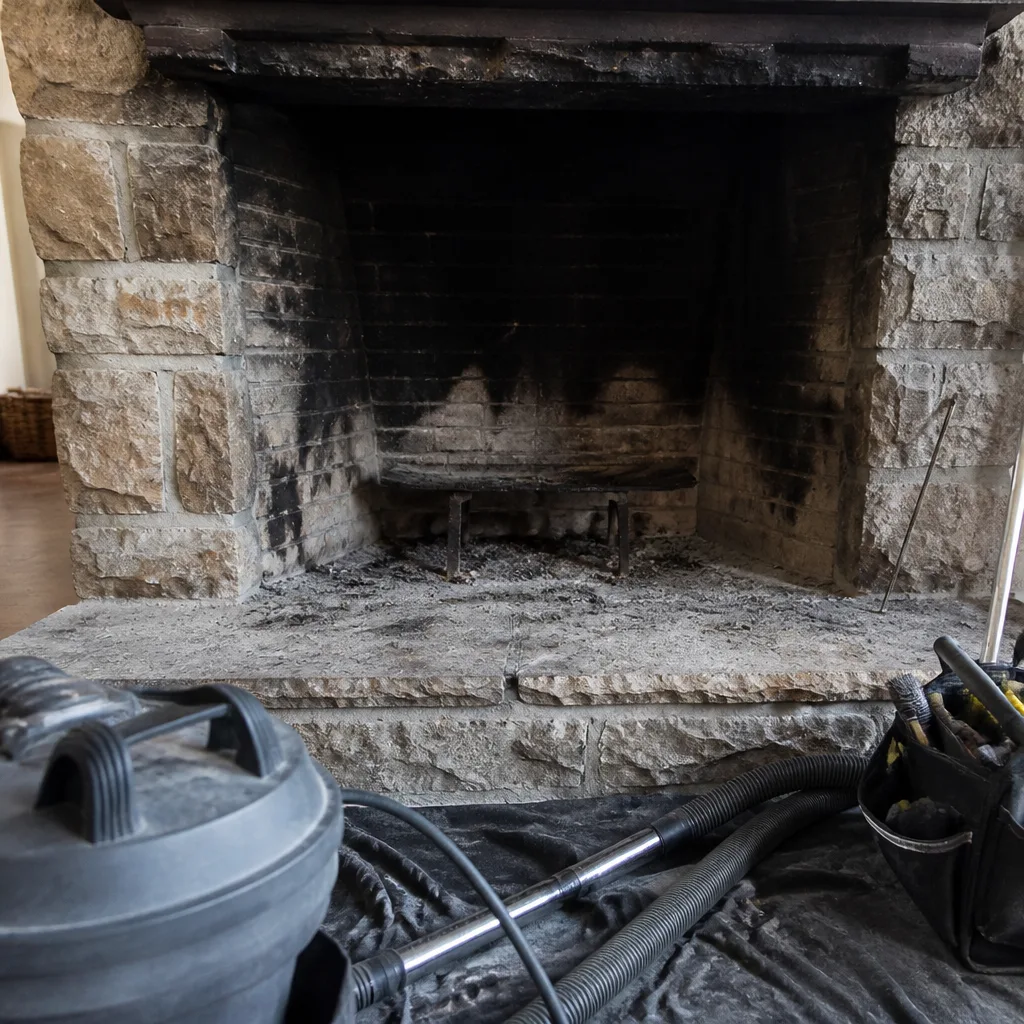
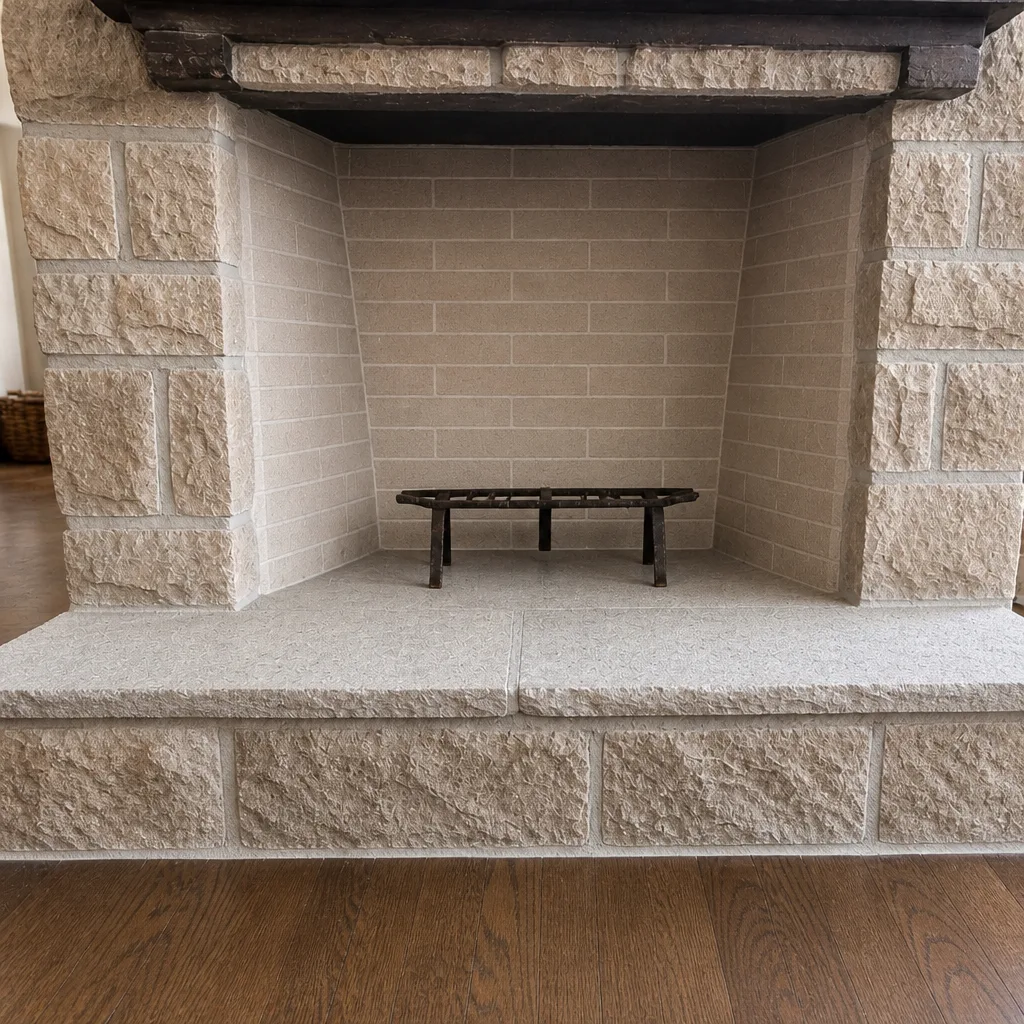
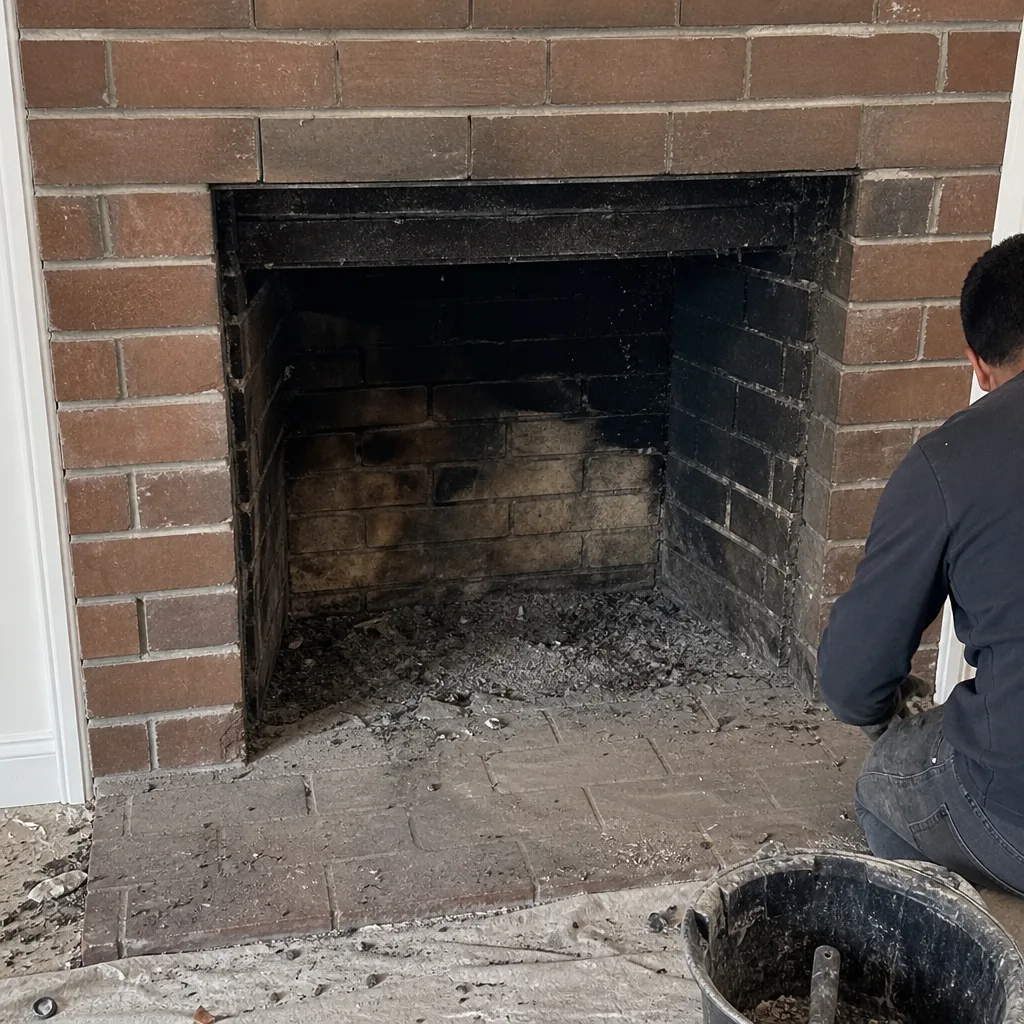
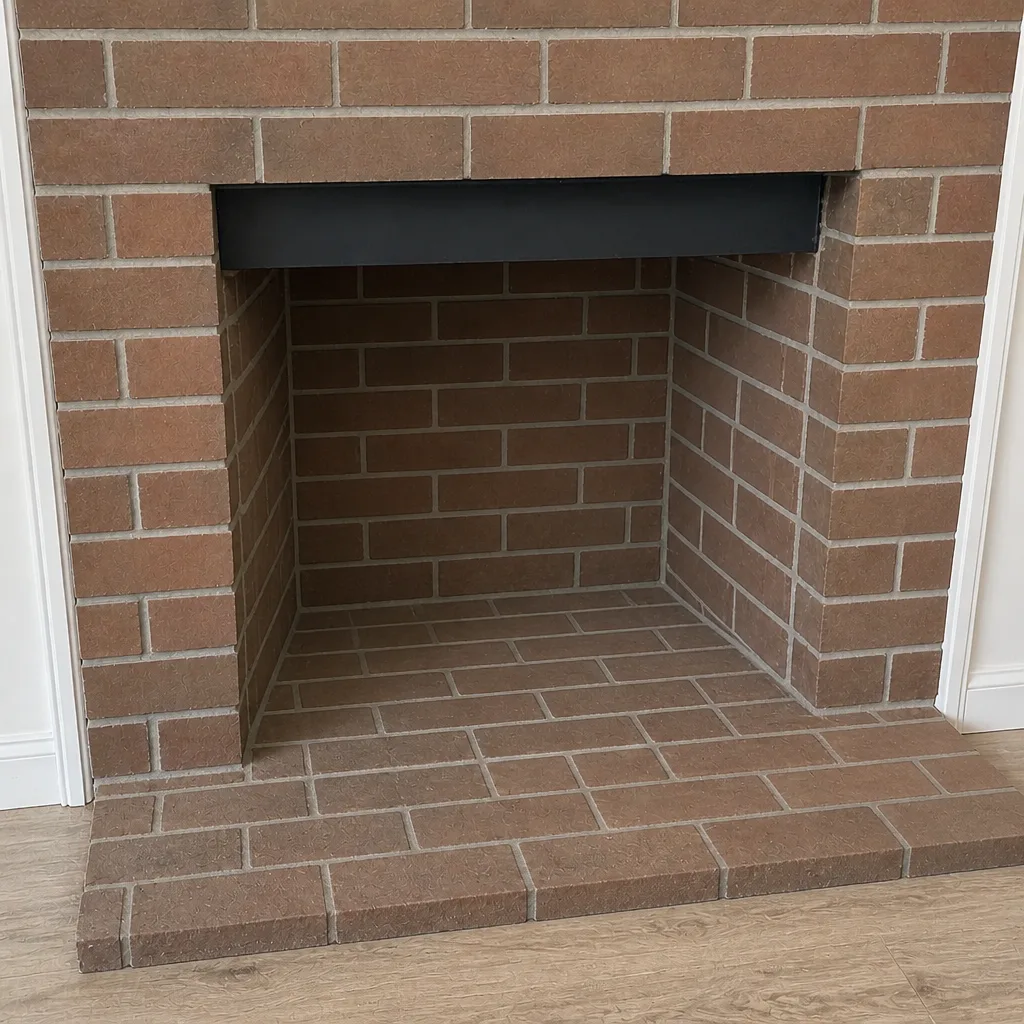
See the difference
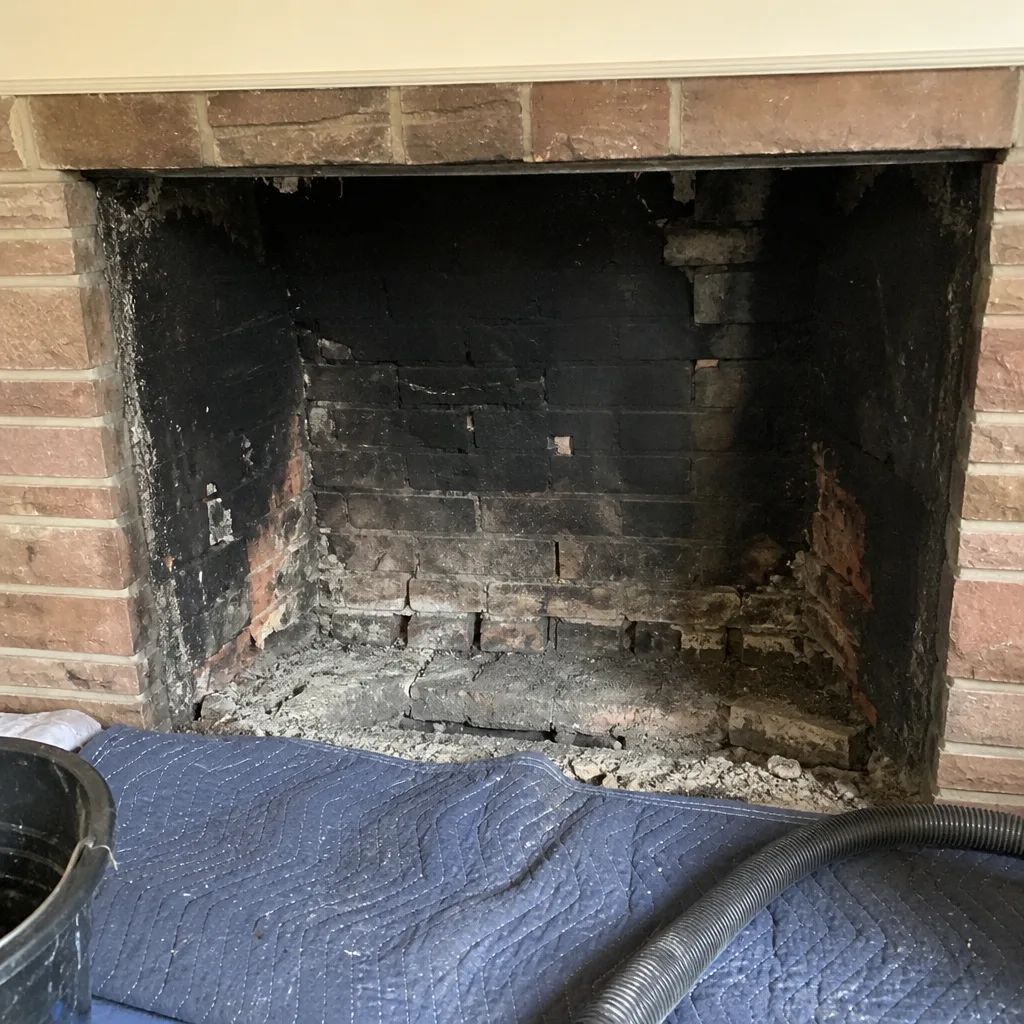 Before
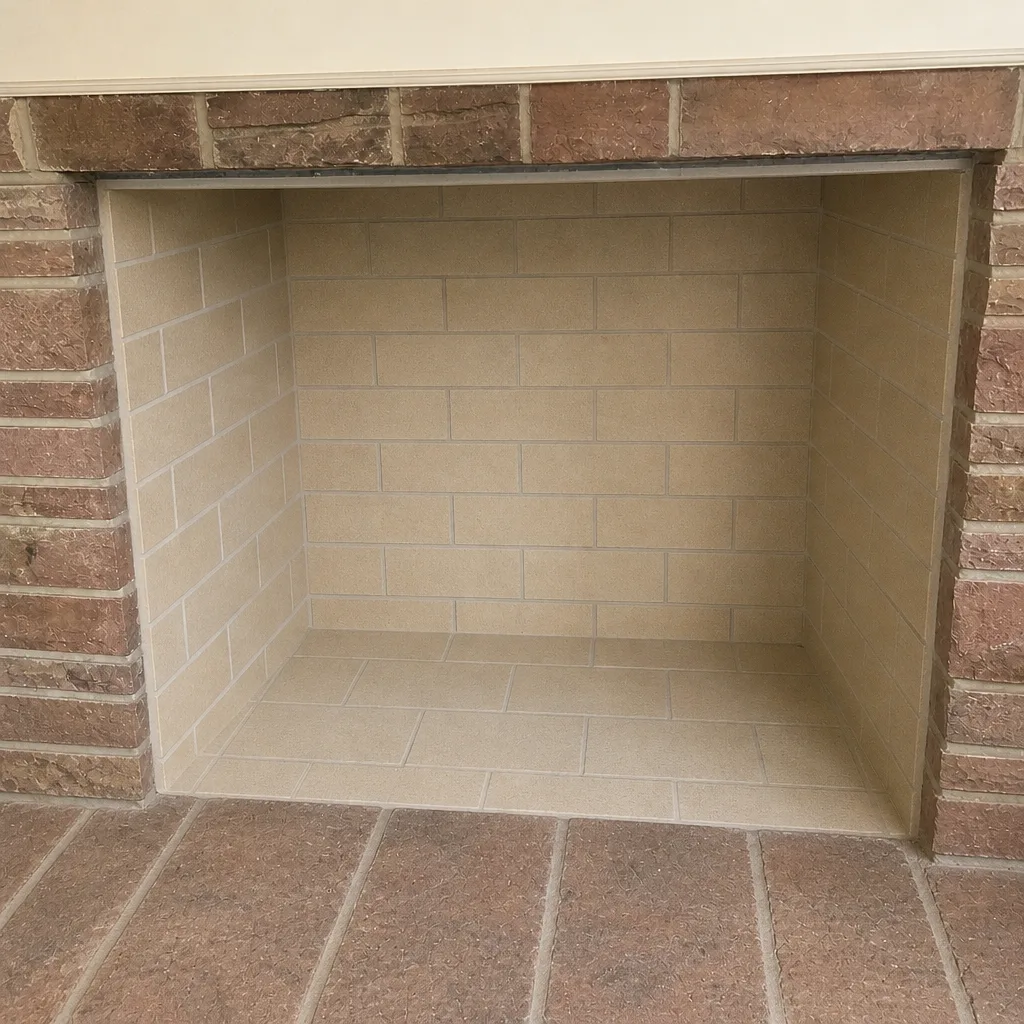 After
 Before
 After
 Before
 After
When to Call a Professional
Call a professional whenever the question involves the flue liner, the crown, the flashing, or a firebox that’s more than surface damage, because those are the areas where the permit question, the safety question, and the insurance question all meet. High-tension components aren’t the issue on a chimney, but a cracked flue liner is a genuine fire and carbon monoxide risk, and a damaged crown or flashing means water is already finding a path into the structure. A chimney with no cap, a firebox with loose or crumbling firebrick, a liner with visible cracks, or a smoke smell that appears inside the home when the fireplace isn’t burning are all reasons to book an inspection before burning season. Chimney Sweep Pacific Palisades offers free estimates in Pacific Palisades – call (855) 531-2802. We answer 24/7. Fast dispatch from 7am to 7pm, Sunday through Friday.
Frequently Asked Questions
A standard chimney sweep in Pacific Palisades typically runs in the same general range as a routine cleaning across the region, and the written estimate you receive sets the final price for the scope. The estimate is free, and it covers the cleaning and the visual condition check in the same visit. Call (855) 531-2802 for an exact quote.
Yes. Flue liner replacement is an alteration to the chimney system and requires a permit in Los Angeles County, and the finished work is subject to inspection under California Building Code Section R1001 and NFPA 211. The DuraFlex liner system we install is the professional-grade flue product the inspection is meant to confirm. Call (855) 531-2802 if you want the permit question answered for your specific chimney.
Only if the camera inspection shows the existing liner has cracked, spalled, or missing sections. A surface resurfacing with HeatShield is the right answer when the flue structure is intact enough to take it, and a full reline is the right answer when it isn’t. Call (855) 531-2802 and ask for the camera evidence before you authorize anything.
Sweep a wood-burning chimney once a year, and inspect it once a year, because the inspection is what catches liner and crown problems between cleanings. A fireplace used more heavily may need more frequent checks, and a chimney with no history of inspection should be booked for a Level 2 inspection first. Call (855) 531-2802 to schedule.
Soot and creosote accumulate in the flue, and a liner that’s cracking goes unnoticed until it fails, which is a fire and carbon monoxide risk you can’t see from the hearth. Water entering a failed crown adds to the damage inside the flue, and unpermitted liner work that’s later discovered can cost more to correct than the permit ever would have. Call (855) 531-2802 for a diagnostic visit; nothing is recommended without photo evidence you can see for yourself.
Yes, if it’s a Level 2 report with the property address, inspector credential and date, camera documentation of the flue, condition notes for each component, and recommendations ranked by urgency. A cleaning receipt won’t do it. Book an inspection independent of a cleaning by calling (855) 531-2802; estimates are free.
The Bottom Line
Cleaning and inspection don’t need a permit in Pacific Palisades; liner replacement, structural masonry repair, crown reconstruction, flashing replacement, and new appliance installation do. California Building Code Section R1001 and NFPA 211 define the standard, LA County amends it locally, and the fire rebuild zone adds oversight without waiving the requirement. Ask for the permit number in writing before work starts, match the scope to the permit, and keep the final sign-off, because it’s your proof for the insurer and the future buyer. Every recommendation should come with camera evidence, and the written estimate sets the final price. Call (855) 531-2802. We answer 24/7. Fast dispatch from 7am to 7pm, Sunday through Friday.
Written by the team at Chimney Sweep Pacific Palisades.