
Last updated November 22, 2026
 Sweep & inspection
 Caps & crowns
 Flue relining
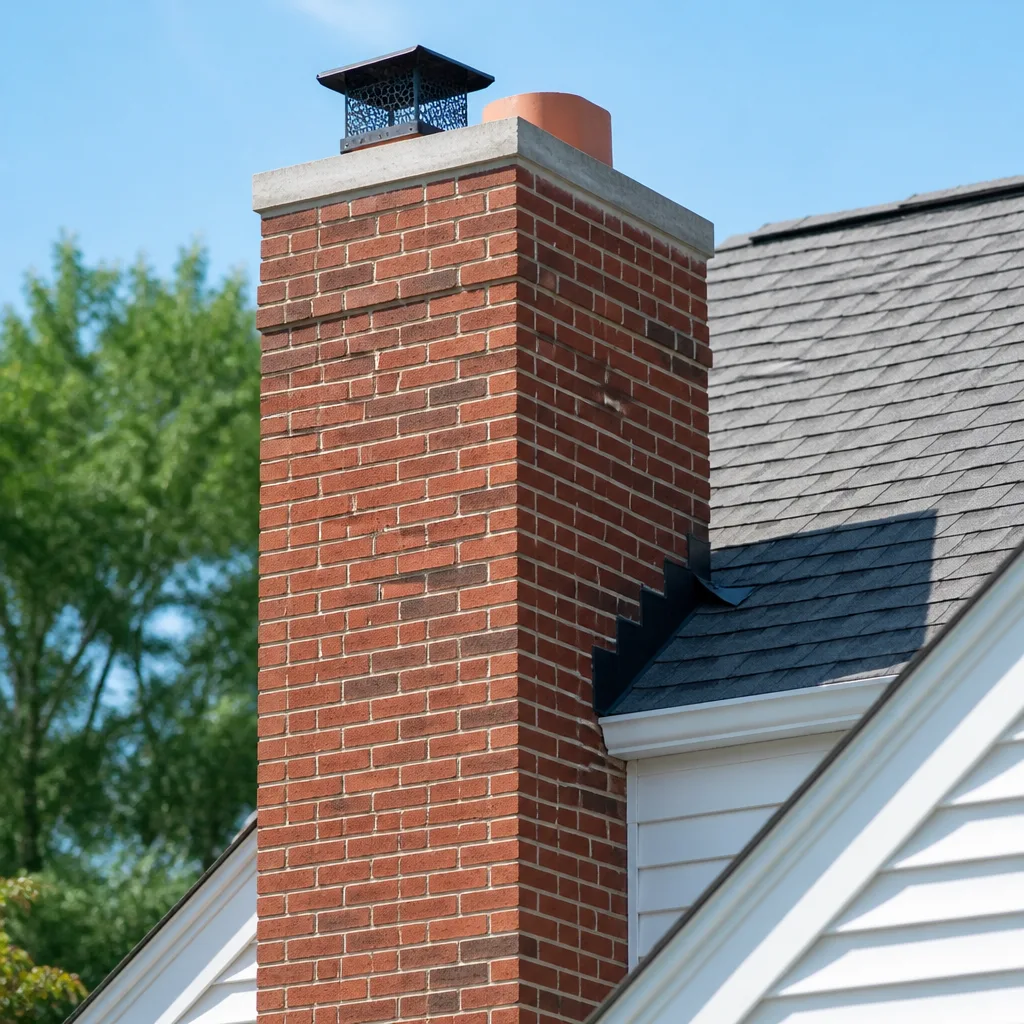 Masonry repair
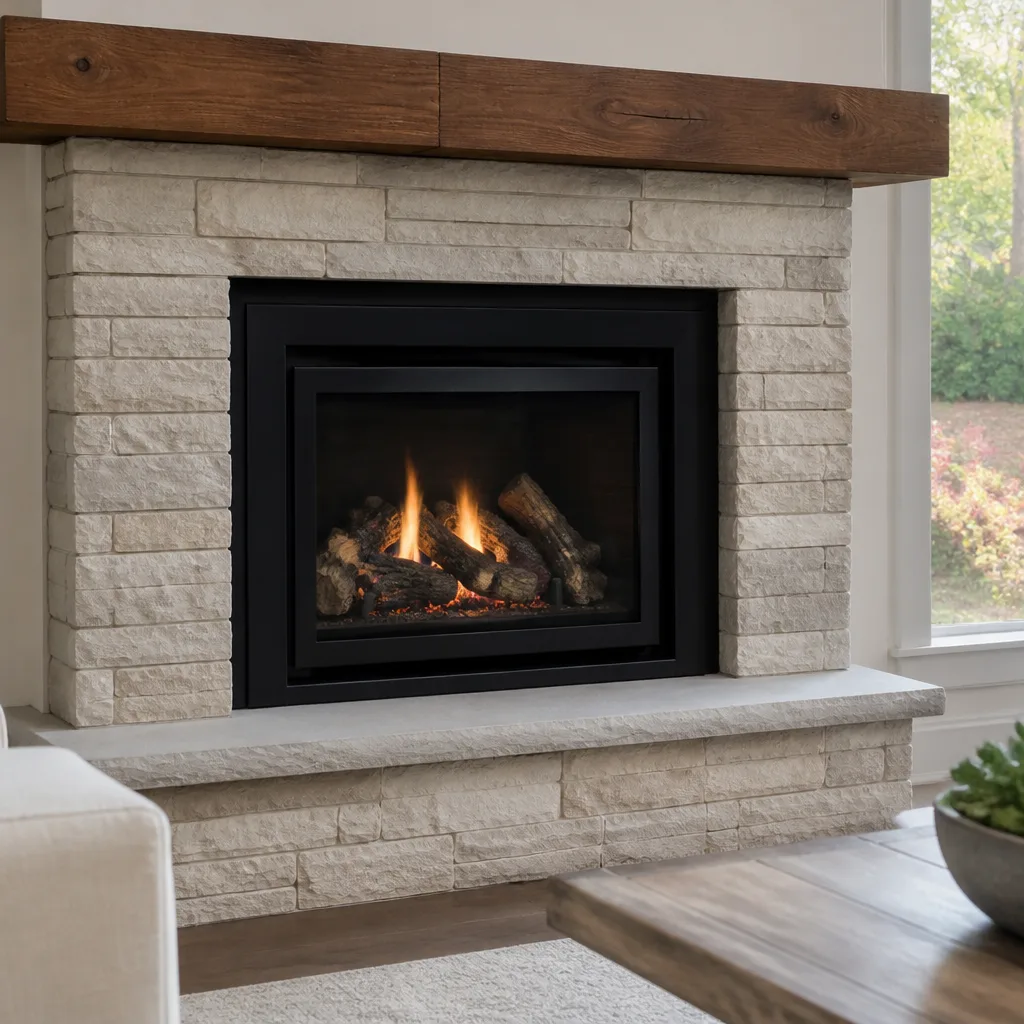 Gas fireplace service
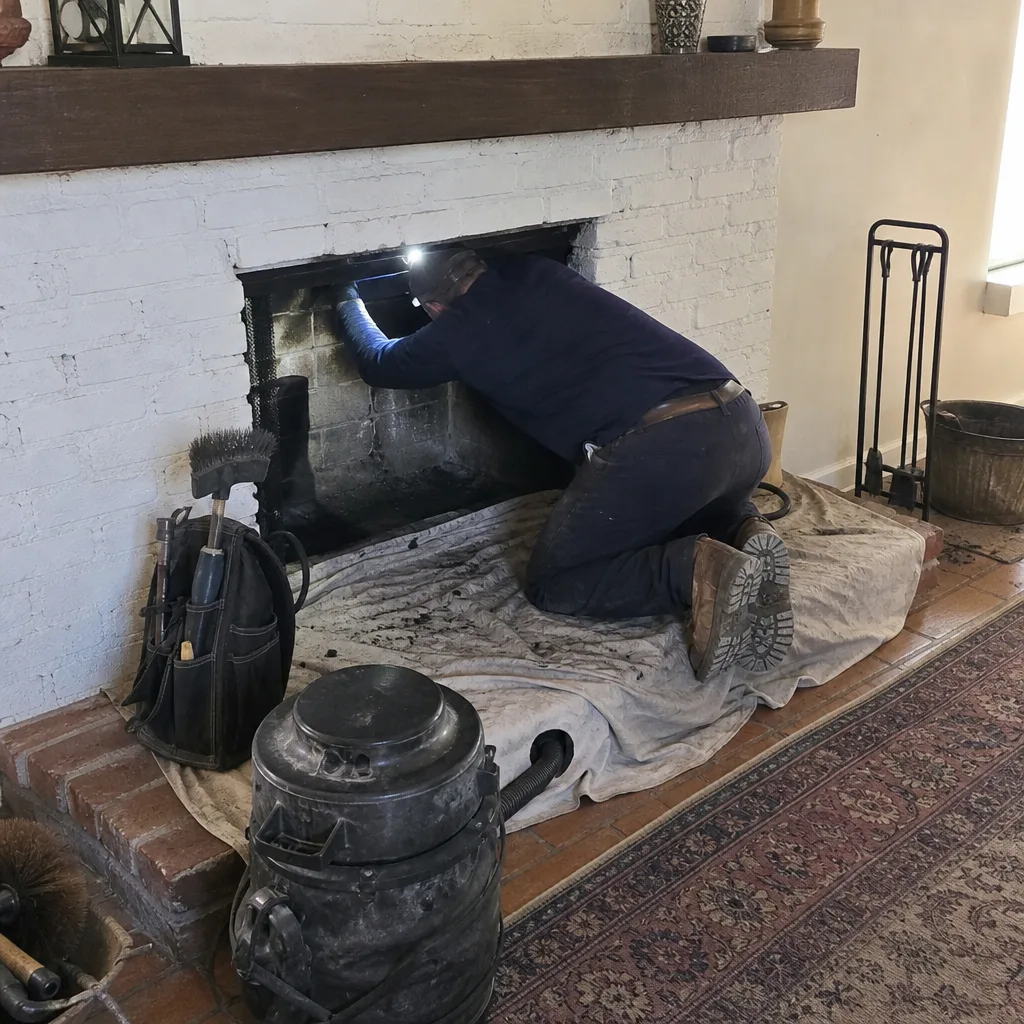
Level 1 sweep and inspection to the NFPA 211 annual standard - flue, crown, cap, and flashing checked and photographed
Chimney sweep logs do not sweep chimneys. They loosen some creosote - which then falls where a brush and vacuum still have to collect it.
Chimney Cleaning Cost Breakdown: The Pacific Palisades Homeowner’s Reference for 2026
A $99 chimney sweep special almost always leads to a $1,200 estimate on the same visit. Not because sweeps are dishonest, but because a below-cost entry price forces the technician to generate revenue from add-ons. That incentive structure rarely serves the homeowner. In Pacific Palisades, where canyon lots, mature housing stock and a post-fire rebuild market all shape what a chimney job really involves, the gap between an advertised price and a fair price is wider than most homeowners expect. This guide breaks down real 2026 cost ranges, separates legitimate cost drivers from inflated add-ons, and gives you a framework to read a quote line by line before you sign it.
Quick Answer
A standard chimney sweep with a Level 1 inspection in Pacific Palisades typically costs $225 – $400 for a single flue in 2026. A Level 2 camera inspection runs $375 – $650. Liner repair with HeatShield ceramic resurfacing, when the flue qualifies, runs $1,400 – $2,800, while a full DuraFlex liner replacement runs $3,200 – $7,500 depending on flue length, accessibility and whether the crown needs rebuilding. The written estimate always sets the final price.
Styles & brands we work with
- Sweep & inspection
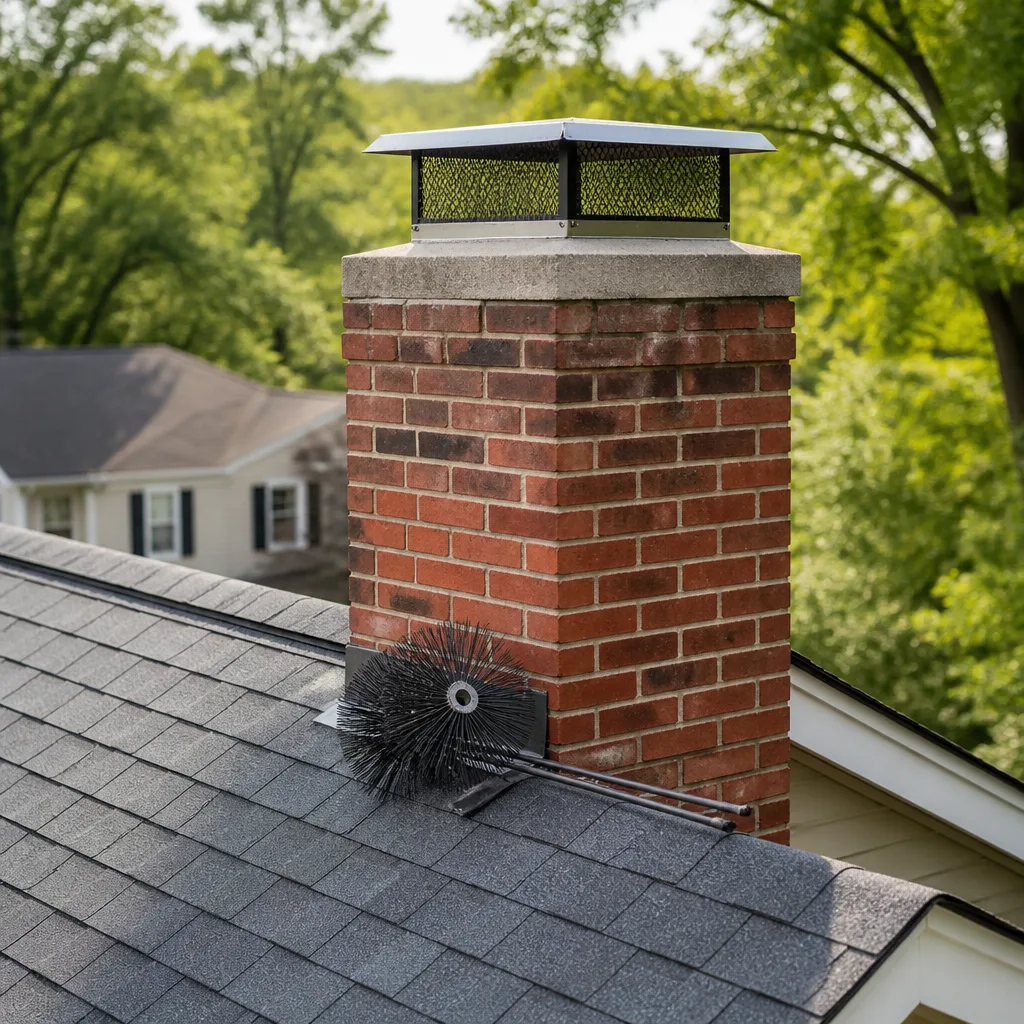
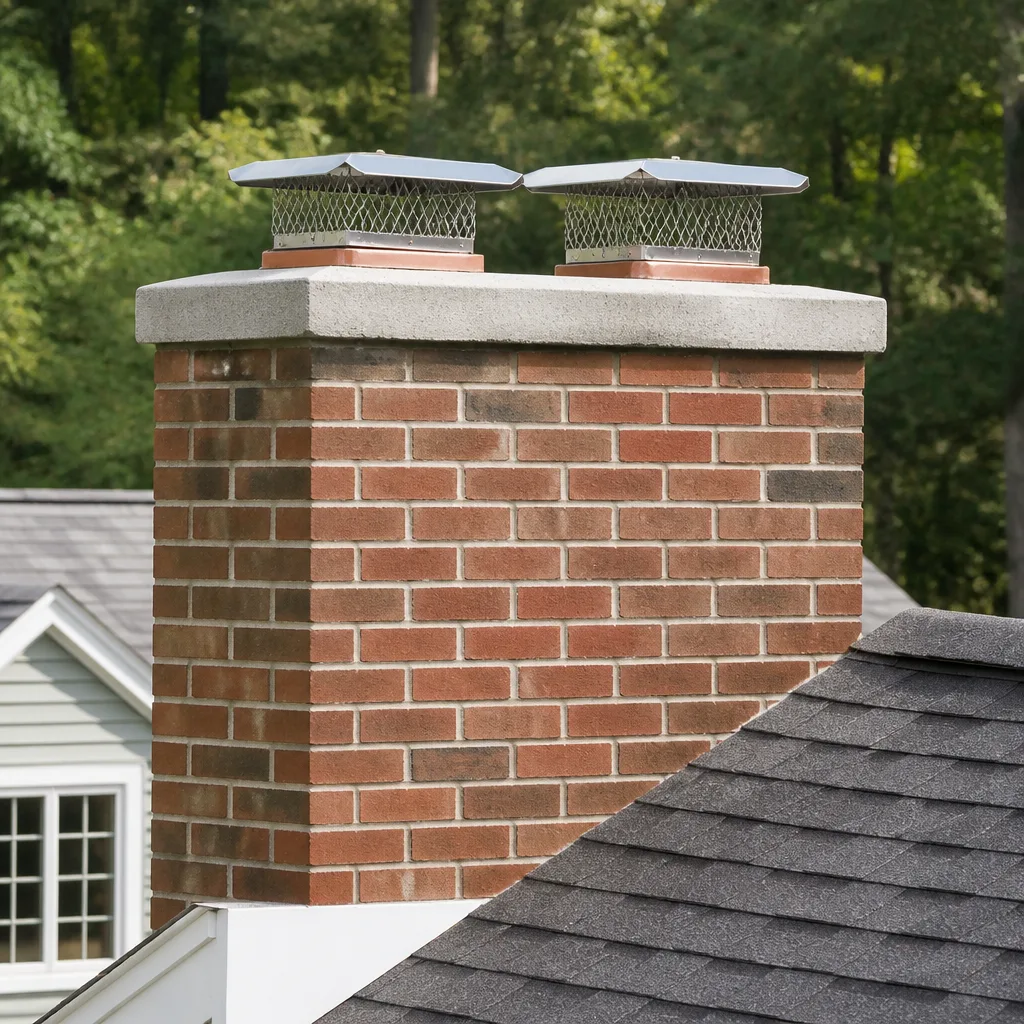
- Caps & crowns
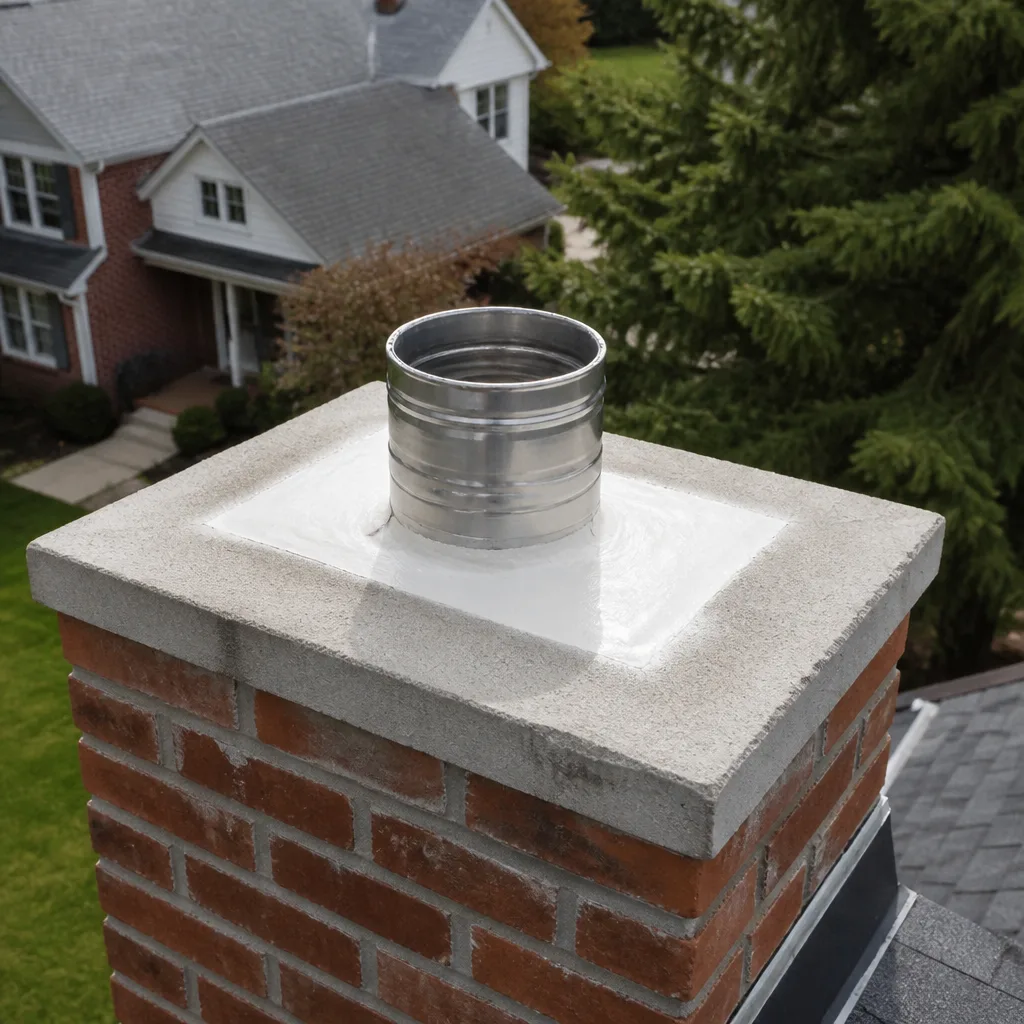
- Flue relining
- Masonry repair
- Gas fireplace service
Table of Contents
- What does a chimney sweep actually cost in Pacific Palisades?
- Why a Level 2 camera inspection is a separate line item
- Liner repair vs. full replacement: the real cost gap
- What legitimately drives your price up in Pacific Palisades
- Component benchmarks: caps, dampers, crowns
- How to read a repair estimate line by line
- Why the cheapest quote is the highest-risk option
- What a fair price for full-system work looks like
What does a chimney sweep actually cost in Pacific Palisades?
A chimney sweep in Pacific Palisades typically costs $225 – $400 for a single flue with a Level 1 inspection included, and $100 – $175 for each additional flue. That’s the honest range. Anything advertised well below it is a lead-generation price, and the difference gets recovered elsewhere on the visit. Our technicians have up to 11 years of experience, and in that time the one thing that hasn’t changed is this: how you get your fireplace cleaned matters far less than what the technician is trained to find while they’re there.
Here’s what a fair sweep price includes:
- A full visual check of the firebox, damper, smoke chamber, flue and cap
- Removal of creosote and soot from the flue using professional brushes
- A check of the chimney’s exterior at ground level, including the crown
- A written record of what the technician found, with photos
- A clear, separate recommendation for anything that needs repair
What it doesn’t include is a repair. A sweep is a maintenance service. It should stand alone on the invoice, and you should be able to walk away from the appointment with a clean chimney and no other commitment. If the sweep price is being used as a door to a same-visit repair sale, you’re paying for the sales model, not the cleaning.
In Pacific Palisades specifically, the sweep price is pushed slightly above the regional average for three reasons: access (canyon lots often put the chimney at an awkward removal angle), a high concentration of older fireplaces with varied flue geometries, and the market’s post-rebuild demand. None of those are inflated charges; they’re real labor differences. For a full picture of how we handle the cleaning side, see our Chimney Sweep Pacific Palisades page.
Why a Level 2 camera inspection is a separate line item
A Level 2 camera inspection in Pacific Palisades typically costs $375 – $650, and it is a different service from a sweep. This is the single most misunderstood line on a chimney invoice, and it’s where most of the “inspection as an upsell” confusion begins. A Level 1 inspection is a visual check done as part of the sweep. A Level 2 inspection is a video scan of the interior flue walls, smoke chamber and any offsets, with a written report and photos you keep.
Think of it this way: a Level 1 answers “is anything obviously wrong?” A Level 2 answers “what is the interior of the flue actually doing?” Those are different questions. If your home is older, if you’ve had a chimney fire, if you’re buying or selling, or if the flue has never been scoped, the camera inspection is the one that produces usable answers. We treat it as a standalone diagnostic service and will book it without attaching a cleaning appointment to it, because sometimes the honest answer is “your flue is fine, we’ll see you next season.”
What a Level 2 typically includes:
- Camera scan of the full interior flue from firebox to cap
- Verification of flue tile integrity and joint alignment
- A check of the smoke chamber and damper mechanism
- Photo documentation of every finding, shared with you on the spot
- A written report with recommended next steps, ranked by urgency
That last point matters. A professional inspection ends with findings, not a signed work order. If the technician can’t show you the photo of a cracked tile or an offset joint before recommending a repair, you’re being sold to, not diagnosed. For our own inspection process, see the details on our chimney sweep service page and ask specifically what a chimney sweep visit includes before booking.
Liner repair vs. full replacement: the real cost gap
Liner work is where estimates in Pacific Palisades vary most, and where the highest confusion lives. A liner repair using HeatShield ceramic resurfacing, when the flue qualifies, typically runs $1,400 – $2,800. A full DuraFlex flexible liner replacement typically runs $3,200 – $7,500. The gap is real, and so is the reason for it: HeatShield rebuilds the existing flue’s interior surface when the clay is intact but worn, while DuraFlex replaces the flue path with a new continuous stainless system.
Here’s the decision framework we use:
- HeatShield applies when the original flue is structurally sound, the defects are surface-level cracking or joint gaps, and the flue geometry allows proper application. It’s a non-invasive repair.
- Full DuraFlex relining applies when the flue has failed sections, significant offsets, is undersized for the appliance, or has sustained damage that resurfacing can’t bridge. This is a professional-grade flexible system, not a hardware-store insert.
- Neither applies if the flue is fine. That’s the outcome we’re always happiest to report, and it’s more common than the market would have you believe.
A homeowner in Pacific Palisades weighing these options should ask three questions of any liner quote: (1) do the photos show the failure, (2) does the proposed material match professional-grade specification, and (3) if the quoted material is HeatShield, is the technician HeatShield-certified? That third question matters because a misapplied ceramic resurfacing fails silently, and you won’t know until the next inspection. HeatShield-certified application is the difference between a repair and a placeholder.
Also worth knowing: some quotes in Pacific Palisades are inflated on the premise that the post-fire rebuild market can absorb it. A full reline with professional-grade DuraFlex materials should be priced against real material costs, real labor, and the actual condition of your flue. Ask for the line-item breakdown of flue length, material specification and labor, and see whether the numbers hold together.
What legitimately drives your price up in Pacific Palisades
Five cost factors are real in Pacific Palisades, and none of them are invented to pad a quote. If a technician can’t explain which of these applies to your job, that’s the problem, not the price.
1. Flue height and roof access. A tall flue on a steep roof is more labor and requires more safety setup. A flue on a home with a low, walkable roofline is a shorter job. Height differences of ten feet or more can move the job by a meaningful margin on the same type of repair.
2. Liner condition. A sound, unlined clay flue from the 1960s and a modern double-wall stainless liner are not the same job. The older and more irregular the interior, the more time the sweep and the inspection add, and the more likely the repair quote grows. Condition drives cost far more than advertised price tiers suggest.
3. Access on canyon lots. Pacific Palisades has a lot of properties on graded canyon terrain where the natural path to the chimney is blocked by slope, vegetation or outbuildings. That means equipment staging, careful setup and slower work. A chimney that takes five minutes to reach on flat ground can take twenty on a canyon lot. It’s a legitimate labor difference.
4. Post-fire damage assessment fees. In a post-fire rebuild context, some inspections are being ordered specifically to document existing chimney condition, sometimes for insurance or rebuild purposes. Those assessments are a diagnostic service, not a maintenance visit, and they’re priced as such. They also often require photos and a written report, which adds time to the visit.
5. Component condition. A cap that’s missing, a damper that’s seized, a crown that’s cracked. Each one shows up on the estimate as its own line, and the total grows. Read the estimate with each component in mind, and separate the sweep from the repair from the component work.
One factor that does not legitimately drive cost in Pacific Palisades is “emergency pricing.” There is no premium for a sweep booked for Sunday. The price is set per job by the written estimate.
Component benchmarks: caps, dampers, crowns
Component costs are where a quote can be checked against reality. A few benchmarks in the Pacific Palisades market:
- Chimney cap installation (metal, professional-grade): $250 – $550 installed, depending on flue count and fit. A Gelco or Famco cap is a specific product with a known price range, not a hardware-store screen.
- Top-sealing damper installation: $450 – $900, depending on flue size and whether the smoke chamber needs attention.
- Crown repair (minor): $450 – $1,100. A small crack that’s sealed and monitored, not a full rebuild.
- Crown rebuild (full): $1,200 – $2,800, depending on size, access and whether the crown requires structural reinforcement.
- Firebox repair (isolated): $900 – $2,200, depending on the extent of the firebrick work.
The reason we name brands here is simple: professional-grade products have known price ranges. A Gelco chimney cap costs more than a mass-market cap, and it’s designed to last longer. If a quote specifies a professional-grade cap at a price so low that it can’t be that product, it isn’t. If a quote specifies a no-name cap at a premium price, that’s a markup, and you’re allowed to ask what the material actually is. When a Pacific Palisades homeowner asks us to explain the materials specified on a repair estimate, we want to be able to point at DuraFlex, HeatShield, Gelco, Olympia Chimney, Famco or Copperfield and say exactly what they are. If the technician can’t, ask again. For our own cap and crown work, see chimney cap & crown.
The lens we recommend to homeowners: every material line on the estimate should be a name the technician can explain and a product a professional would install. Not a piece from the closest home center. That’s the whole difference between a repair built to last and a repair patched to pass.
How to read a repair estimate line by line
A repair estimate in Pacific Palisades should be readable in about five minutes by a homeowner who’s never seen one before. If it isn’t, that’s a signal. Here’s the framework we use when we write one, and it doubles as a checklist for reading someone else’s.
- Find the diagnosis. The first line should state what condition was found and how it was found. “Cracked crown at north corner, photo 3” is a diagnosis. “Recommend crown repair” is not.
- Check the inspection source. Every repair line should trace back to a specific finding, either from the Level 1 or Level 2 inspection. If a repair appears without a corresponding finding, ask which photo shows it.
- Read the material line separately from the labor line. A quote that lumps them together is harder to verify, and often hides where the markup is.
- Look for the urgency ranking. A professional estimate tells you which items are “safety-critical,” which are “fix this season,” and which are “monitor.” If everything is marked urgent, nothing is ranked.
- Check for the component brand name. DuraFlex, HeatShield, Gelco, Olympia Chimney, Famco, Copperfield. The specific product matters, and the price should match the product.
- Look for the “can wait” column. A good estimate will literally tell you what can safely wait. If it doesn’t, ask.
The whole point of the framework is to replace trust with verification. You should be able to hold the estimate, the photos and the inspection report and say, on paper, “here is what was found, here is what was recommended, and here is what the recommendation is based on.” If a line doesn’t pass that test, don’t sign until it does. If a quote arrives with a same-visit signature pressure, walk away and book a separate inspection elsewhere.
Fireplace and firebox repair lines deserve closer scrutiny because the firebox is often where cosmetic language creeps into a structural recommendation. Read those lines against the photos, and ask specifically what condition each line addresses. For our own firebox work, see fireplace repair.
Why the cheapest quote is the highest-risk option
In a Pacific Palisades post-rebuild market, the cheapest quote is the highest-risk option, and the reason is structural. When demand for chimney work rises, three kinds of contractors show up: the professional who’s booked out for weeks, the generalist handyman looking to add a service, and the lowball bidder who needs volume to stay afloat. The lowball bidder is the one with the most incentive to cut materials, skip the inspection, and disappear before the next inspection finds the problem. A repair that fails silently is more expensive than a repair that was fairly priced the first time.
The signals to watch for on a quote in Pacific Palisades:
- No named materials, or materials with no professional specification
- No separate inspection line, or an inspection included as a “free” add-on
- Repairs recommended before any photos were shown
- A quote that bundles sweep, inspection, liner and crown into a single number
- A quote that can’t tell you what the job looks like on your specific roof
The alternative isn’t the most expensive quote. It’s the quote you can verify. A fair quote names the product, cites the finding, prices the labor separately, and tells you what can wait.
What a fair price for full-system work looks like
A fair price for full-system work in Pacific Palisades is the price that shows up on the written estimate and holds up when you read it line by line. There is no single number, because a home with a cracked crown, a seized damper and an undersized flue is a different job than a home with a sound flue and a missing cap. What is consistent is the structure of a fair quote:
- Sweep and inspection are line-itemed, not rolled into a single “service” price
- Repairs are ranked: safety-critical, fix this season, monitor
- Materials are named with professional specification
- Labor is separated from materials
- The written estimate states the price, and the final price is confirmed in writing
- Nothing is recommended without camera or photo evidence you can see
The last item is the one that answers the real hesitation. If you’re worried about being told you need thousands of dollars of liner or masonry work you have no way to verify, the fix is simple: ask to see the photo of the crack, the joint gap, or the failed section. Every professional-grade recommendation has one. If the technician can show you, it’s a diagnosis. If they can’t, it’s a guess. And when the honest answer is “this can safely wait until next season,” a fair quote says so, even though it costs the contractor revenue today.
In a post-rebuild market, the fair price is also the price that survives the next inspection. Big-box substitutes and patched-up repairs fail in the second year, and you pay twice. Professional-grade materials installed by a trained technician are built to last, not patched to pass.
Common Mistakes to Avoid
- Booking a $99 sweep special. A below-cost entry price almost always requires the technician to generate revenue from add-ons. You end up paying for the sales model, not the cleaning. If a sweep price is well below the $225 – $400 Pacific Palisades range, ask what’s excluded.
- Skipping the Level 2 camera inspection on an older home. A Level 1 visual check can’t see interior flue wall damage. In Pacific Palisades homes with older clay flues, the camera inspection is the only way to know what the flue is actually doing. It’s a separate service for a reason.
- Accepting a repair quote with no photos. Every professional-grade recommendation should come with a photo you can look at. If the technician can’t show you the failure, don’t sign the repair order. Ask for the inspection first.
- Buying materials you can’t identify. A no-name cap at a professional price is a markup. A professional-grade cap at a suspiciously low price is a substitute. Ask for the product name and compare it against the price range for that product.
- Signing a same-visit repair estimate without an inspection report. An estimate written during the sweep, before a proper inspection, is a guess dressed up as a quote. Ask for the report and read it before you commit.
- Treating the cheapest quote as the safe option in a post-rebuild market. The cheapest quote is the one most likely to use big-box substitutes and skip the inspection. It’s also the quote most likely to fail before the next sweep.
- Waiting until the next burning season to inspect damage. In Pacific Palisades, chimney damage found in the fall gets done when demand is highest. If a sweep finds a legitimate issue in the off-season, schedule it then, not in October. You’ll have more options for scheduling and the work won’t be rushed.
See the difference
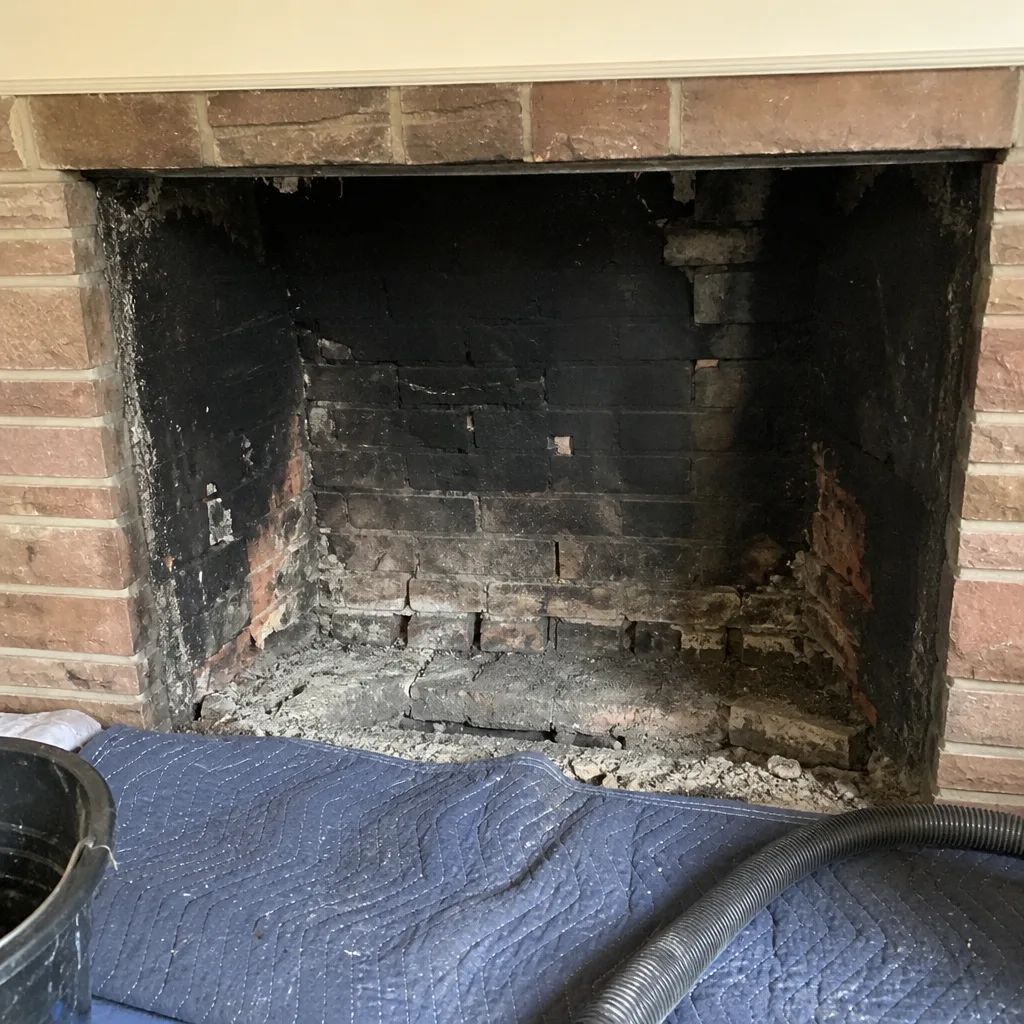 Before
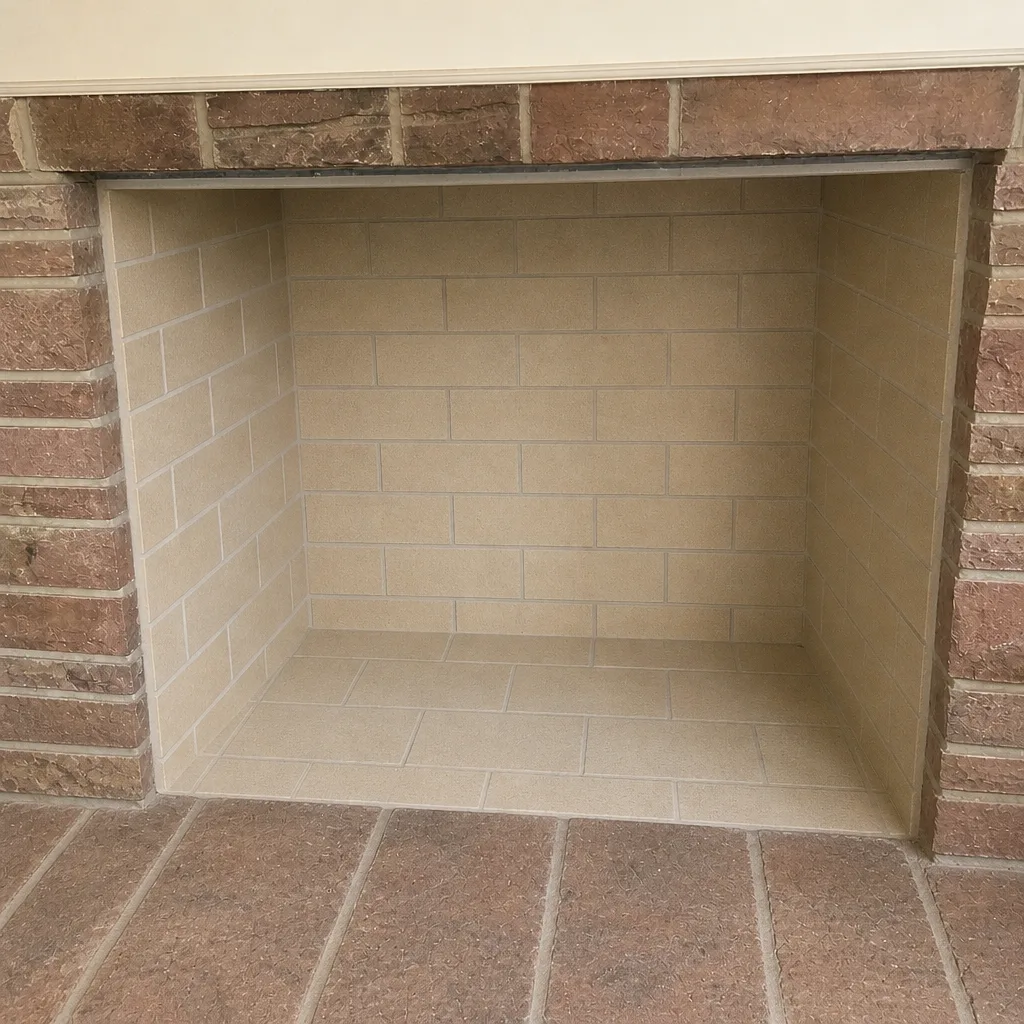 After
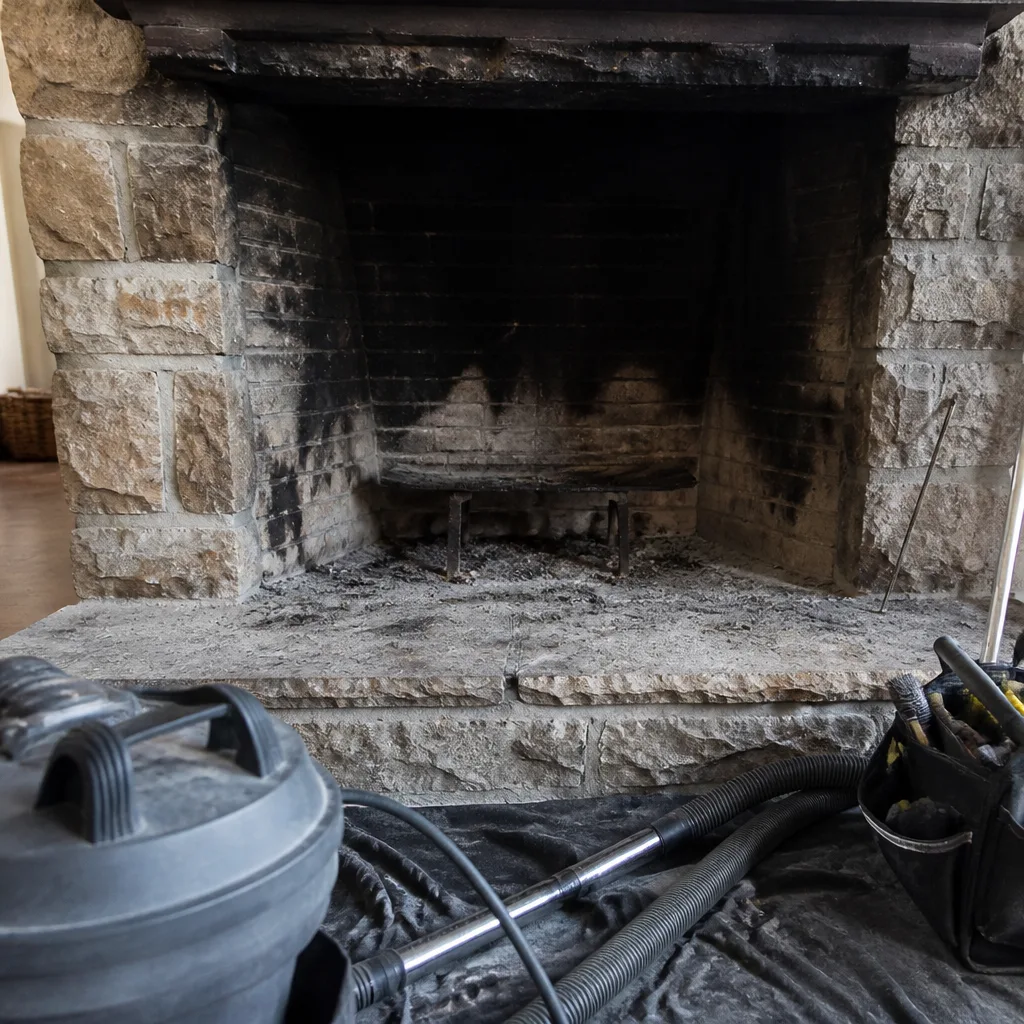 Before
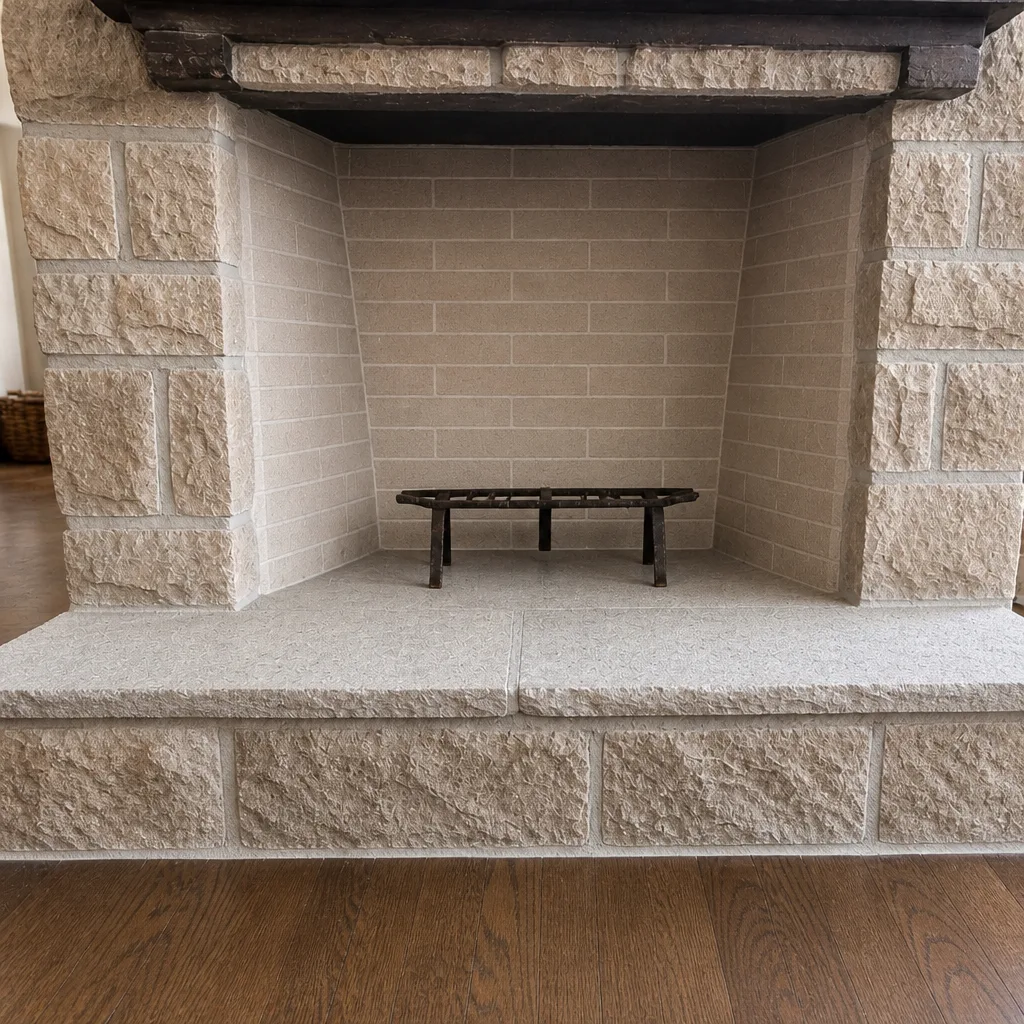 After
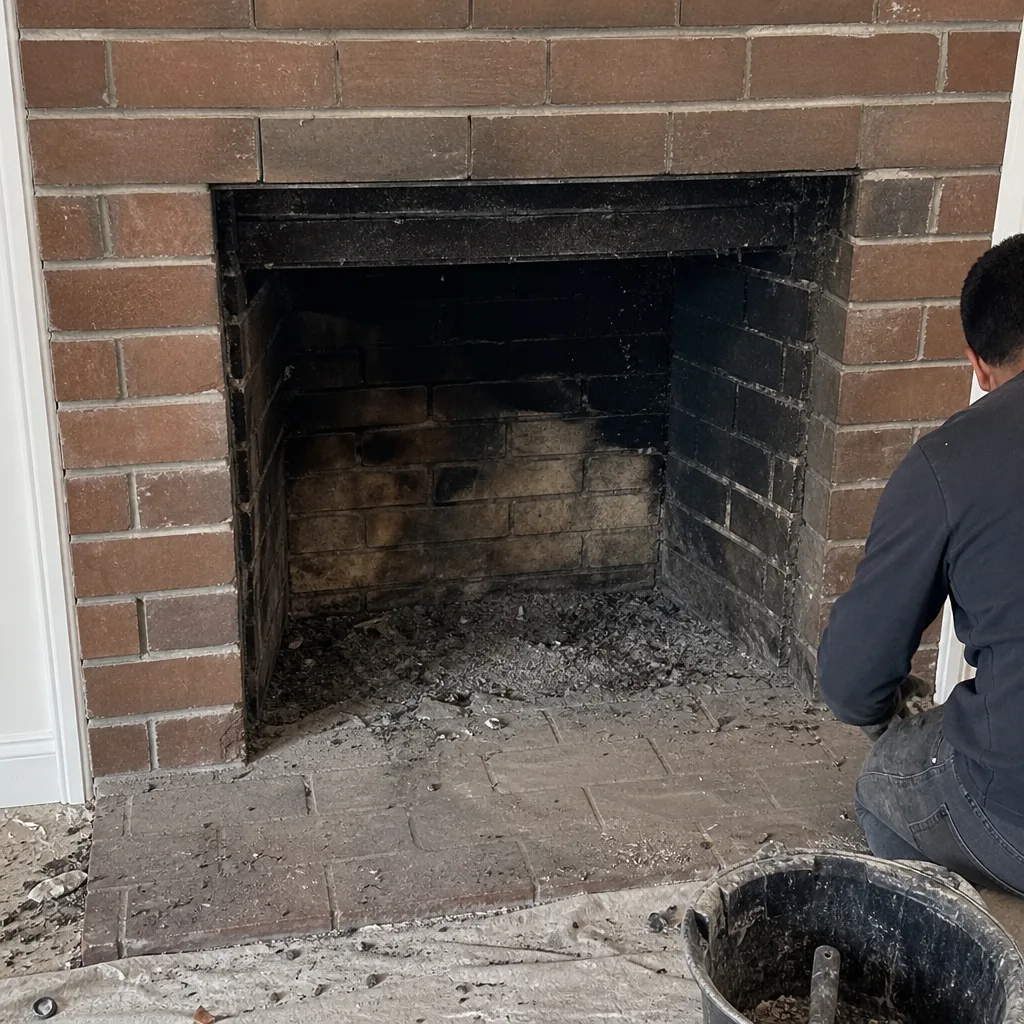 Before
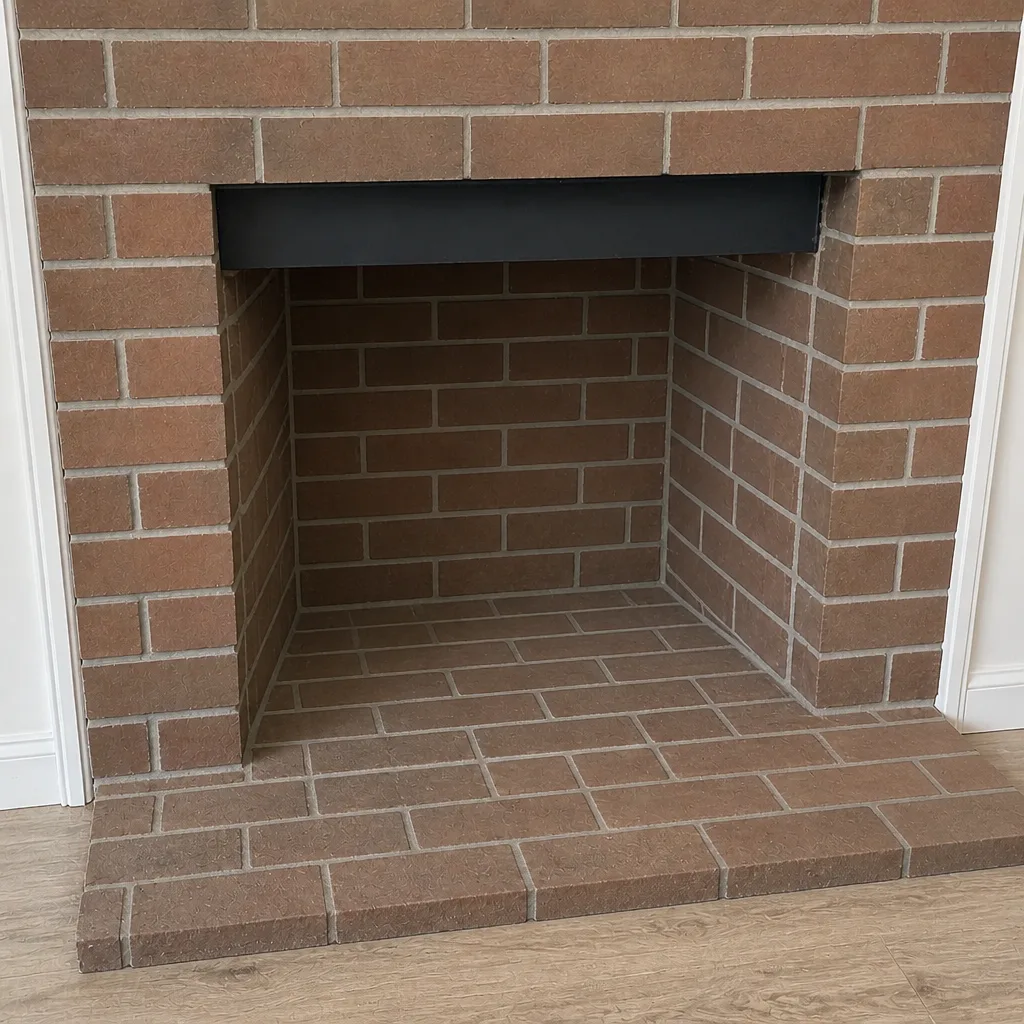 After
When to Call a Professional
Call a professional when the chimney needs a real diagnosis, not a quick clean. Specific situations:
- A chimney fire, however small, has happened since the last inspection. The interior may be damaged even when the fire was brief.
- The flue has never been scoped and the home is older than the last inspection record.
- You’re buying or selling a Pacific Palisades home and need the chimney documented.
- A repair was recommended but you want a second, photographic opinion.
- The sweep found damage and you want to know whether it’s HeatShield-level, DuraFlex-level, or can wait.
- The cap is missing, the crown is cracked, or the damper has seized.
- You’re rebuilding and need the chimney assessed on its own terms.
Chimney Sweep Pacific Palisades offers free estimates in Pacific Palisades. Call (855) 531-2802. We answer 24/7. Fast dispatch from 7am to 7pm, Sunday through Friday. The local professional we connect you with is licensed and insured as their state requires, and the written estimate sets the final price.
For our full chimney repair scope, including liner work, crown work and rebuilds, see how we handle it on our chimney sweep and chimney cap & crown pages. If the issue is inside the firebox, fireplace repair is the right starting point, and every one of those pages starts with a real inspection, not a repair pitch.
Frequently Asked Questions
A chimney sweep in Pacific Palisades typically costs $225 – $400 for a single flue with a Level 1 inspection included, and $100 – $175 for each additional flue. Anything advertised well below that range is a lead-generation price, and the difference usually shows up elsewhere on the visit. Call (855) 531-2802 for an exact quote. Estimates are free.
Sometimes, but not as often as quotes suggest. A new liner is warranted when the flue has failed sections, significant offsets, or is undersized for the appliance. When the original flue is structurally sound with surface-level wear, HeatShield ceramic resurfacing is often the better and less expensive repair. Ask to see the photos before deciding, and if the technician can’t show you the failure, get a second inspection. Call (855) 531-2802 for an exact quote.
Once a year for fireplaces in active use, and annually at minimum even for fireplaces that are used lightly, because creosote accumulation and structural wear both happen whether or not the fireplace is running. In Pacific Palisades, where many homes have older clay flues, the annual sweep is also the annual inspection. That’s how you catch a cracked crown before it becomes a rebuild. Call (855) 531-2802 with questions, or book the annual visit and let the inspection do the talking.
Creosote builds up in the flue and becomes a fire-load, and the flue interior stays uninspected for structural damage. The real risk is that a simple sweep next season is a bigger, more expensive repair, and the cost difference between a sweep today and a liner repair two years out is far bigger than the sweep ever would have been. That’s not a scare tactic; it’s why the annual sweep is standard. Call (855) 531-2802 if you’re overdue and want a starting point.
A Level 2 inspection is a camera scan of the interior flue with a written photo report, so it’s a different diagnostic service priced separately. In Pacific Palisades, a Level 2 typically runs $375 – $650, and it’s the only service that can see interior flue wall damage. The inspection can be booked without a cleaning appointment, and in many cases the honest finding is that the flue is fine. Call (855) 531-2802 to book a diagnostic-only visit.
Yes. A missing cap allows rain, debris and animals into the flue, and it’s the cheapest repair on the list. A professional-grade metal cap installed on a single flue in Pacific Palisades typically runs $250 – $550, depending on fit and flue count. That’s a small cost compared to the liner repair a missing cap can eventually cause. When the cap needs replacement, use a named product (Gelco or Famco, for example), not a hardware-store screen. Call (855) 531-2802 for an exact quote.
The Bottom Line
The Pacific Palisades chimney sweep price you see advertised online is rarely the price you pay, and that’s not because sweeps are dishonest. It’s because a below-cost entry price forces add-on sales. A fair quote in Pacific Palisades names the materials, cites the finding, prices the labor separately, and tells you what can safely wait. The cheapest quote in a post-rebuild market is the one most likely to use substitutes and skip the inspection. Insist on camera evidence, ask for professional-grade products (DuraFlex, HeatShield, Gelco, Olympia Chimney, Famco, Copperfield), read the estimate line by line, and book an inspection separately from a sweep when the situation calls for it. The written estimate sets the final price.
Contact
Whether you’re overdue for an annual sweep, weighing a liner repair against a full replacement, or need a diagnostic-only inspection before committing to anything, we can help. Call (855) 531-2802 for a free estimate. We answer 24/7. Fast dispatch from 7am to 7pm, Sunday through Friday. The written estimate sets the final price, and nothing is recommended without camera evidence you can see for yourself.
Written by the team at Chimney Sweep Pacific Palisades.