
Last updated November 22, 2026
 Sweep & inspection
 Caps & crowns
 Flue relining
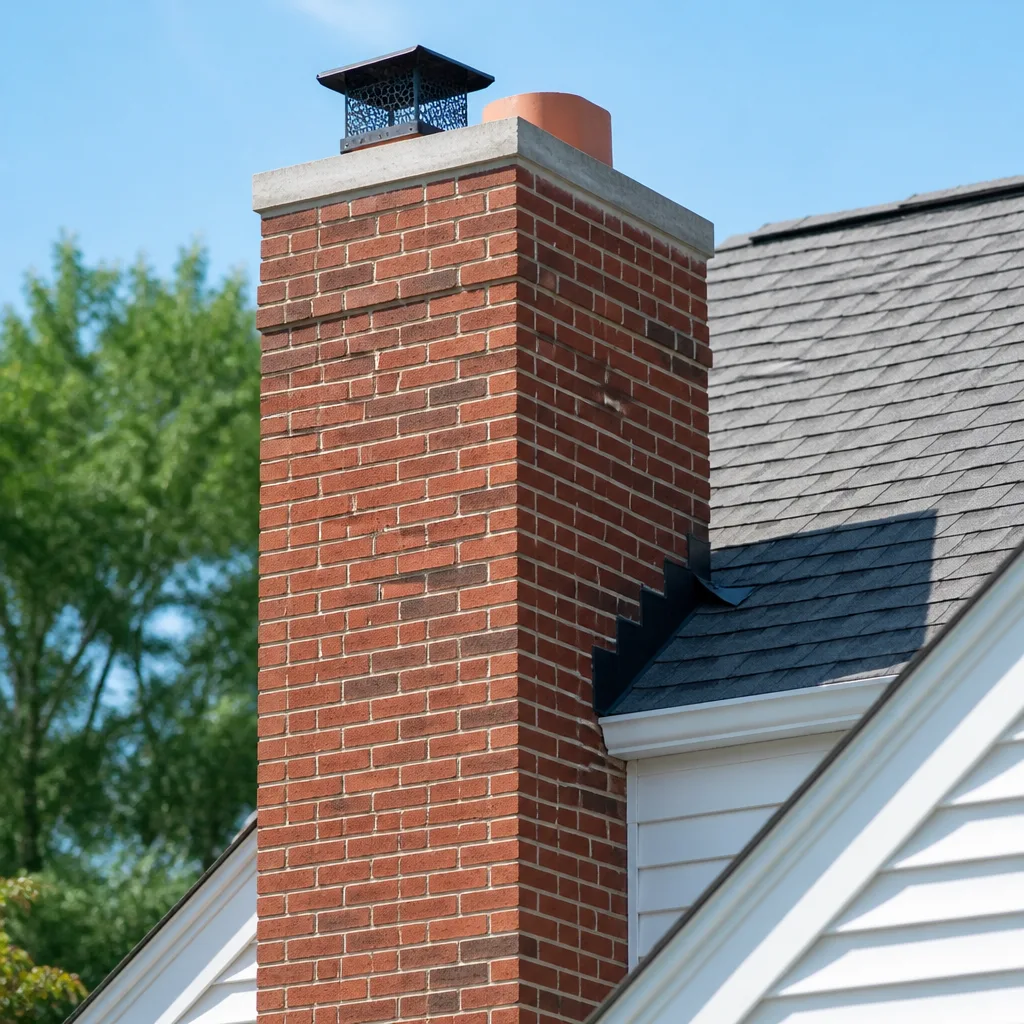 Masonry repair
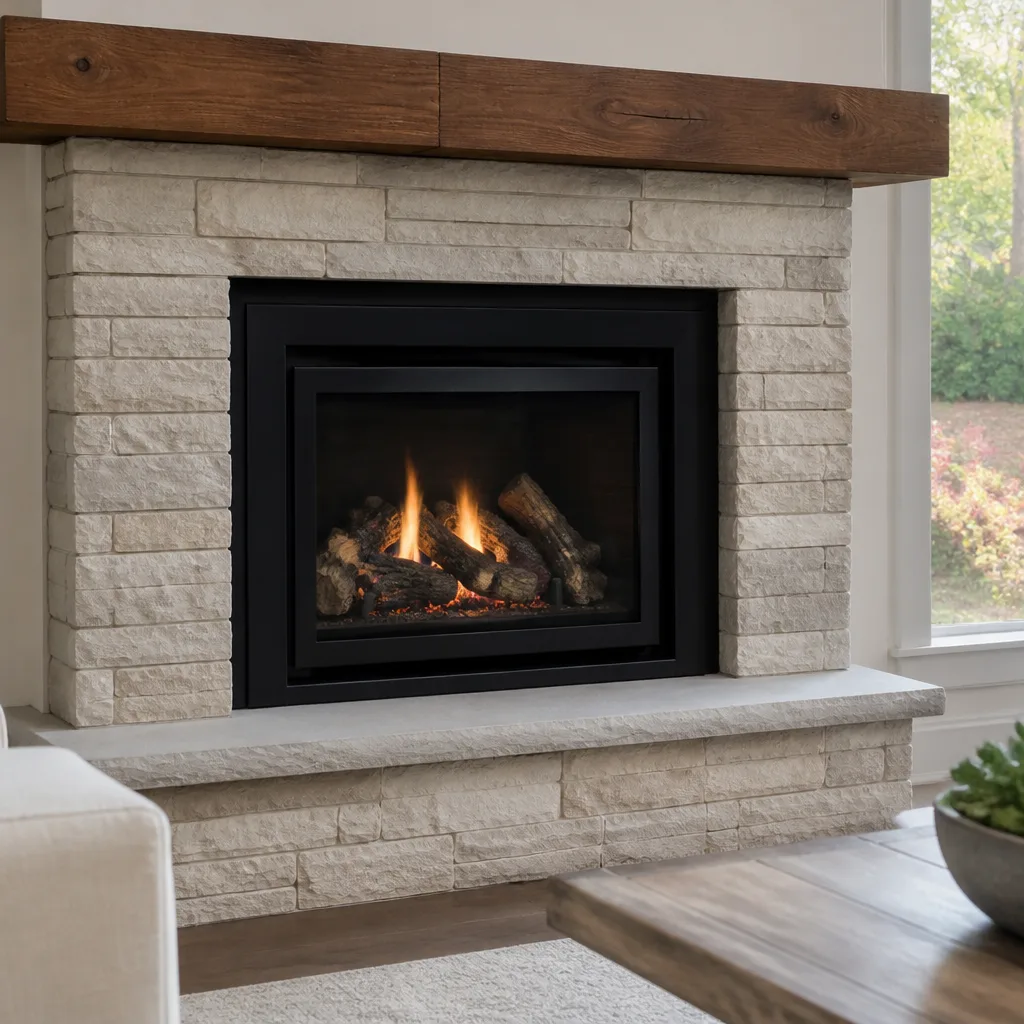 Gas fireplace service
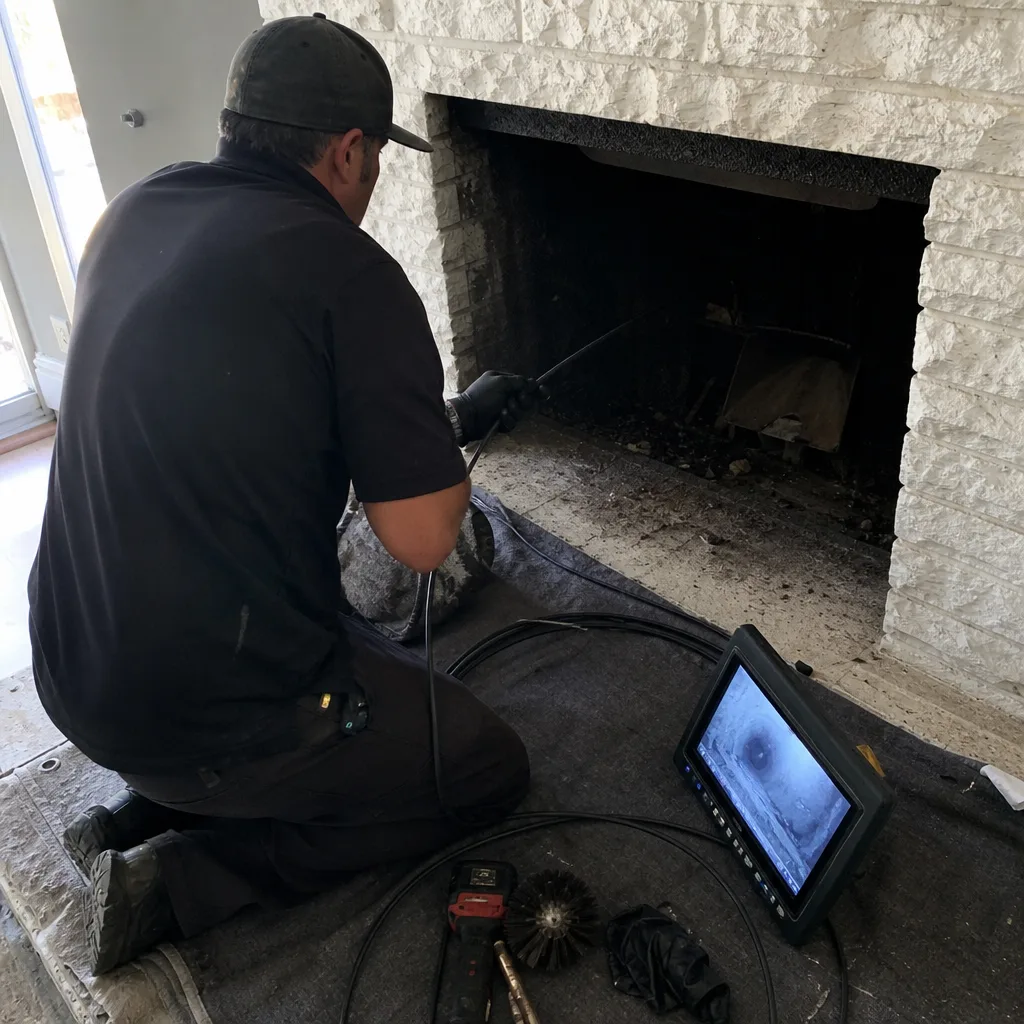
Level 1 sweep and inspection to the NFPA 211 annual standard - flue, crown, cap, and flashing checked and photographed
Chimney sweep logs do not sweep chimneys. They loosen some creosote - which then falls where a brush and vacuum still have to collect it.
The Complete Guide to Chimney Cleaning in Pacific Palisades
Most chimney fires we hear about in coastal Southern California don’t start with a roaring fire and a neglected flue. They start quietly, with a chimney that gets used a few times a year while moisture works its way into the mortar and liner between burns. That’s the opposite of what most homeowners expect. They assume heavy wood use is the danger and that an occasional fire in an otherwise clean chimney is harmless. In Pacific Palisades, the slow, unseen damage from damp air and long idle stretches is often the bigger concern. This guide walks through every component of the chimney system, what a real cleaning actually covers, and how the local climate changes the picture.
Quick Answer
A full chimney cleaning in Pacific Palisades is a system-level service, not just a sweep of the firebox. It covers the flue, crown, cap, flashing, damper, and smoke chamber, because each one can fail independently and each one affects fire safety. The local marine layer and long gaps between fires make moisture-driven liner and mortar damage as common a threat here as creosote buildup. Inspect first, then clean and recommend based on what the inspection actually shows.
Styles & brands we work with
- Sweep & inspection
- Caps & crowns
- Flue relining
- Masonry repair
- Gas fireplace service
Table of Contents
- Why Pacific Palisades Chimneys Age Differently
- The Six Components of a Full Chimney System
- Level 1, 2, and 3 Inspections Explained
- What Changes After a Wildfire Event
- How DuraFlex and HeatShield Solve Liner Damage
- What a Full-System Cleaning Actually Involves
- The Documentation a Real Cleaning Produces
- How Often Pacific Palisades Chimneys Need Service
Why Pacific Palisades Chimneys Age Differently
Pacific Palisades sits in a coastal climate with a persistent marine layer that keeps the air damp through much of the year. That moisture is the quiet factor most chimney guides ignore. A chimney in a dry inland valley dries out fast between burns. A chimney in Pacific Palisades can hold damp air in the flue and in the masonry for long stretches, and that changes everything about how the system wears.
Here’s what we mean in practice. Masonry is porous. Mortar joints and the inner surface of the flue absorb moisture from the air, not just from rain. When a chimney sits unused for months in a damp climate, that trapped moisture expands and contracts slightly with temperature swings and gradually loosens mortar. Over time it undermines the bonds that hold the flue lining together. This is why an older Pacific Palisades home can have a chimney that looks fine from the curb but has a flaking, soft flue liner inside.
The other local factor is the pattern of use. Many Pacific Palisades homeowners light a fire a handful of times each winter and then leave the chimney idle. That’s a very different creosote profile than a house where a fire burns most cold nights. Infrequent use tends to produce creosote in thin, sometimes glazed layers, and it gives moisture long stretches to do its work between burns. The combination of low use and high moisture is harder on a chimney than steady, dry burning.
Neither of these issues is visible from the outside. A crown that has cracked and is letting water into the flue, or a liner that has degraded from damp air, shows no obvious signs until it’s inspected. That’s the core reason a Chimney Sweep Pacific Palisades visit here starts with a real evaluation of the whole system rather than a quick brush and a wave goodbye.
What We Watch For in Pacific Palisades Chimneys
- Mortar joints that feel soft or sandy when probed, a sign of long-term moisture exposure.
- Flue liner surfaces that are flaking or spalling rather than solid and uniform.
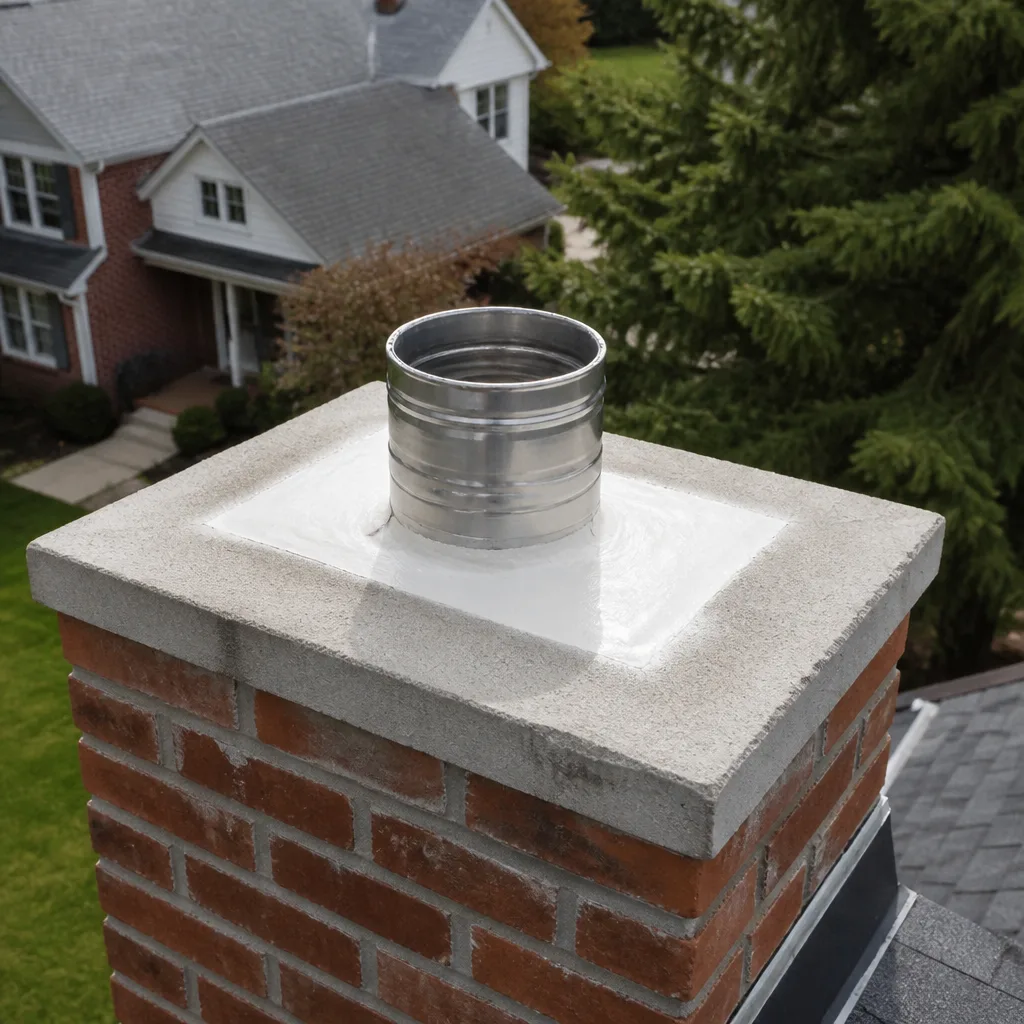
- Crowns with hairline cracks or separation from the flue tile where water gets in.
- Caps that are missing, rusted, or clogged with debris and blocking airflow.
- Damper hardware that no longer seals, letting warm house air escape up the flue.
- Smoke chamber surfaces that have gone rough and catch creosote instead of shedding it.
The Six Components of a Full Chimney System
A chimney is not one object. It’s a stack of components that each do a specific job, and each one can fail on its own. Cleaning the visible firebox is one of six parts of the system that need to be evaluated. If a service only brushes what you can see, you’ve had a partial cleaning and a partial inspection. Here’s how the six components fit together and what each one does.
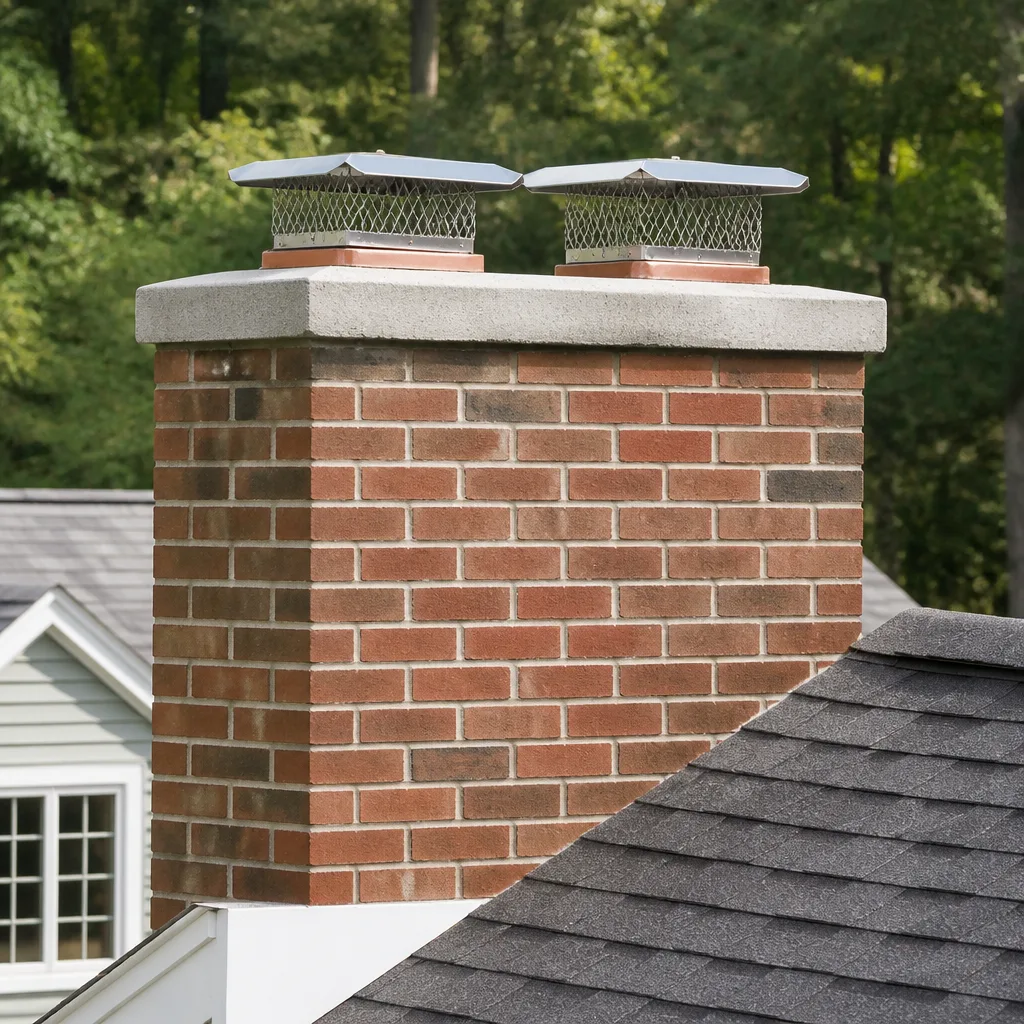
- The crown. The concrete cap on top of the chimney that sheds water away from the flue. A cracked or crumbling crown is the most common entry point for moisture into the system.
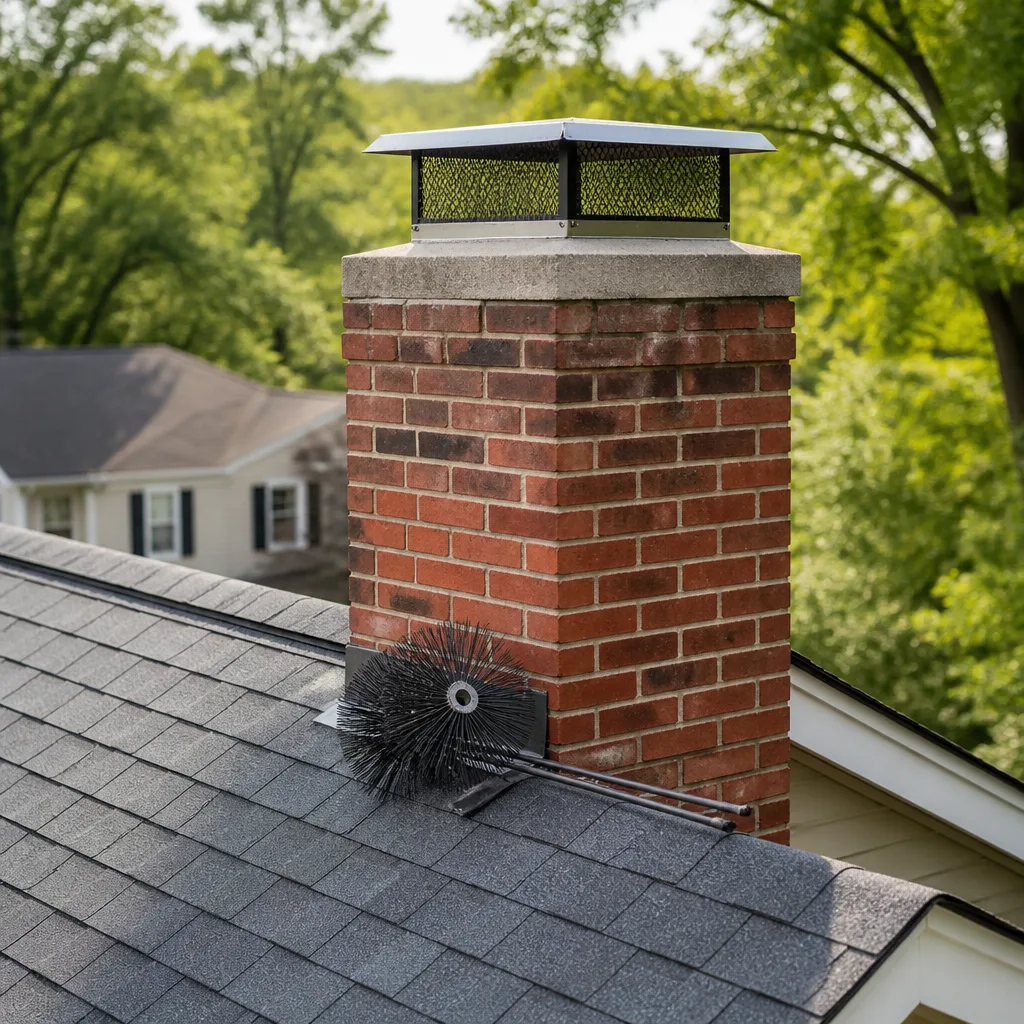
- The cap. The metal or masonry cover over the flue opening. It keeps rain, birds, and debris out and sparks in. A missing or damaged cap lets water straight down the flue.
- The flue liner. The inner wall that carries smoke and gases up and out. This is the component that protects the surrounding house structure from heat and corrosive byproducts. Liner condition is the single most important safety factor.
- The flashing. The metal seals where the chimney meets the roof. Failed flashing leaks water into the attic and roofline, not just the chimney.
- The damper. The door or plate that seals the flue when the fireplace isn’t in use. A damper that doesn’t close lets heated house air escape and lets damp outside air in.
- The smoke chamber and firebox. The space above the fire that funnels smoke into the flue. Rough or damaged surfaces here collect creosote and reduce draft.
When we look at a Pacific Palisades chimney, we’re checking all six. A failed crown and a degraded liner can exist in the same chimney and neither will show up in a photo of a dirty firebox. That’s why a chimney cap & crown evaluation belongs in the same visit as a sweep, not as a separate trip sold later. Full-system service means sweep, liner, crown, cap, firebox, all of it, under one provider so nothing falls between the cracks.
Level 1, 2, and 3 Inspections Explained
The National Fire Protection Association publishes a standard for chimney inspection, NFPA 211, that defines three levels. Knowing which one applies to your situation is the difference between a useful diagnostic and a guess. The level is set by the conditions, not by the upsell.
Level 1. The basic inspection for a chimney in continued service with no known problems and no changes to the system. It covers the accessible parts of the chimney and firebox from the ground or roof without special tools. This is what a routine annual check should include.
Level 2. A more thorough inspection required after a change in the system, a property sale, a chimney fire, or an event that may have damaged the chimney. It includes a visual inspection of all accessible areas plus a video scan of the flue interior. This is the level that surfaces hidden liner damage.
Level 3. The most involved level, used when a serious hazard is suspected and parts of the chimney or surrounding structure must be opened up to evaluate it. This is rare and only warranted when a Level 1 or 2 points to a problem that can’t be seen otherwise.
Which Level Do You Need?
- Routine annual service, no known issues: Level 1.
- After a chimney fire, a nearby house fire, or a long period of disuse: Level 2.
- Buying or selling a Pacific Palisades home with an unfamiliar chimney: Level 2.
- After a wildfire event in the area: Level 2, because smoke, ash, and heat exposure can affect the system in ways a basic look won’t catch.
- A suspected structural problem that a Level 2 couldn’t resolve: Level 3.
A chimney inspection here is a standalone diagnostic service, not a throwaway add-on to a cleaning. You can book an inspection on its own when you want answers before committing to any work. We treat those as a legitimate reason to come out, because the inspection is where every good decision starts.
What Changes After a Wildfire Event
Pacific Palisades sits in a high-fire-risk region, and that reality changes how a chimney should be assessed after any nearby wildfire event. Fire doesn’t have to reach your house to affect your chimney. Ash, embers, and heat exposure can land on a roof, lodge in a cap, and stress components that were already marginal. This is exactly the scenario where the inspection level matters.
After a wildfire event in the area, the right call is a Level 2 inspection, not a routine sweep. The video scan is what catches damage that a visual check of the firebox won’t: hairline cracks in the flue tile, a cap that took heat and is now compromised, or debris packed into the flue that’s blocking draft. The system may look untouched from the living room while a hidden problem has been sitting there since the fire passed.
It also matters for insurance. Homeowners in high-fire-risk parts of Pacific Palisades often need documentation of their chimney’s condition for a policy review or after a claim. An inspection that produces a clear written record of what was found, with photos and a video of the flue interior, gives you something concrete to hand your insurer. That’s part of why we treat inspection as its own service. It produces a document you can use, not just a recommendation you have to take on faith.
A Post-Wildfire Checklist for Your Chimney
- Note the date of the nearest fire event and how close it came to your property.
- Look at the cap and crown from a safe vantage for obvious ash, debris, or heat damage.
- Book a Level 2 inspection with a video scan of the flue interior.
- Keep the written report and photos with your home documents for insurance purposes.
- Hold off on lighting fires until the inspection confirms the system is sound.
How DuraFlex and HeatShield Solve Liner Damage
The single most important part of your chimney is the flue liner, and it’s the part most homeowners never see. When a liner is degraded, the answers aren’t limited to a full tear-out and rebuild. Depending on what the inspection finds, there are professional-grade options that restore safety without that scale of work.
When a liner has cracked sections or has separated from the flue walls and needs to be replaced, a DuraFlex flexible liner system is the professional standard for relining an aging or damaged flue. It brings an older fireplace up to current safety performance, and it’s built for the kind of long service a chimney should give. We install DuraFlex because it holds up and because it’s the material certified chimney professionals rely on, not a hardware-store substitute.
When conditions allow, a liner can be restored rather than replaced. HeatShield is a ceramic flue resurfacing system that repairs cracks and gaps in a masonry flue by applying a ceramic coating to the interior surface. In qualifying chimneys, it’s a non-invasive alternative to a full reline. The key phrase is qualifying: HeatShield isn’t right for every flue, and the inspection is what tells you whether it applies. We don’t recommend it, or any repair, without evidence you can see.
How the Repair Decision Actually Gets Made
- The inspection includes a video scan of the flue interior, so you see the condition for yourself.
- We identify the specific damage: cracks, gaps, spalling, or separation from the flue walls.
- If the flue qualifies for HeatShield resurfacing, that’s a lower-disruption path to a sound liner.
- If the damage is beyond resurfacing, a DuraFlex liner system replaces the failing liner.
- The written estimate sets the price before any work begins.
We’ve seen too many homeowners told they need a full liner replacement before anyone showed them a single image of the damage. That’s the wrong order. Inspect first, recommend second. When a repair can safely wait, we say so, and when it can’t, you get the reason in plain terms.
What a Full-System Cleaning Actually Involves
A proper chimney sweep in Pacific Palisades follows a sequence so nothing gets missed. It’s less about brushing and more about a structured evaluation of the whole system. Here’s how a full-system cleaning visit typically runs.
- Set up and protect the space. Drop cloths and a sealed vacuum keep soot out of your living room.
- Inspect before cleaning. We evaluate the firebox, damper, smoke chamber, flue, crown, cap, and flashing first, because cleaning blind can hide a problem you should know about.
- Sweep the flue. Brushes sized to the flue remove creosote and soot from the inner walls.
- Clean the firebox and smoke chamber. These collect ash and creosote and affect draft, so they’re part of the job.
- Check and confirm the damper. It should open, close, and seal correctly.
- Document the results. Photos of the flue interior and a written summary of findings go with the visit.
This is the difference between a sweep-only service that patches a visible problem and full-system service that evaluates the components most likely to fail. The fireplace repair side of this matters too. A firebox with cracked firebrick or a damaged damper isn’t just a cleaning item. It’s a safety issue that a brush never touches. We handle that under the same visit when it’s part of the picture, so there are no referrals out and no scope gaps.
Why the Sequence Matters
Cleaning before inspecting can hide the very signs you need to see. A crown crack or a worn liner may only be obvious before everything is brushed clean. Running the inspection first means the recommendations come from what we actually found, not what we expected to find. That’s not a sales tactic. It’s the only way to give you a straight answer about your chimney.
The Documentation a Real Cleaning Produces
A full-system cleaning should leave you with more than a clean fireplace. It should leave you with a record of your chimney’s condition, because that record has real value in a high-fire-risk ZIP code. Here’s what a thorough visit produces and why each piece matters.
- Photos of the firebox and flue interior. This is the evidence behind any recommendation, and it’s your proof of condition.
- A video scan of the flue when the inspection calls for it, showing liner condition inside.
- A written summary of findings covering each of the six components, with what was sound and what needs attention.
- The date of service and what was performed, useful for a home sale or insurance review.
- Clear recommendations with a written estimate for anything the inspection found, so you can decide without pressure.
Homeowners in Pacific Palisades often ask why any of this matters. Insurance is one reason. When a policy review or a claim questions your chimney’s condition, a documented service history with photos and a flue video answers the question. It’s also the record you’ll want when you sell, because a buyer’s inspector will find whatever is there, and a clear record makes that go smoothly. We install and service professional-grade components including DuraFlex, HeatShield, Gelco, Olympia Chimney, Famco, and Copperfield, and the documentation of that work should be as solid as the parts themselves. Built to last, not patched to pass.
How Often Pacific Palisades Chimneys Need Service
The general rule most chimney professionals follow is an annual inspection, with a sweep when the inspection shows enough buildup to warrant it. In Pacific Palisades, that annual rhythm matters more than in drier climates. The marine layer and long idle periods mean moisture is working on your chimney even when you’re not using it.
If you burn fires often, you’ll likely need a sweep every year. If you burn a few times each winter, the annual inspection is still the important part, because the local moisture risk means the liner and masonry can degrade whether or not there’s much creosote. The inspection tells you which service, if either, is actually needed.
Signs You Should Book Sooner
- You smell a strong smoky odor in the house even when the fireplace is cold.
- Smoke rolls into the room when you light a fire instead of going up.
- You’ve noticed water, dampness, or staining near the fireplace or on the chimney exterior.
- There’s a fire event in the area and you haven’t had the system inspected since.
- It’s been more than a year since the last inspection.
When in doubt, an inspection is the safest first step, and it’s a service you can book on its own. From there, we tell you honestly what the system needs and what can wait.
Common Mistakes to Avoid
- Treating cleaning as a firebox-only job. If a service only brushes the visible firebox, the crown, liner, and flashing never got evaluated. A full cleaning covers all six components.
- Skipping the inspection because the chimney “looks fine.” Moisture damage and liner wear in Pacific Palisades happen where you can’t see them. The inspection is the whole point.
- Sweeping before inspecting. Brushing can hide the signs that point to a crown crack or a worn liner. Inspection comes first.
- Assuming low wood use means low risk. Infrequent fires in a damp climate are a real moisture risk. Use is not the only factor.
- Going straight to a full reline without evidence. Some flues qualify for HeatShield resurfacing, a lower-disruption repair. The inspection decides which path is right.
- Ignoring the cap and crown. These are the top of the system and the most common water-entry points. A missing or cracked cap lets moisture straight into the flue.
- Not keeping the documentation. The photos, flue video, and written summary are your record for insurance and resale. Save them.
See the difference
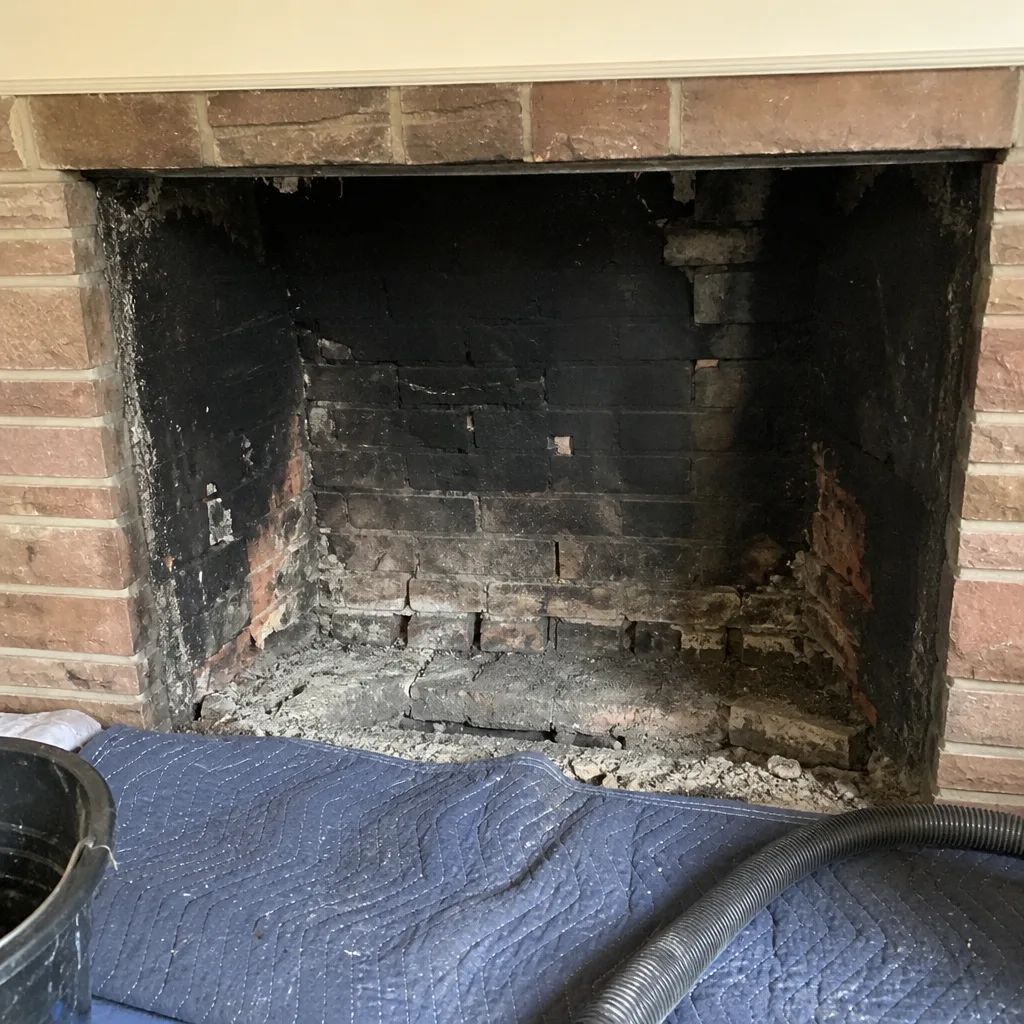 Before
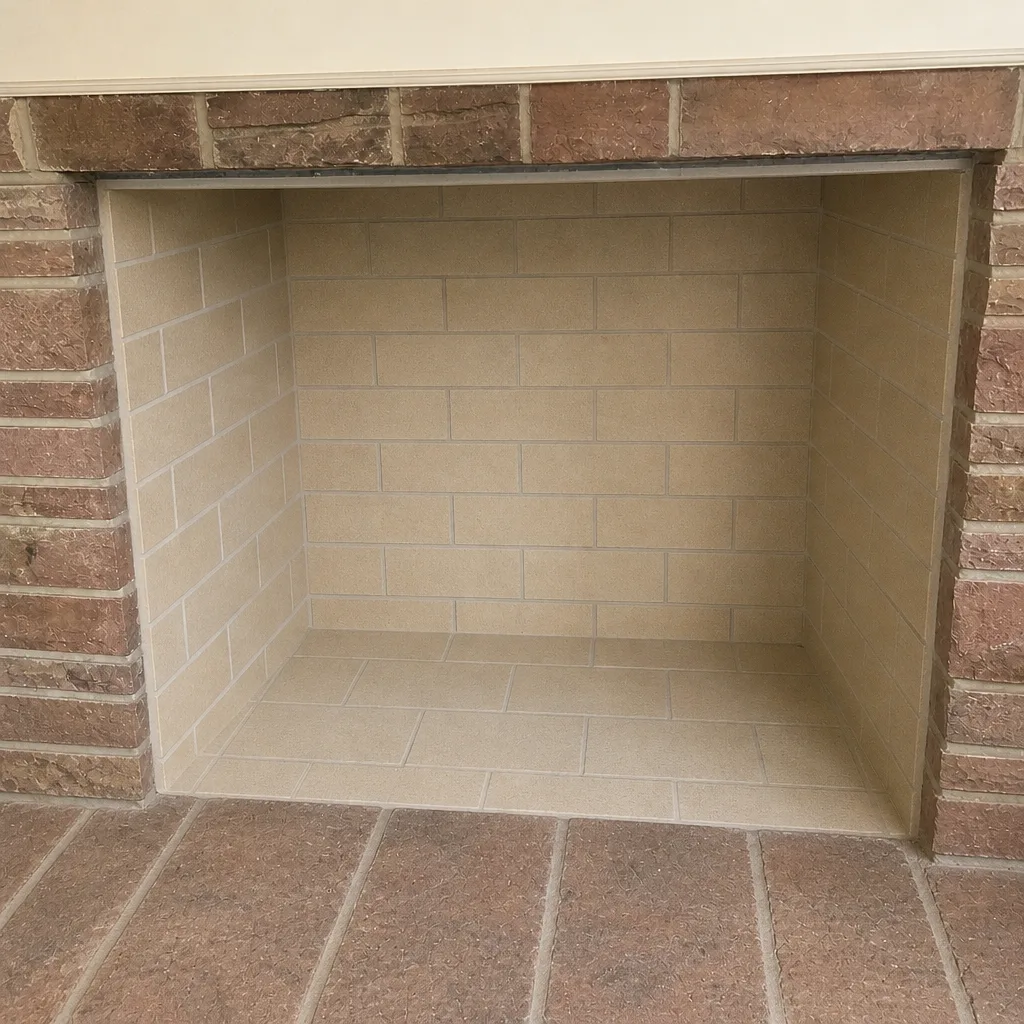 After
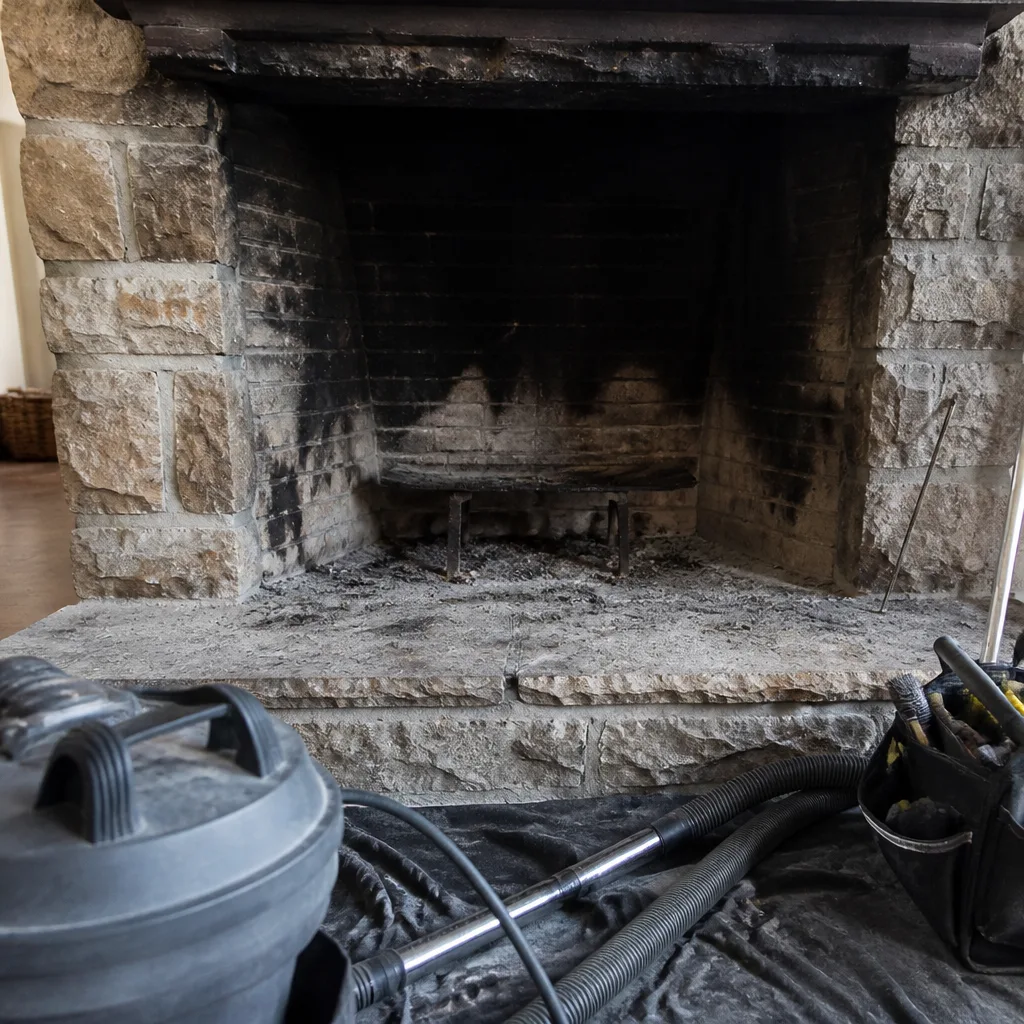 Before
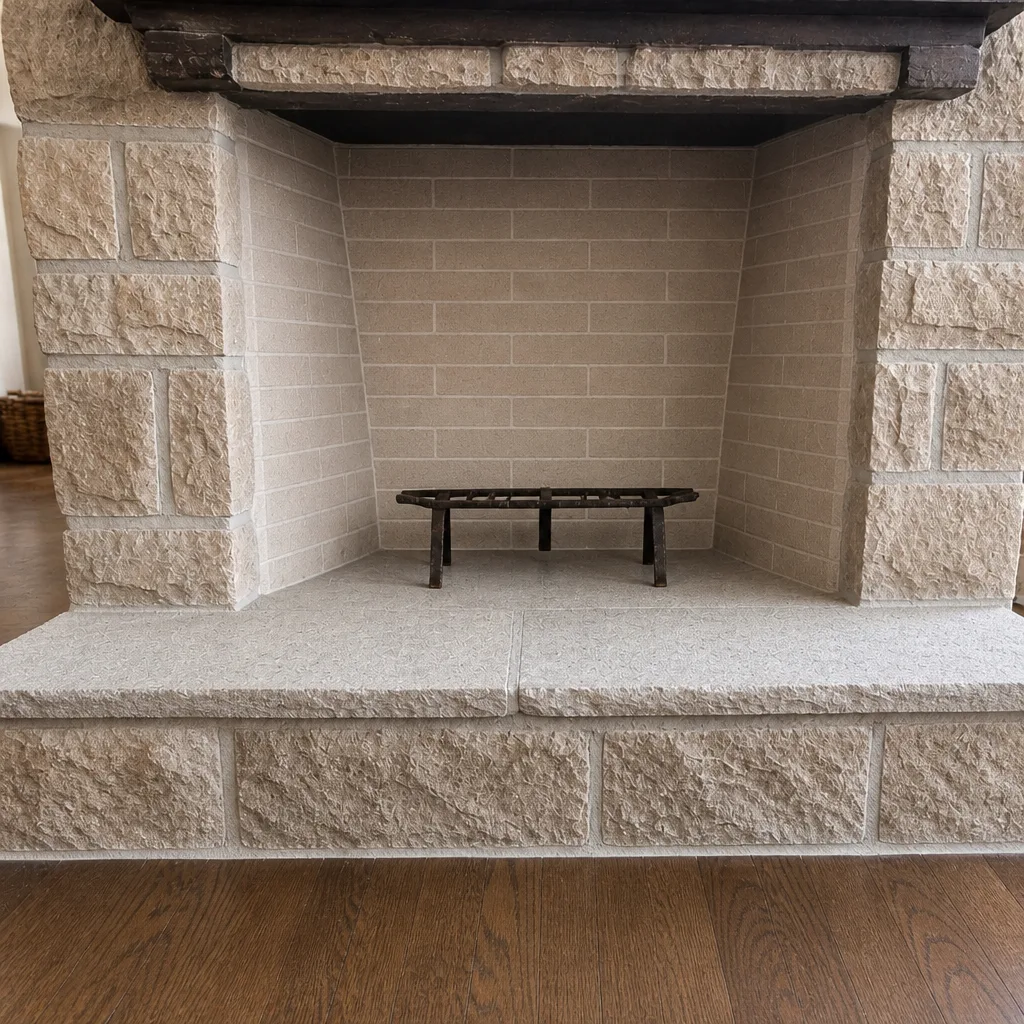 After
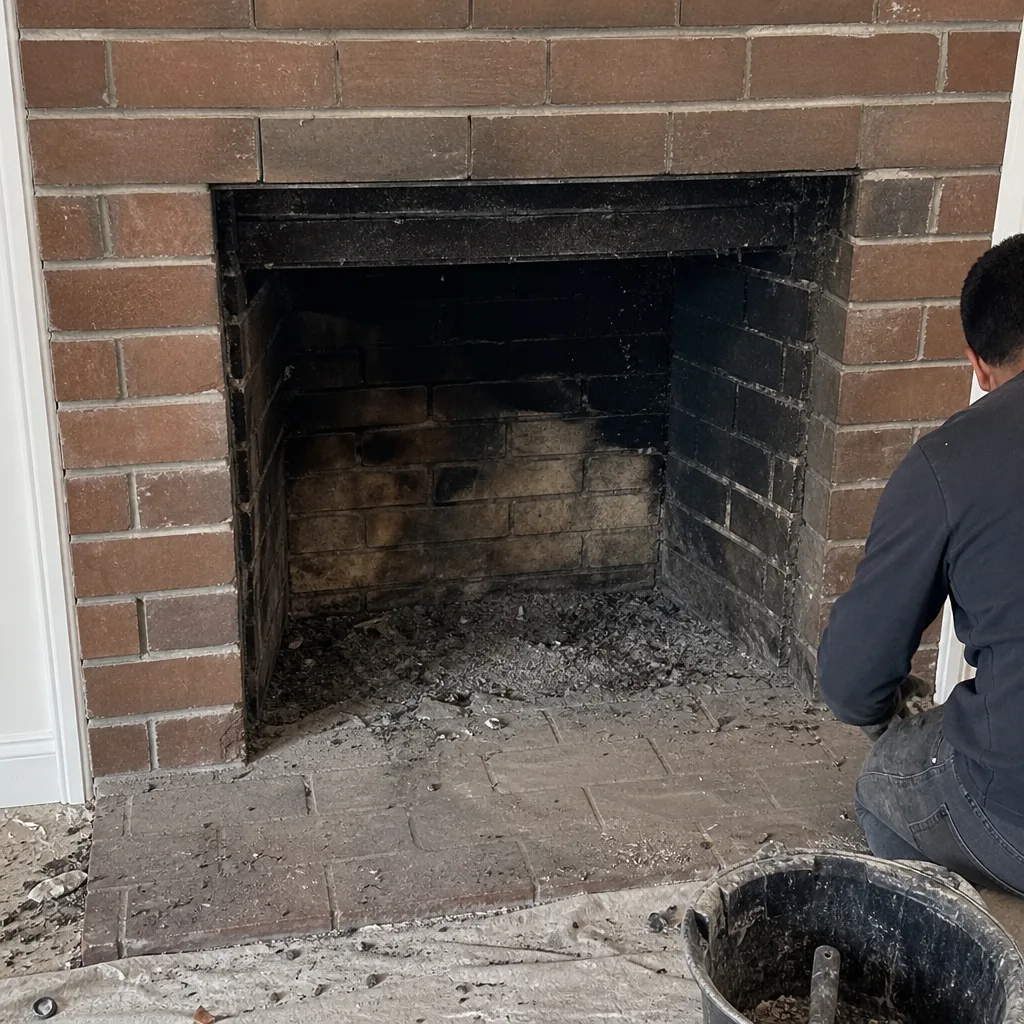 Before
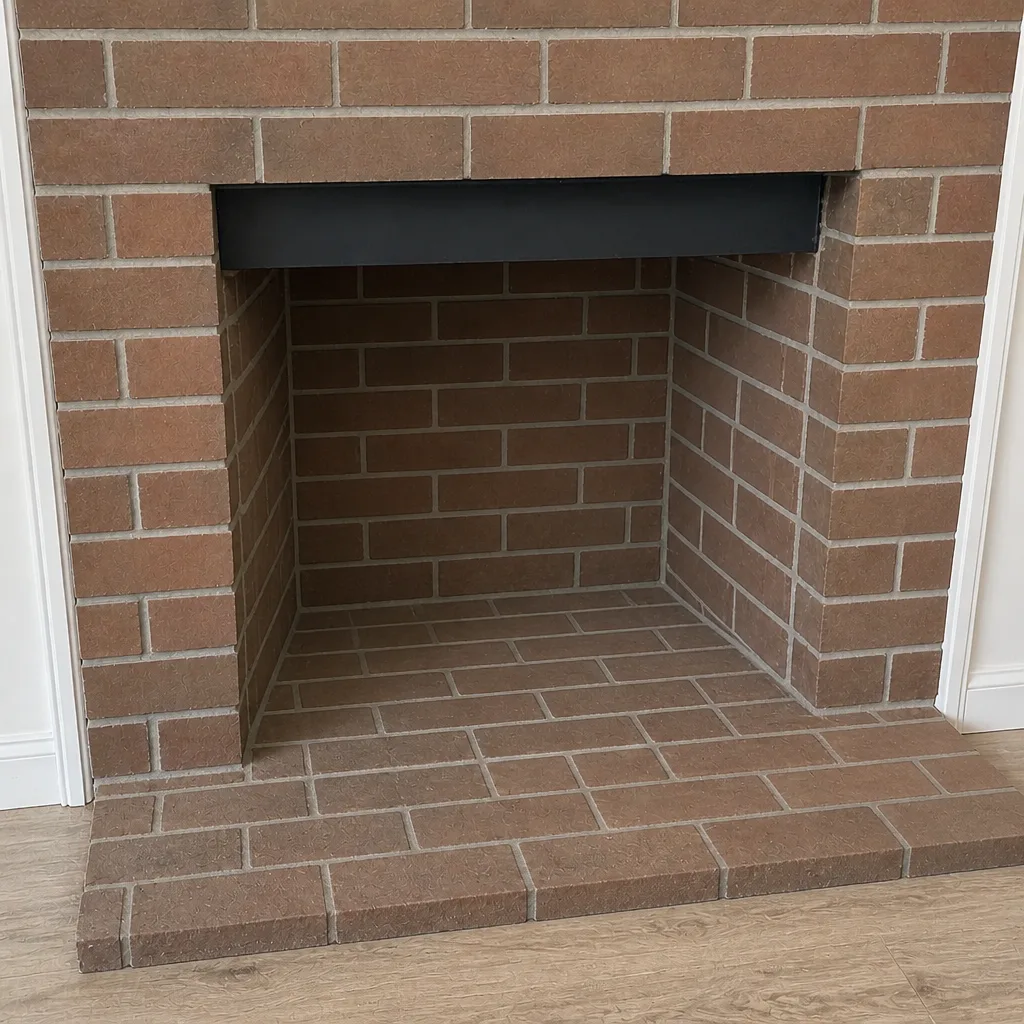 After
When to Call a Professional
Some jobs are a quick check and some need a trained hand. Call a professional if you’ve had a chimney fire, if a nearby wildfire event has passed through your area, if you see cracked masonry or a damaged crown or cap, if smoke backs into the room, or if you’re buying or selling a Pacific Palisades home with an unfamiliar chimney. High-tension parts of a chimney system and the inside of an electrical panel or gas line are not DIY territory, so leave the evaluation and repair to a trained technician. Our technicians have up to 11 years of experience, and we can work with your insurer when documentation is needed. Chimney Sweep Pacific Palisades offers free estimates in Pacific Palisades. Call (855) 531-2802.
Frequently Asked Questions
The price depends on what the inspection finds and what service your chimney actually needs, so there’s no single number that fits every home. We give a written estimate before any work begins, and the estimate sets the final price. The estimate itself is free. Call (855) 531-2802 for an exact quote.
Only if the inspection shows the liner is damaged beyond what resurfacing can address. When conditions allow, HeatShield ceramic resurfacing repairs cracks and gaps without a full reline. We show you the video scan of the flue interior so you can see the condition yourself before deciding. Call (855) 531-2802 for an inspection and a straight answer.
An annual inspection is the baseline, with a sweep added when the inspection shows enough buildup to warrant it. Because the local marine layer keeps chimneys damp between burns, the inspection matters even in years when you don’t burn much wood. Call (855) 531-2802 to book one.
Skipping service lets two things build at once: creosote in the flue and moisture damage in the mortar and liner. Neither is visible from the living room, and both quietly reduce safety over time. An inspection catches them early, before they become a bigger repair. Call (855) 531-2802 to schedule one.
Yes. After a wildfire event in the area, a Level 2 inspection with a video scan of the flue is the right call, because ash, embers, and heat can affect components a basic look won’t catch. It also produces documentation you can keep for insurance. Call (855) 531-2802 to book a Level 2 inspection.
Yes. Inspection is a standalone diagnostic service, not just an add-on to a cleaning. If you want answers about your chimney’s condition before committing to any work, you can book an inspection on its own. Call (855) 531-2802 to set it up.
The Bottom Line
Chimney cleaning in Pacific Palisades is a system-level service, not a quick brush. The marine layer and long stretches between fires make moisture-driven damage in the crown, mortar, and liner as much a concern here as creosote. A full-system visit evaluates all six components, inspects before cleaning, and documents what it finds in photos and a written summary you can keep for insurance and resale. When the liner needs repair, DuraFlex and HeatShield offer professional-grade paths forward; when a repair can safely wait, we say so. Inspect first, recommend second.
Call (855) 531-2802 for a free estimate. We answer 24/7. Fast dispatch from 7am to 7pm, Sunday through Friday.
Written by the team at Chimney Sweep Pacific Palisades.