
Last updated November 22, 2026
 Sweep & inspection
 Caps & crowns
 Flue relining
 Masonry repair
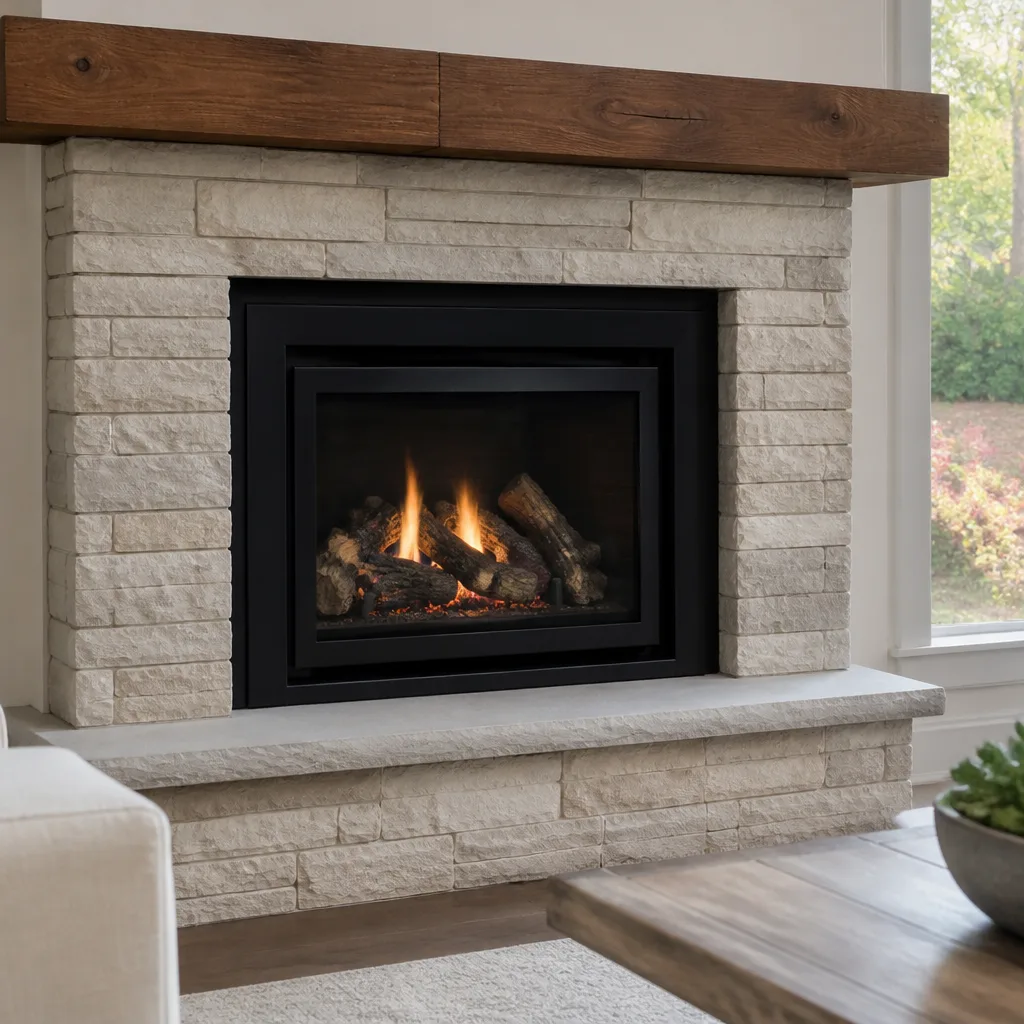 Gas fireplace service
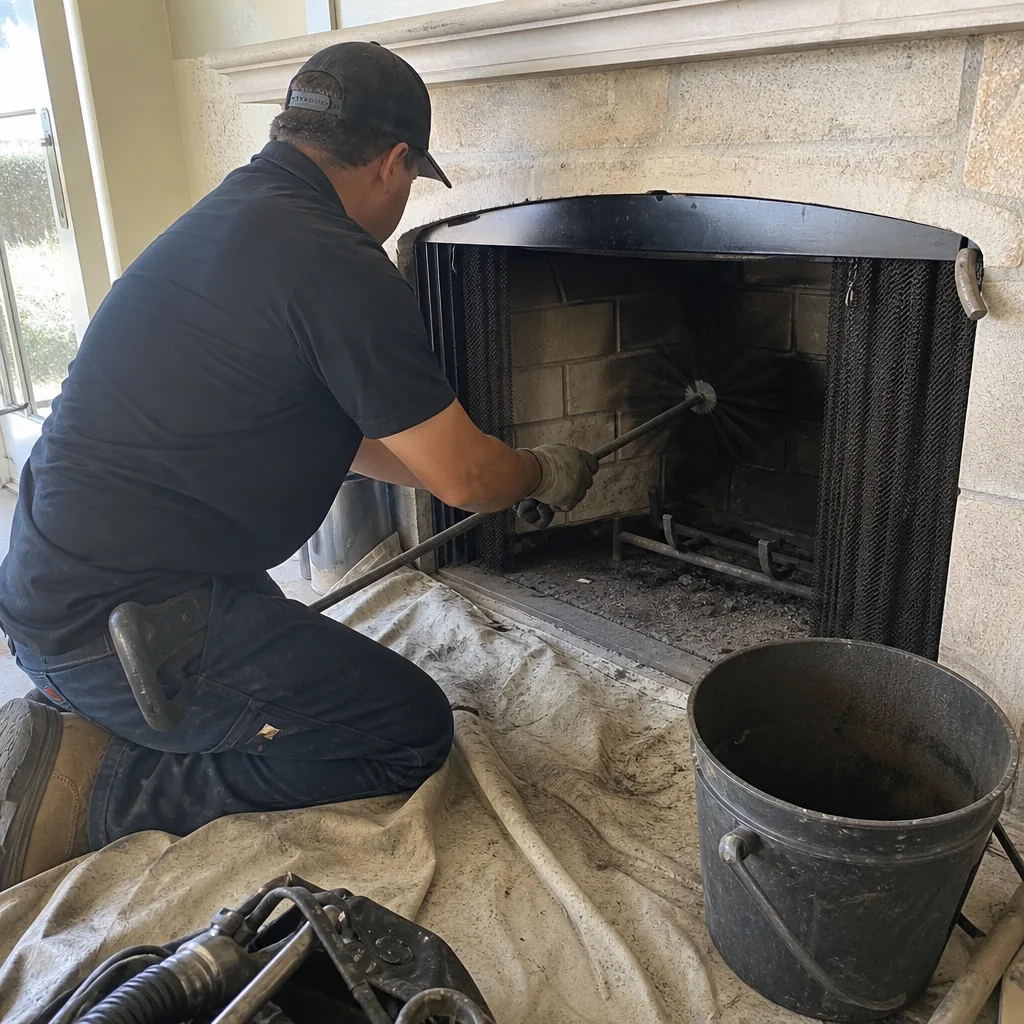
Level 1 sweep and inspection to the NFPA 211 annual standard - flue, crown, cap, and flashing checked and photographed
Chimney sweep logs do not sweep chimneys. They loosen some creosote - which then falls where a brush and vacuum still have to collect it.
Seasonal Chimney Cleaning Care for Pacific Palisades: Year-Round Homeowner’s Guide
The busiest week for chimney sweeps in Pacific Palisades is the one right before Thanksgiving. It’s also the worst week to book one. By then, your chimney has already sat through the entire offshore wind season without anyone looking at the cap, the crown, or the creosote load inside the flue. Booking in September doesn’t make you early. It makes you first in line for the window that actually matters in this geography. What follows is a month-by-month breakdown of what each season does to your chimney here, which components take the hit, and how to time an inspection so you’re never catching up.
Quick Answer
In Pacific Palisades, the chimney system faces four distinct threat windows across the year rather than one generic cleaning season: offshore fire winds in fall, moisture intrusion in winter, oxidation of metal components in spring, and thermal cycling in summer. The single most useful scheduling rule is to book a full inspection and sweep in September, before the offshore wind season, then address any crown, cap, or flashing issues before the first significant rain. One annual sweep alone does not cover all four windows.
Styles & brands we work with
- Sweep & inspection
- Caps & crowns
- Flue relining
- Masonry repair
- Gas fireplace service
Table of Contents
- The Four Seasonal Threat Windows in Pacific Palisades
- Why September Beats October or November for Inspection Timing
- Fall: Offshore Winds, Ember Debris, and Cap Damage
- Winter: Rain and Marine Layer Against Crown, Flashing, and Liner
- Spring: Oxidation Risk on Metal Components
- Summer: Thermal Cycling and the Creosote Build That Follows
- What a Full-System Check Actually Covers
- A Practical Year-Round Maintenance Calendar
The Four Seasonal Threat Windows in Pacific Palisades
Most chimney advice is written for a climate with a hard freeze, a long heating season, and a single obvious “get ready for winter” moment. Pacific Palisades doesn’t work that way. The heating season is short and light, but the chimney is under load from weather almost continuously, just from different directions at different times of year. Understanding which component each season attacks is the difference between a maintained system and a system that quietly degrades between annual visits.
Here’s how the year breaks down by what’s actually happening to the chimney:
- Fall (September through November): Offshore wind events drive fine debris, ash, and embers against and into the chimney top. Caps take impact and vibration. This is also when homeowners first fire up the fireplace after months of inactivity, so accumulated creosote meets a fresh heat source.
- Winter (December through February): Rain and persistent marine layer moisture work on the crown, the flashing seals at the roof line, and any unprotected or aged flue liner. Mortar is porous, and repeated wetting and slow drying weakens it.
- Spring (March through May): Metal components – caps, screens, damper assemblies, and vent terminations – face their heaviest oxidation pressure as moisture lingers and temperatures climb. Galvanized parts degrade fastest.
- Summer (June through August): The fireplace sits idle, then gets heavy use again in fall. Thermal cycling between hot flue gases and cool idle periods stresses masonry and metal alike, and the creosote deposition rate during the first weeks of renewed use is the highest of the year.
What this means for a Pacific Palisades homeowner is straightforward: a single sweep in late fall or early winter addresses one window and misses three. The chimney isn’t a seasonal appliance here. It’s a year-round exterior structure attached to your house, and it weathers accordingly.
If you’re new to the area or new to a home with a fireplace, start with a diagnostic inspection before any cleaning appointment. An inspection tells you what condition the system is actually in; a sweep only removes what’s there. These are different services, and treating them as one is the root of most scheduling mistakes we see. Book a Chimney Sweep Pacific Palisades visit for the cleaning itself, and keep the inspection separate so you have a real condition report to work from.
Why September Beats October or November for Inspection Timing
September is the optimal month for a chimney inspection in Pacific Palisades because it sits in the gap between the dry summer and the arrival of offshore wind season, giving you a clean read on condition before the weather starts stressing the system again. Book in September and you have time to schedule any crown, cap, or liner work before the rains. Book in November and you’re inspecting a chimney that’s already been through the wind season, then racing the weather to fix what you find.
There’s a practical reason beyond weather, too. Demand. The weeks around Thanksgiving and the December holidays are when most homeowners think about their fireplace, which means that’s when scheduling gets tight and when a discovered problem has nowhere to go but a waitlist. A September inspection puts you ahead of that curve.
Here’s the sequence we recommend for a September visit:
- Book a standalone inspection. Not attached to a cleaning, not bundled. A diagnostic visit that documents the flue, firebox, damper, crown, cap, and flashing.
- Get photo evidence. You should see what the technician sees, from inside the flue via camera and from the roof line for the crown and cap. If you can’t see it, you can’t evaluate it.
- Separate urgent from deferred. Some findings need work before the rains. Others can safely wait a season or a year. A good inspection report tells you which is which.
- Schedule any repair work for late September or early October. That’s the window before sustained rain makes crown and flashing work harder to execute cleanly.
- Do the sweep itself after the inspection, not before. Cleaning first and inspecting second buries the evidence. Inspect first, recommend second.
We’ve seen enough September inspections in Pacific Palisades to know the pattern: the problems that surface are almost always the ones that were building quietly since spring. Catching them in September means a repair. Catching them in December means a repair plus water damage. The timing matters more than the task.
Fall: Offshore Winds, Ember Debris, and Cap Damage
Offshore wind events are the defining fall weather pattern in Pacific Palisades, and they do specific things to a chimney that a generic “fall maintenance” checklist won’t catch. Wind at speed drives fine debris – ash, dried leaf material, and embers from prior fires – up against and into the chimney top. A cap that’s loose, rusted at the seams, or missing a spark screen becomes a funnel rather than a barrier.
The components most exposed in fall:
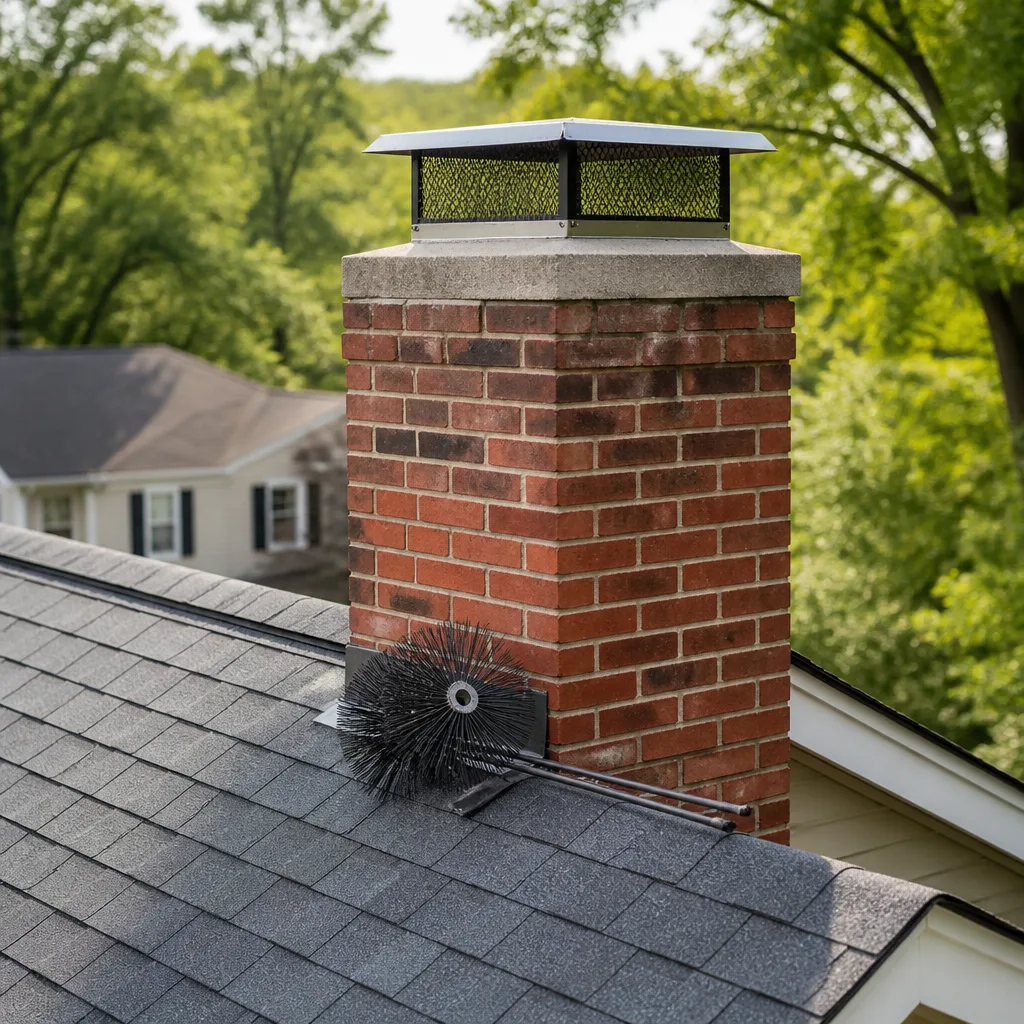
- The cap and spark screen. Wind-borne debris lodges in screens and blocks draft. Loose caps vibrate and work their fasteners free over a season.
- The crown. Hairline cracks that were cosmetic in summer open further under wind-driven rain that follows the wind events.
- The flue itself. Debris that enters the flue settles on the smoke shelf and reduces draft, which then affects how cleanly the fireplace burns all season.
- The firebox and damper. First fires of the season stress a damper that’s been idle for months, and a damper that doesn’t seat properly leaks heat and lets creosote accumulate unevenly.
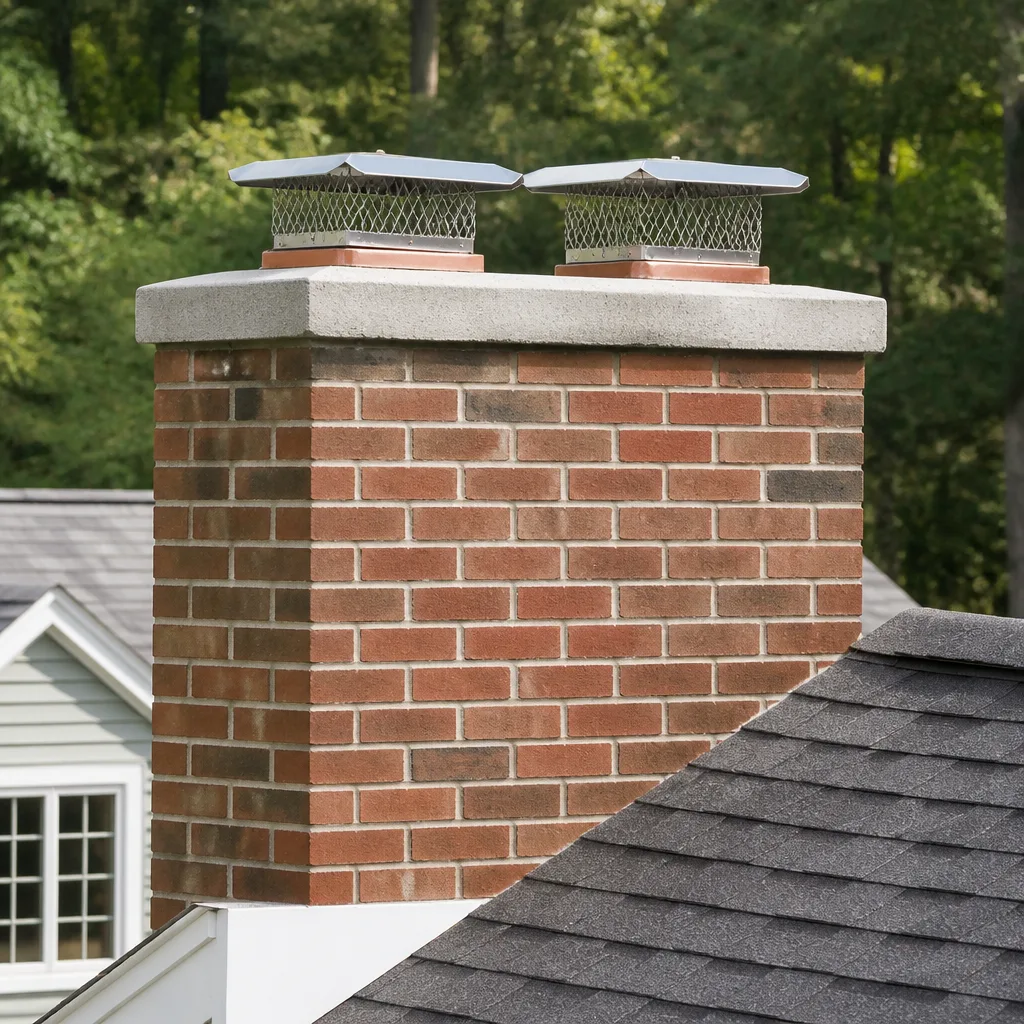
This is also the season when a professional-grade cap earns its keep. A Gelco or Olympia Chimney cap sized and installed correctly resists wind loading and keeps debris out in a way that a loose or undersized cap can’t. We install caps as part of a full chimney cap & crown service, and the difference between a properly anchored stainless cap and a hardware-store substitute becomes obvious after one wind season.
One safety note that matters here: embers and creosote are the fuel for a chimney fire, and a chimney fire is the reason fall inspection isn’t optional. If your flue has a heavy creosote load and you light the first fire of the season without a sweep, you’re giving that load a heat source. Get the flue cleaned before the first burn, not after.
Winter: Rain and Marine Layer Against Crown, Flashing, and Liner
Winter in Pacific Palisades brings sustained moisture rather than hard freeze, and that moisture is relentless on a chimney’s exterior and its masonry. Rain hits the crown and the flashing directly; marine layer keeps surfaces damp long after the rain stops. Mortar is porous. Repeated wetting and slow drying is what deteriorates it, not any single storm.
The three components that take the most winter punishment:
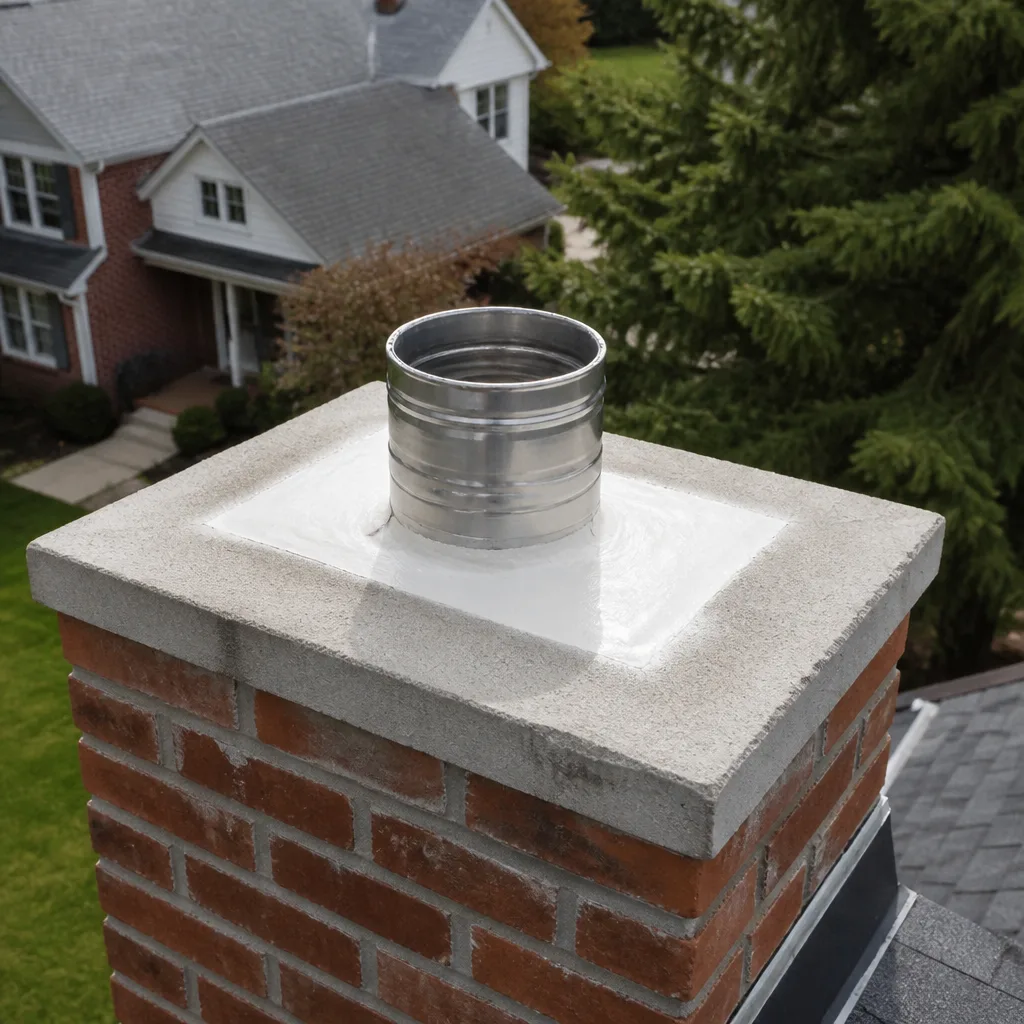
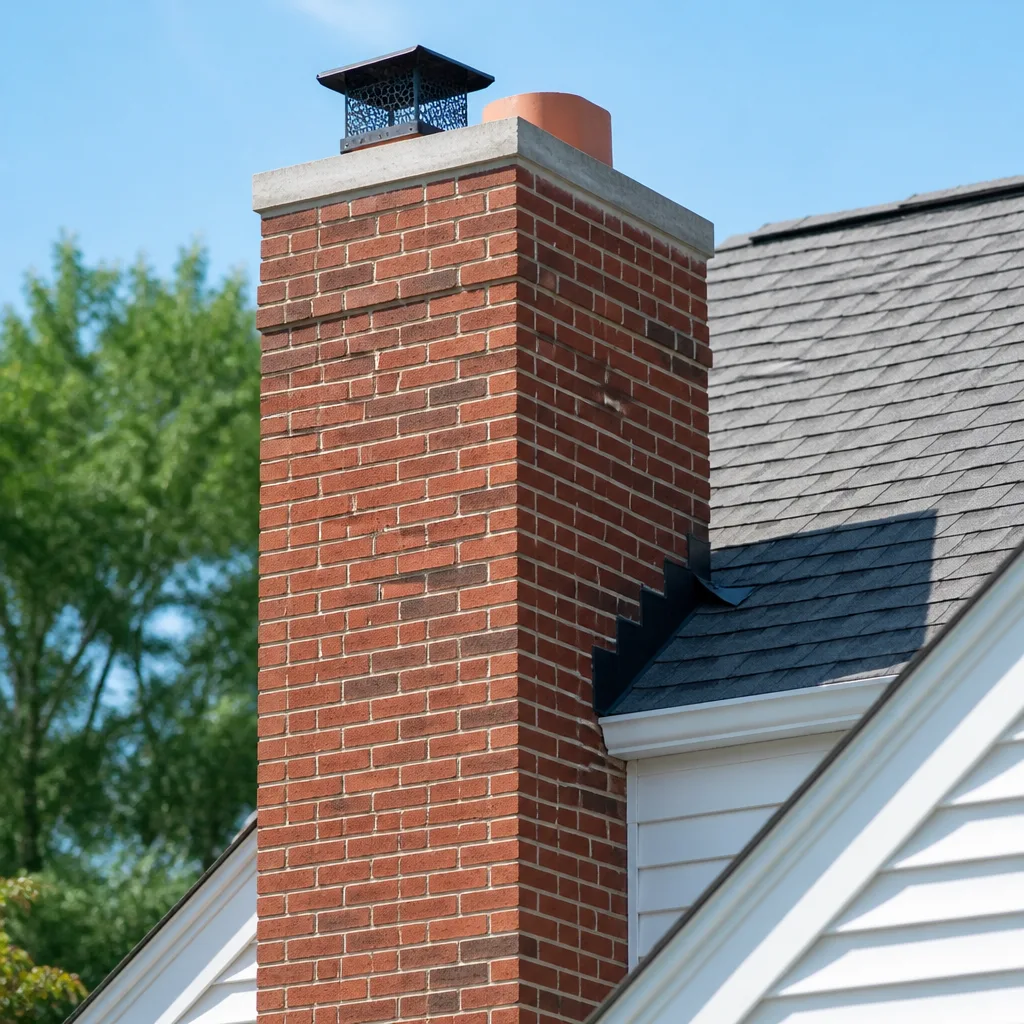
- The crown. The crown is the concrete or mortar cap at the top of the chimney that sheds water away from the flue. A crack in the crown lets water into the chimney structure itself, where it migrates down through the masonry. Crown repair or replacement is one of the highest-value winter-prep tasks on the whole system.
- Flashing seals. Flashing is the metal and sealant at the roof line where the chimney penetrates the roof. When the seal fails, water enters the roof deck and the ceiling below, and the damage often shows up far from the chimney before anyone connects the two.
- Unprotected flue liners. A clay tile liner with cracks or gaps lets moisture and combustion byproducts into the surrounding masonry. A stainless liner, properly installed, protects the masonry from the inside. This is where relining decisions get made, and winter is when a failing liner shows its hand.
If your liner is damaged, the fix isn’t always a full replacement. HeatShield ceramic resurfacing is an industry-recognized method of repairing a flue from the inside without pulling the whole liner, and it’s appropriate when the chimney’s condition qualifies. When a full reline is the right call, DuraFlex flexible liner systems are the professional standard for bringing an aging flue up to current safety performance. The decision between the two should come from inspection evidence, not from a sales conversation.
Winter is also when moisture finds its way into a fireplace that isn’t being used. A damper left slightly open, a missing cap, or a crown crack all admit water. If you notice a damp smell from the firebox or efflorescence (the white powdery staining) on exterior masonry, that’s moisture, and it’s worth a diagnostic visit before spring. For firebox-level issues, our fireplace repair service handles the interior components that moisture and use wear out.
Spring: Oxidation Risk on Metal Components
Spring in Pacific Palisades is when metal chimney components face their heaviest oxidation pressure. The combination of lingering moisture and rising temperatures accelerates corrosion on anything galvanized or mild steel. Standard galvanized caps, vent terminations, and damper hardware degrade fastest. Stainless systems hold up far better, which is why material choice matters more here than in a dry inland climate.
What to watch for as the season turns:
- Rust staining on the cap or screen. Early rust is easy to miss and easy to address. Late rust means replacement.
- Chalky or flaking surfaces on metal. Oxidation shows as a dull, powdery finish before it shows as structural weakness.
- Loose or degraded fasteners. Corroded screws and anchors are what actually fail on a cap, not the cap itself.
- Damper hardware that binds. A damper that’s stiff in spring will be worse by fall.
This is where sourcing matters. We work with professional-tier brands specifically because their components hold up through a full annual weather cycle here. A Gelco or Famco stainless cap resists oxidation in a way a galvanized substitute simply doesn’t, and Olympia Chimney venting products are built to the same standard. That’s not a brand preference for its own sake – it’s the difference between a cap that lasts and a cap you replace every few years. Big-box retail doesn’t carry this tier of product, and that gap shows up first in spring.
A spring inspection isn’t about cleaning. It’s about catching metal degradation while it’s still a component swap rather than a system repair. If you skipped a fall inspection, spring is your recovery window – and it’s a better one than most homeowners realize, because the weather is stable and scheduling is open.
Summer: Thermal Cycling and the Creosote Build That Follows
Summer is the quiet season for a fireplace in Pacific Palisades, and that quiet is exactly what sets up the fall. The fireplace sits idle through the hot months, then gets heavy use again as the evenings cool. That cycle – extended idle, then intense use – produces the highest creosote deposition rate of the annual cycle.
Here’s the mechanism. Creosote forms when flue gases cool and condense on the flue walls. A cold flue at the start of the season condenses more than a warm one. So the first several fires after a long idle period deposit creosote faster than fires later in the season, when the flue is warm and drafting well. Add a flue that still has last season’s residue and you’re stacking new deposition on old.
Thermal cycling also stresses the materials themselves:
- Masonry. Expansion and contraction between hot flue gases and cool idle periods opens existing hairline cracks in the crown and firebox over time.
- Metal liners and dampers. Repeated heating and cooling fatigues joints and seams.
- The firebox. Refractory panels and mortar joints crack under the same cycling, and those cracks let heat reach the structure behind them.
The practical takeaway for summer: this is the season to get ahead of the fall build, not to ignore the chimney because you’re not using it. A summer or early-September sweep clears last season’s residue before the cold-flue deposition starts, and a summer inspection catches thermal damage while there’s still time to repair it before the wind season. If you only book one visit a year, book it now.
Summer is also the right time for cap and crown work, because the weather is dry and stable and the roof is safe to access. Crown repair and cap replacement done in summer hold through the fall wind and the winter rain. Done in November, they’re a race.
What a Full-System Check Actually Covers
A chimney is not a flue with a cap on top. It’s a system of interacting components, and a full-system check evaluates all of them because a failure in one stresses the others. This is why we treat inspection as a standalone diagnostic service rather than an add-on to a cleaning appointment – the scope is genuinely different.
What a full-system evaluation includes:
- Firebox and refractory panels. Cracks, spalling, and gaps in the firebox that let heat reach the structure.
- Damper assembly. Operation, seating, and condition of the hardware.
- Smoke chamber and smoke shelf. Debris accumulation and the transition where draft is established.
- Flue interior via camera. Liner condition, cracks, gaps, offset joints, and creosote load, documented on camera.
- Crown and masonry at the top. Cracks, spalling, and the slope that sheds water.
- Cap and spark screen. Fit, anchorage, screen condition, and material integrity.
- Flashing at the roof line. Seal condition and evidence of past water intrusion.
We cover all five service categories in-house – chimney sweep, inspection, cap and crown, fireplace repair, and chimney repair – specifically so there’s no scope gap where a referral would leave one component unaddressed. The full chimney system gets evaluated as a system, and the recommendation is built from camera evidence you can see for yourself, not from a checklist that assumes every chimney needs the same work.
That last point matters because it’s the thing homeowners worry about most: being told they need expensive liner or masonry work they have no way to verify. The answer is that nothing is recommended without camera evidence, and a good inspection tells you plainly when work can safely wait. Built to last, not patched to pass – but also not sold before it’s needed.
A Practical Year-Round Maintenance Calendar
Here’s the schedule we’d recommend for a Pacific Palisades home with a regularly used fireplace. It’s built around the four threat windows rather than a single annual event.
- September: full inspection and sweep. The most important visit of the year. Inspect first, then clean. Document the flue, crown, cap, and flashing with photos.
- Late September to early October: address inspection findings. Crown repair, cap replacement, flashing resealing, or liner work scheduled before the rains.
- November to February: moisture watch. After significant rain, check for damp smells from the firebox and for efflorescence on exterior masonry. Any sign of water intrusion warrants a diagnostic visit.
- March to May: metal component check. Look for rust staining, chalky surfaces, or loose fasteners on the cap and vent terminations. A spring inspection catches oxidation early.
- June to August: pre-season sweep and repair window. Clear last season’s creosote before the cold-flue deposition of the first fall fires. Do crown and cap work in the dry months.
If your fireplace sees light use, this can compress to one inspection and one sweep per year – but the inspection still belongs in September, not November. If you’ve moved into an older Pacific Palisades home and don’t know the chimney’s history, start with a standalone inspection before anything else. You can’t schedule around a condition you haven’t measured.
Common Mistakes to Avoid
- Booking the annual sweep for the week before Thanksgiving. That’s the peak demand window and the worst inspection timing – the chimney has already been through the fall wind season by then. September is the better month in this geography.
- Treating cleaning and inspection as the same appointment. A sweep removes creosote; an inspection evaluates condition. If you only book the sweep, you get a cleaner flue but no condition report, and components like the crown and liner go unmeasured.
- Skipping the crown because it “looks fine” from the ground. Crown cracks that matter are rarely visible from the yard. They show up on the roof and in the camera footage of the flue, where water tracking is apparent.
- Replacing a galvanized cap with another galvanized cap in a coastal climate. Spring oxidation is hard on standard galvanized components here. A stainless cap from a professional-tier brand holds up through multiple seasons instead of one or two.
- Assuming a failed flue means a full reline. HeatShield ceramic resurfacing can repair a qualifying flue from the inside without full liner replacement. The decision should come from the inspection, not from a default assumption.
- Ignoring the damper because the fireplace “works.” A damper that doesn’t seat leaks heat, admits moisture, and lets creosote accumulate unevenly. It’s a cheap fix early and a bigger one later.
- Lighting the first fire of fall without a sweep. Cold-flue deposition plus last season’s residue is the highest creosote load of the year. Get the flue cleaned before that first burn, not after it.
See the difference
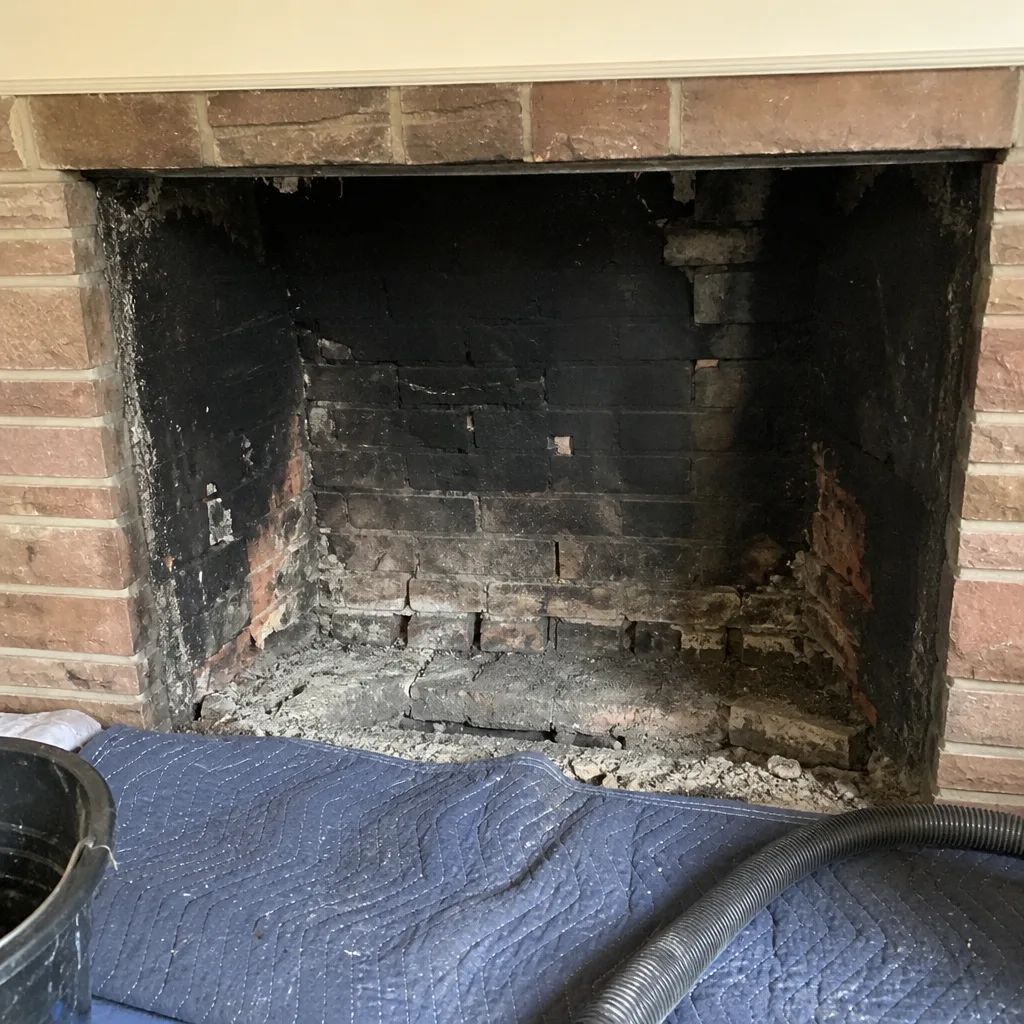 Before
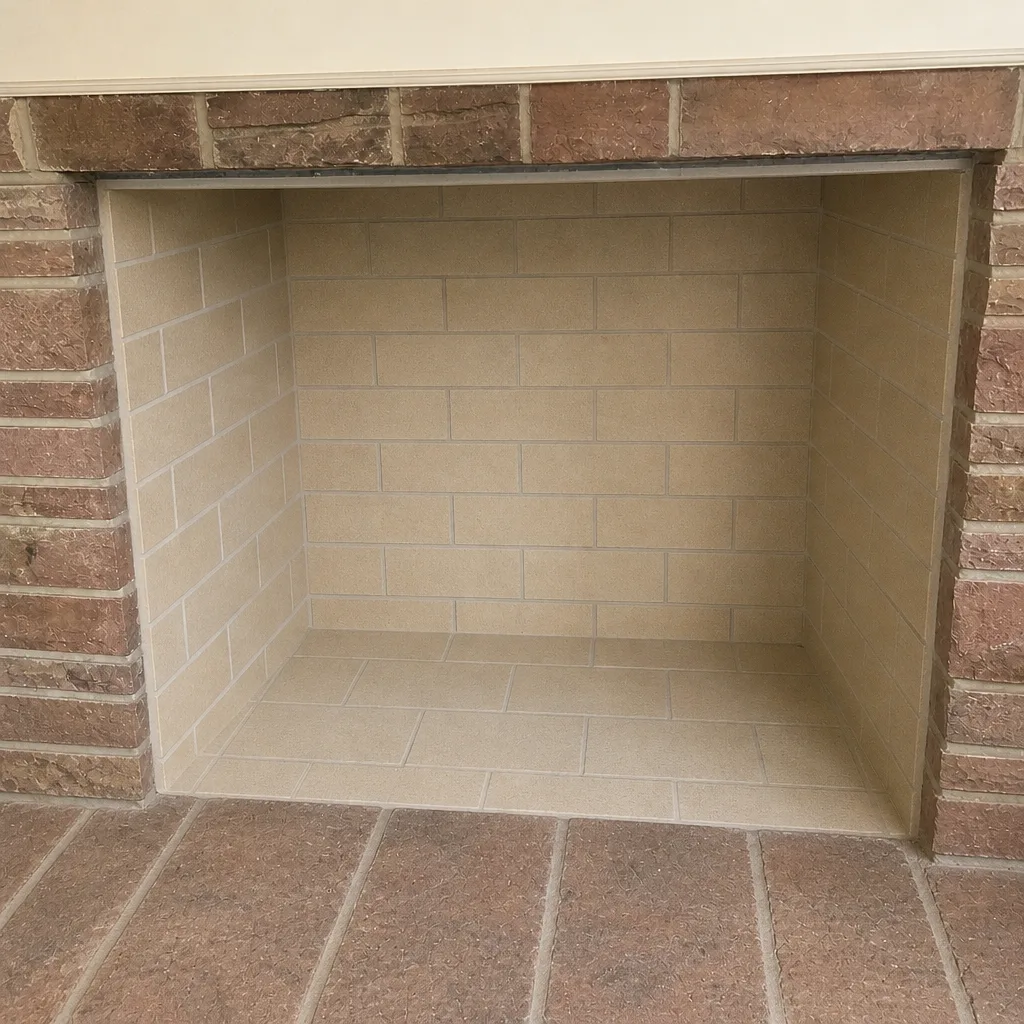 After
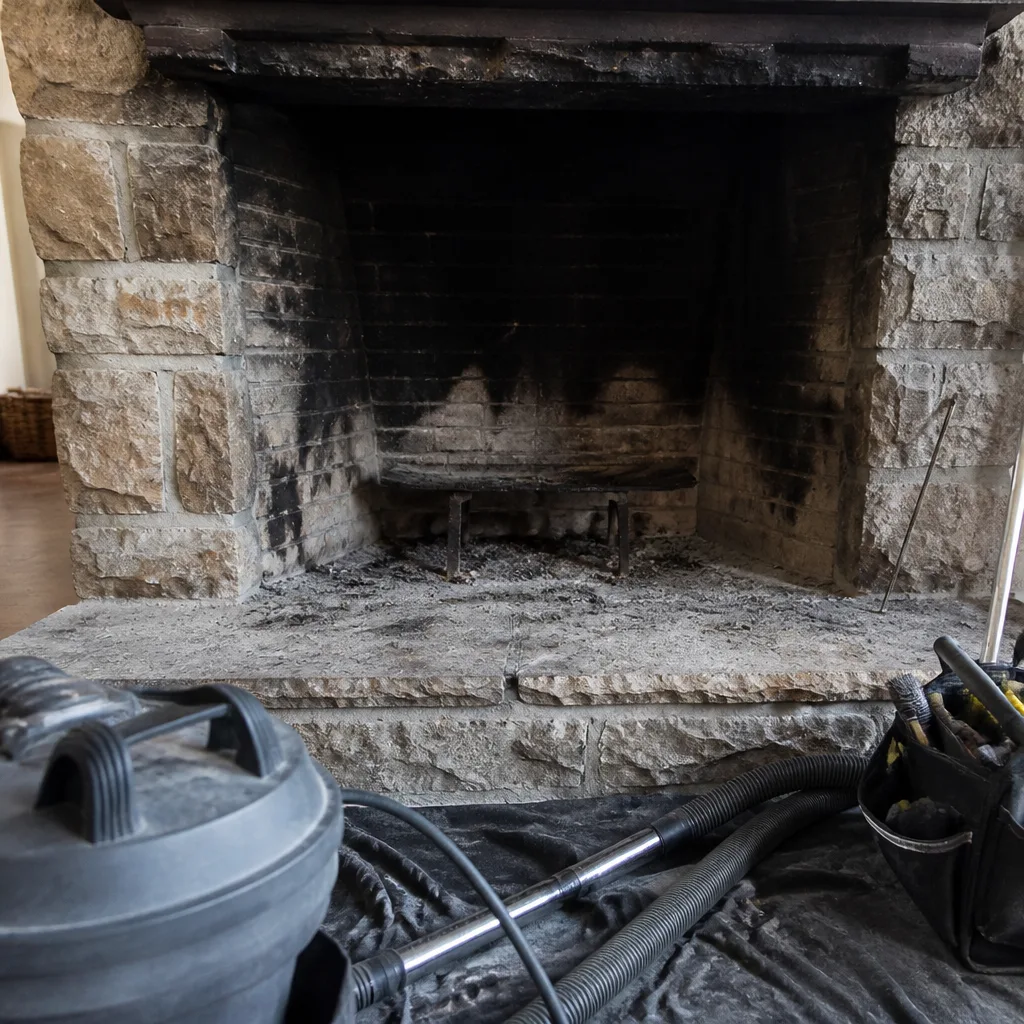 Before
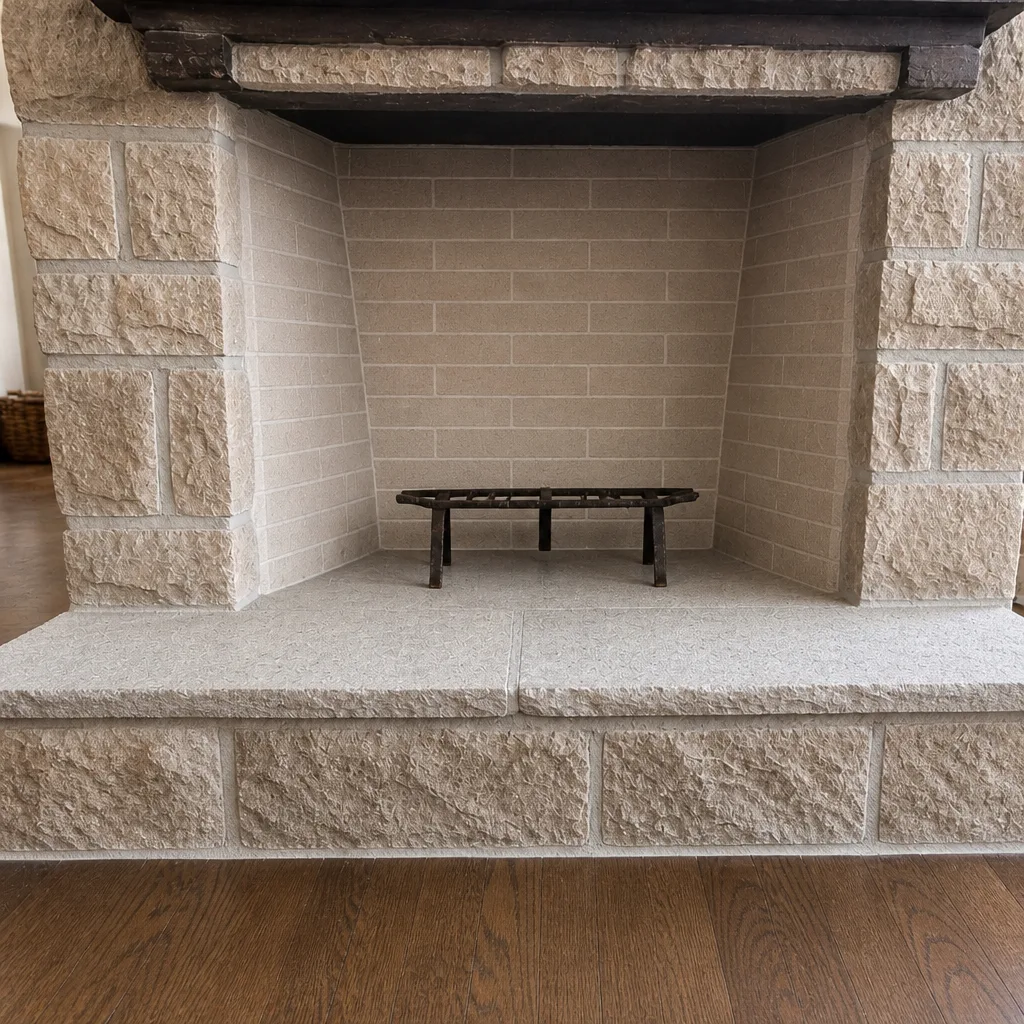 After
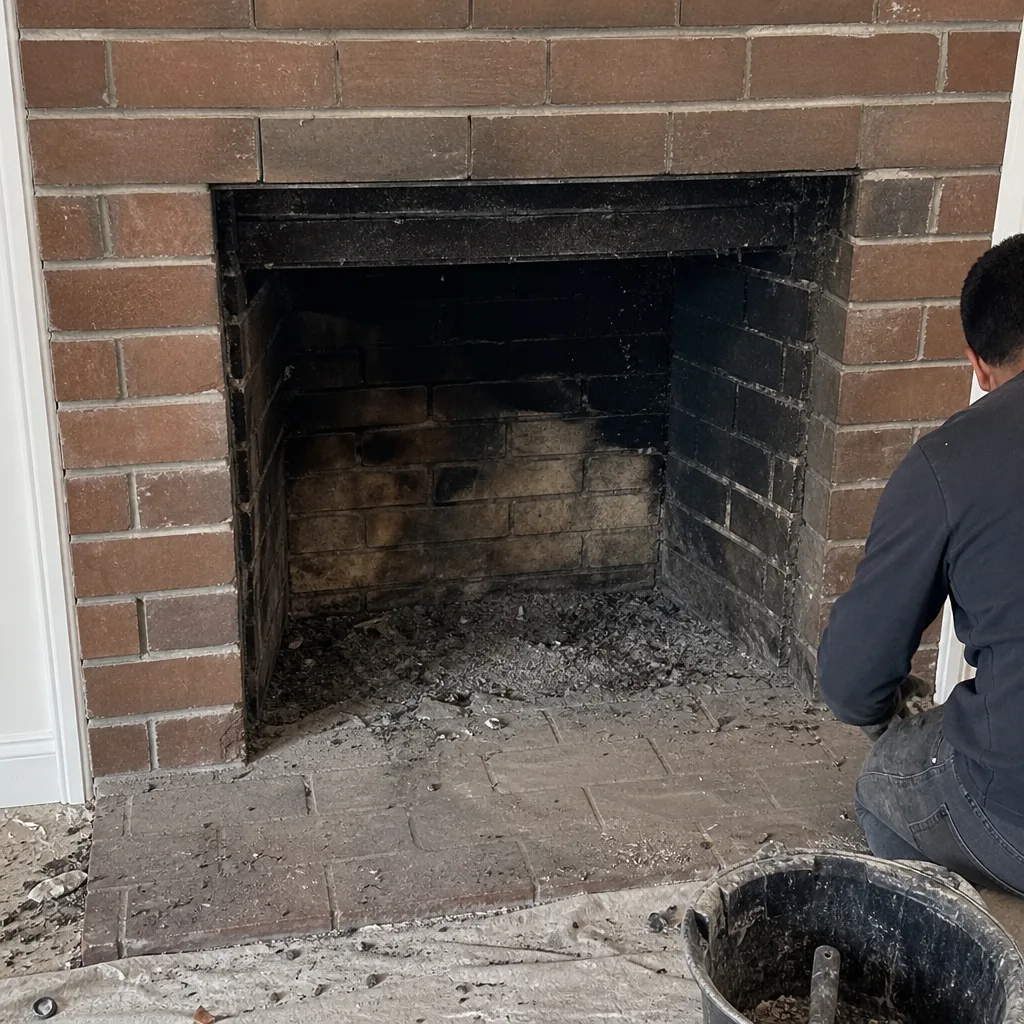 Before
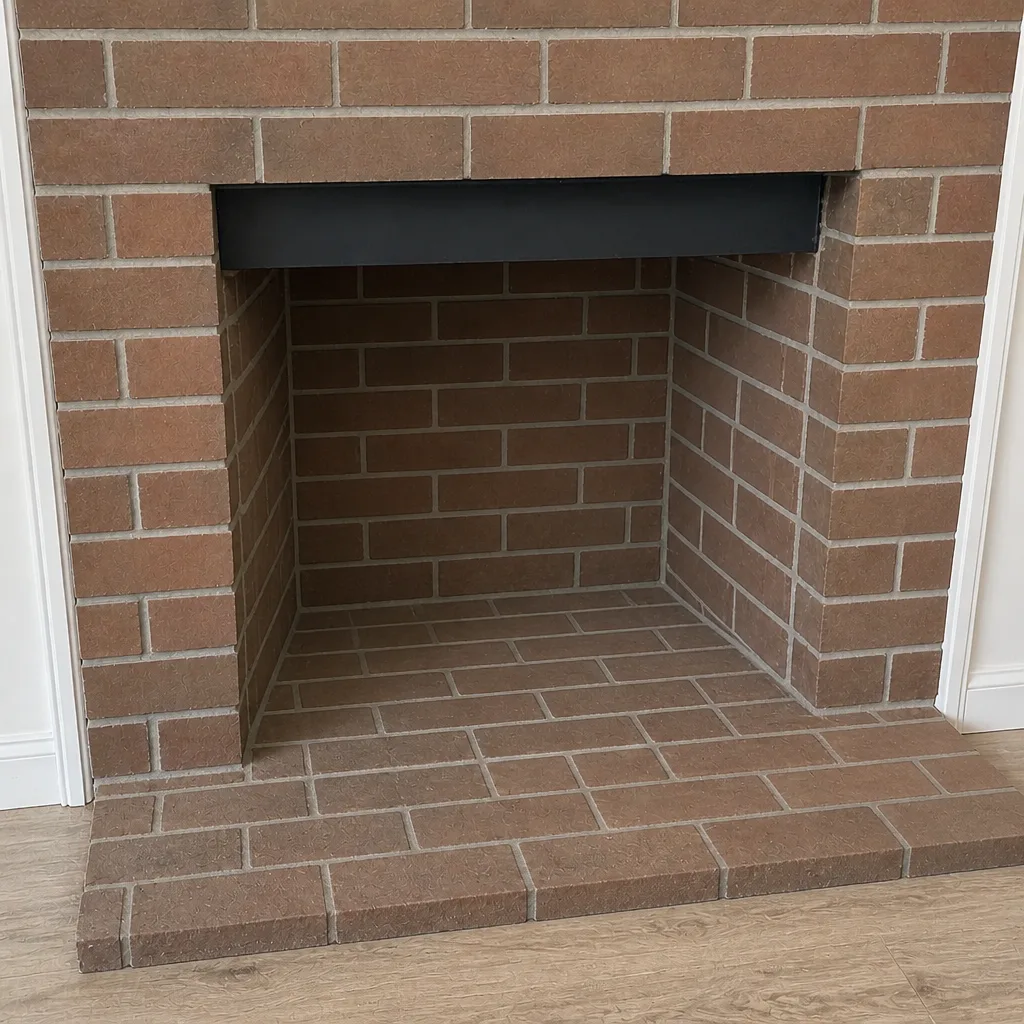 After
When to Call a Professional
Call a professional for anything involving the flue interior, the crown and cap, the flashing, or the firebox structure. Those are the components where a mistake creates a fire or water hazard rather than a cosmetic one. Specifically: if you haven’t had the chimney inspected since before the last wind season, if you’ve noticed damp smells or efflorescence, if you’ve seen rust staining on the cap, if the damper binds, if the firebox has visible cracks, or if you’re moving into an older home with an unknown chimney history. A standalone inspection is the right first call in every one of those cases, and it’s a diagnostic rather than a sales pitch. Chimney Sweep Pacific Palisades offers free estimates in Pacific Palisades. Call (855) 531-2802. We answer 24/7, with fast dispatch from 7am to 7pm, Sunday through Friday.
Frequently Asked Questions
Most Pacific Palisades chimneys with regular fireplace use benefit from one sweep per year, scheduled in September or early October. If you burn frequently or use unseasoned wood, or if the flue shows heavy creosote at inspection, an additional pre-season sweep in summer is worth considering. The right interval comes from the inspection, not from a fixed calendar rule. Call (855) 531-2802 for an exact quote – the estimate is free.
September falls between the dry summer and the start of offshore wind season, so it gives you a clean read on condition before the weather stresses the system and time to schedule any crown, cap, or liner work before the rains. November puts you on the far side of the wind season, inspecting a chimney that’s already taken impact, and racing the weather to fix whatever turns up. September is first in line; November is cleanup.
Not every failed liner needs full replacement. HeatShield ceramic resurfacing can repair a qualifying flue from the inside without pulling the whole liner, and when a full reline is the right call, DuraFlex flexible liner systems are the professional standard. The decision should be based on camera evidence of the flue’s actual condition rather than a default assumption. Ask to see the footage before you decide.
Nothing dramatic and immediate – and that’s the problem. Creosote accumulates silently, crown cracks widen gradually, and flashing seals fail slowly. Skipping the inspection doesn’t create a hazard on day one; it lets small, cheap fixes become larger ones over several seasons. The camera evidence from one September visit is what tells you which category you’re in.
Yes. Inspection is a standalone diagnostic service here, not an add-on to a cleaning appointment. You can book a diagnostic-only visit and get a condition report with camera footage of the flue, crown, cap, and flashing, with a recommendation built from what’s actually there. Call (855) 531-2802 for an exact quote – the estimate is free.
Marine layer keeps masonry surfaces damp long after rain stops, and mortar deteriorates through repeated wetting and slow drying rather than any single storm. That slow, sustained moisture is harder on the crown and flashing than a short heavy rain would be, because it never fully dries out between cycles. It also lingers on metal components and adds to the oxidation pressure in spring.
The first weeks of renewed fall fireplace use, after the summer idle. A cold flue condenses more combustion gases than a warm one, so the first several fires deposit creosote at a faster rate than later in the season, especially on top of last season’s residue. A summer or early-September sweep clears the old load before the new deposition begins. Call (855) 531-2802 for an exact quote – the estimate is free.
The Bottom Line
Pacific Palisades doesn’t hand your chimney a single annual cleaning season. It hands it four threat windows: offshore winds in fall, moisture in winter, oxidation in spring, and thermal cycling in summer. A single sweep booked before Thanksgiving addresses one window and misses three. The fix is timing, not frequency – book the full inspection and sweep in September, address findings before the rains, check metal components in spring, and do crown and cap work in the dry summer window. Inspect first, recommend second. Nothing gets recommended without camera evidence you can see, and you’ll always be told plainly when work can safely wait. We’d rather you schedule the right visit than the most expensive one.
Call (855) 531-2802. We answer 24/7. Fast dispatch from 7am to 7pm, Sunday through Friday.
Written by the team at Chimney Sweep Pacific Palisades.