
Last updated November 22, 2026
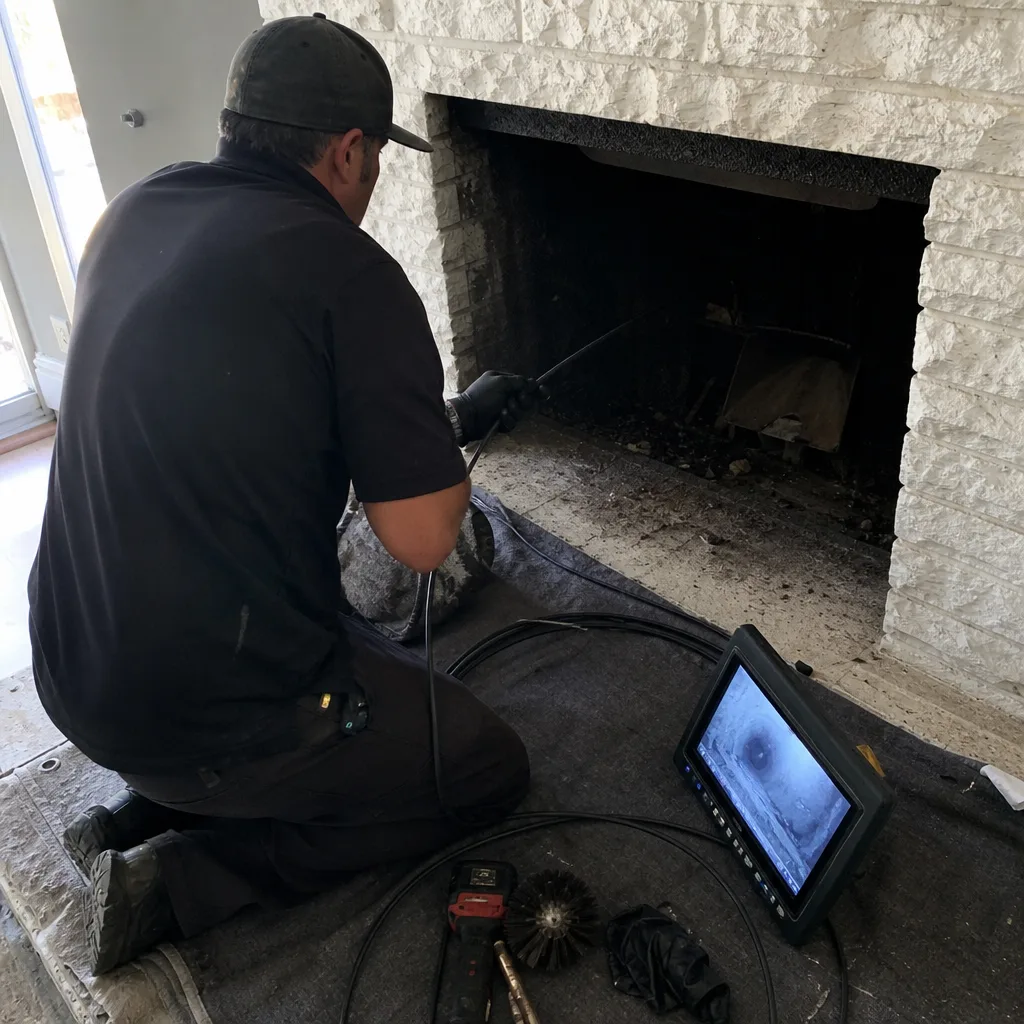
 Sweep & inspection
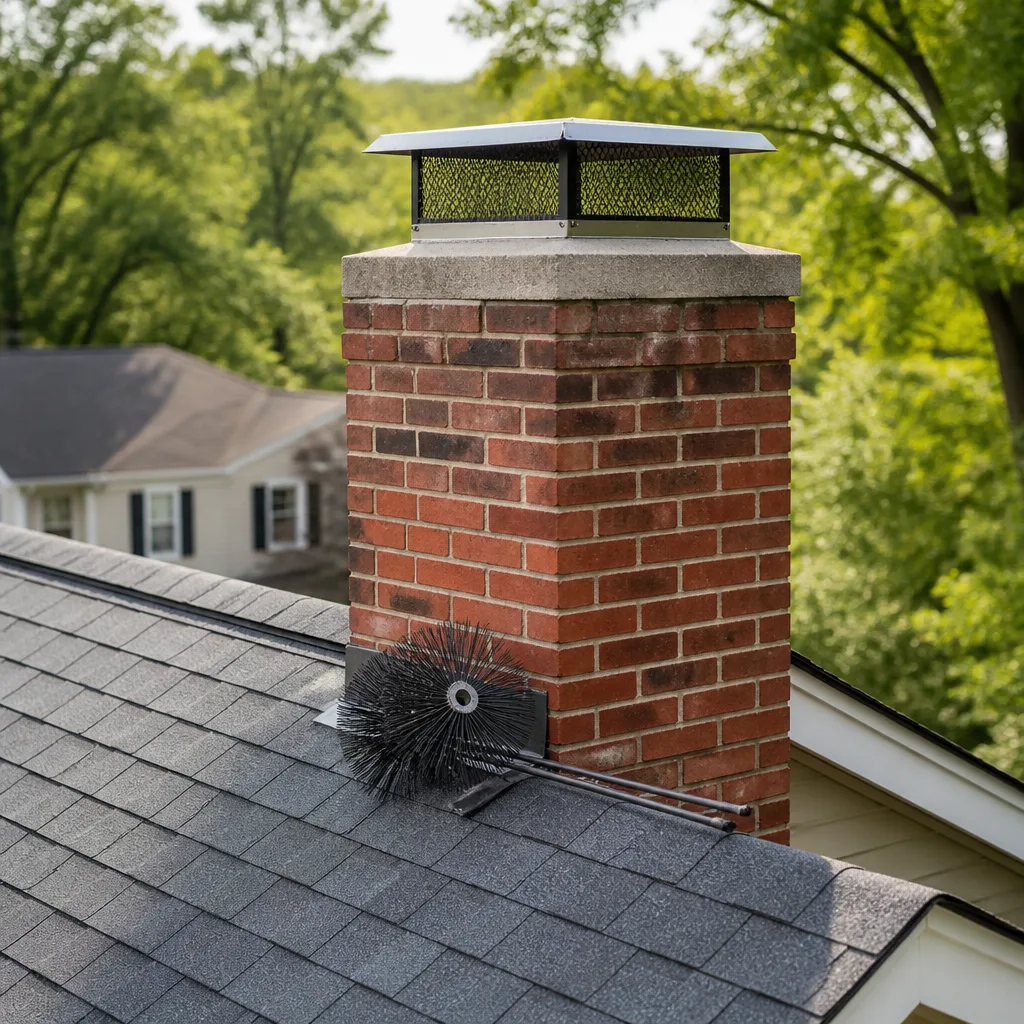
 Caps & crowns
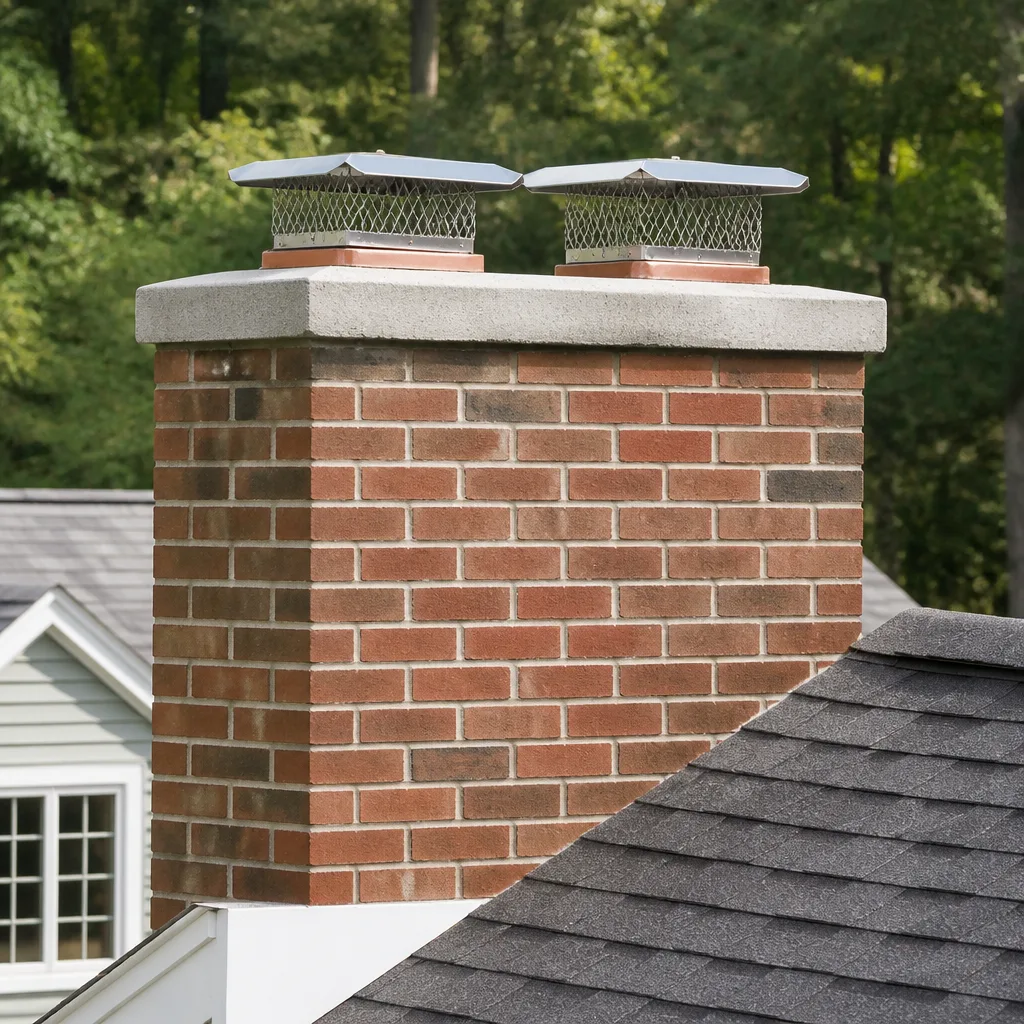
 Flue relining
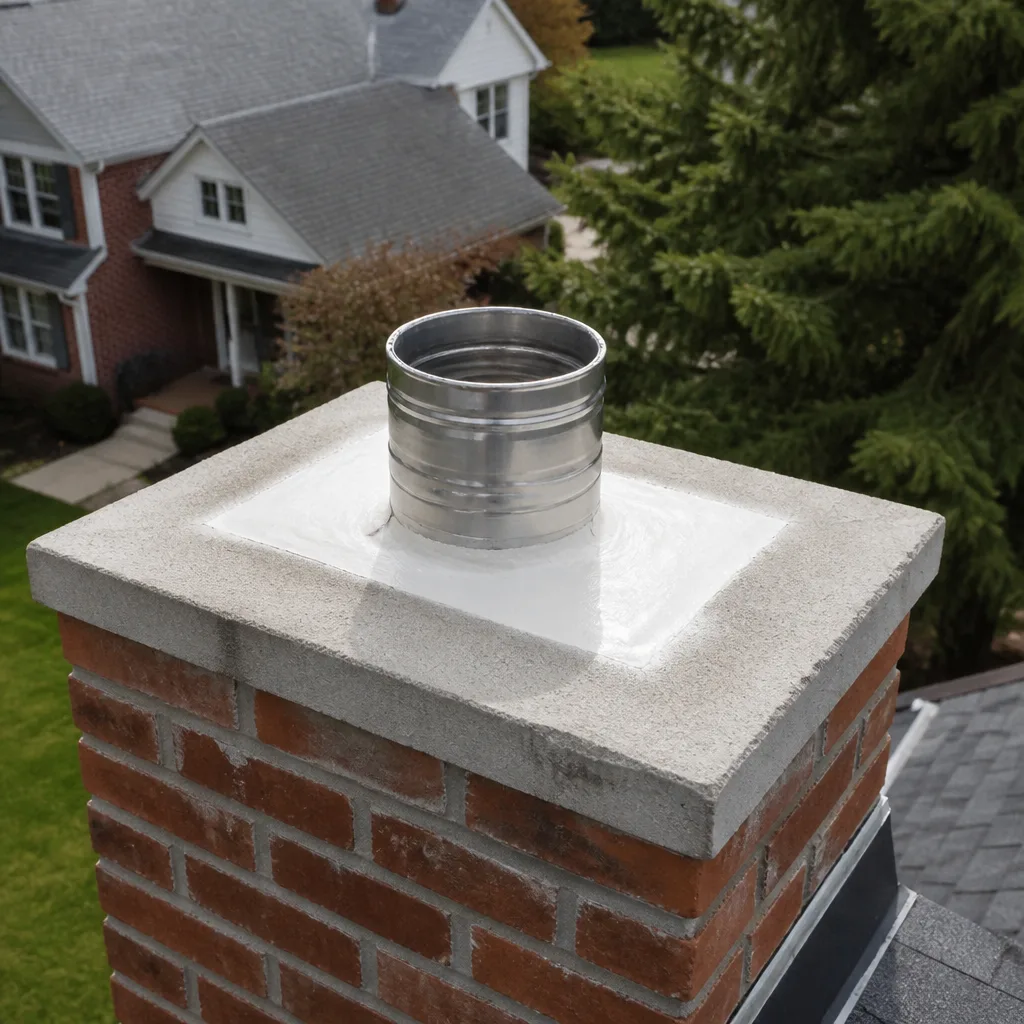
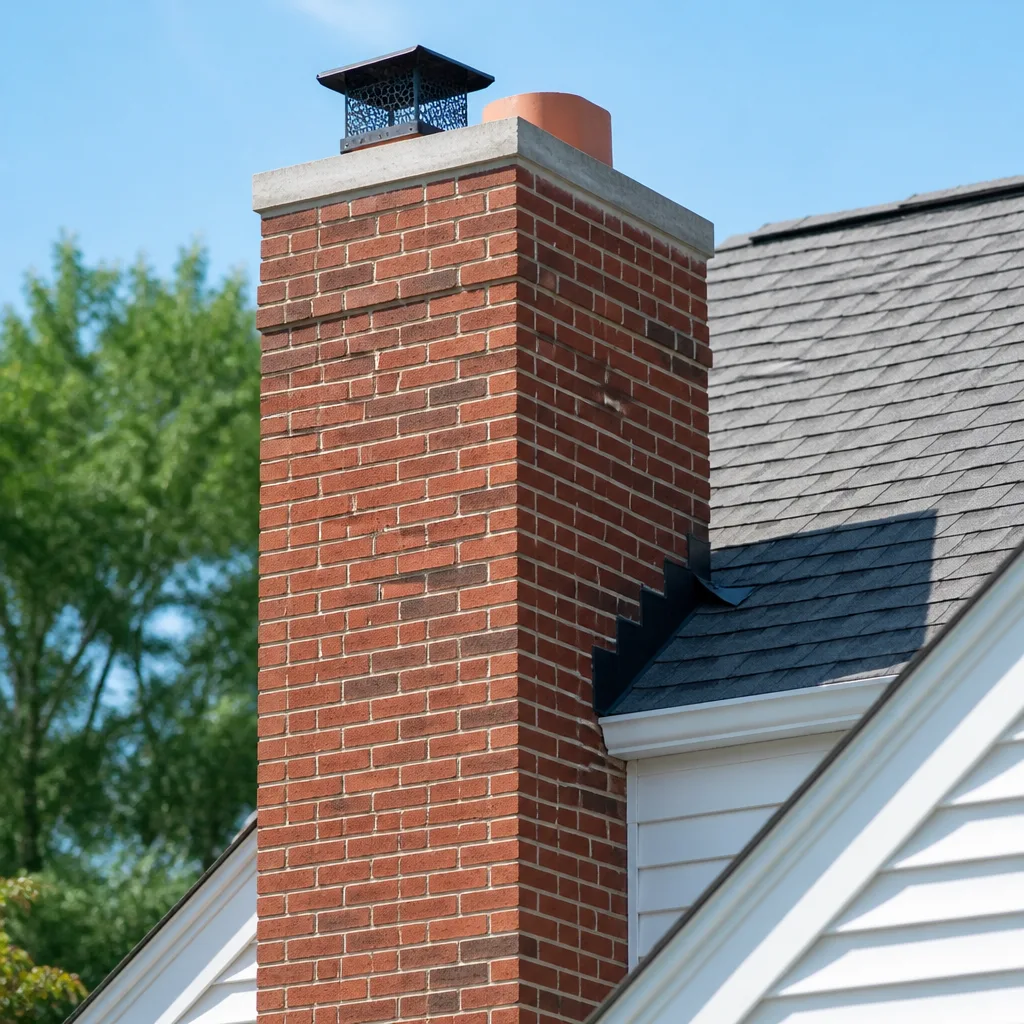 Masonry repair
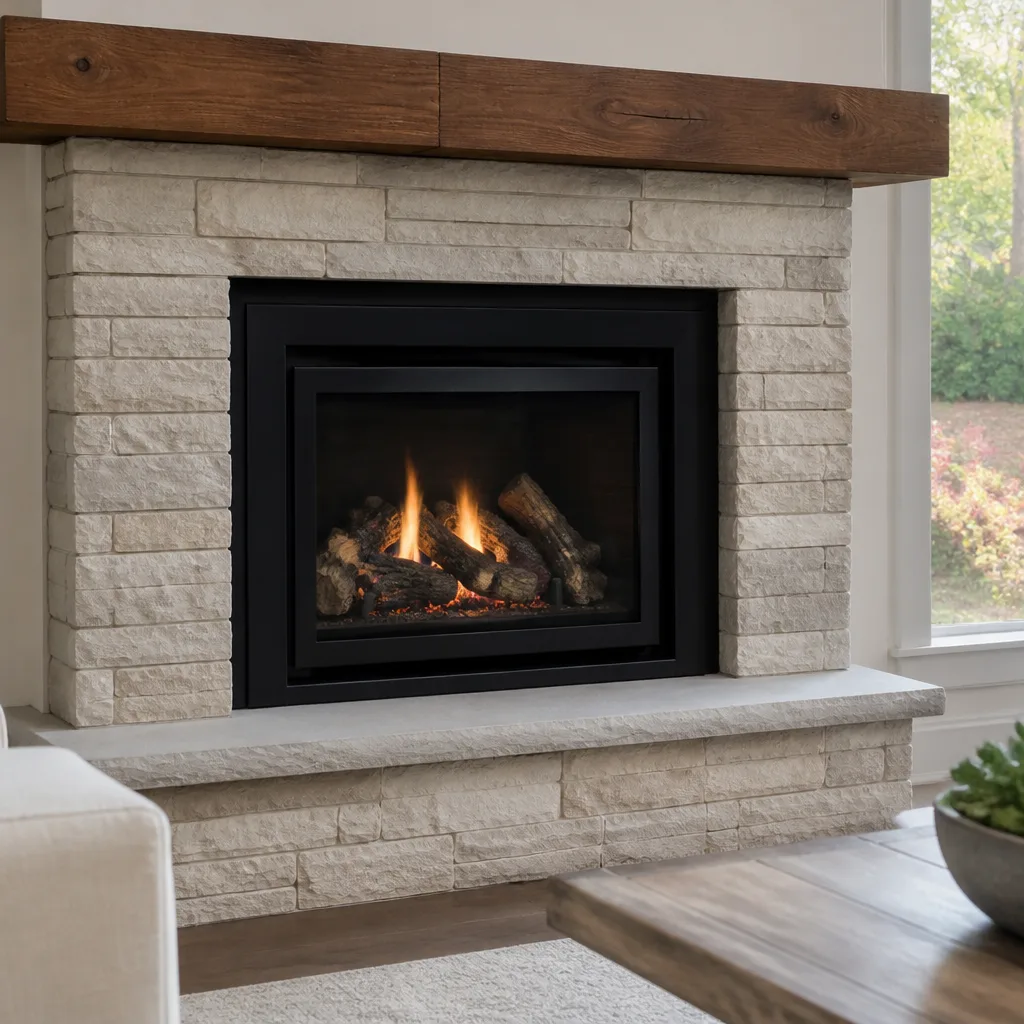 Gas fireplace service
Level 1 sweep and inspection to the NFPA 211 annual standard - flue, crown, cap, and flashing checked and photographed
Chimney sweep logs do not sweep chimneys. They loosen some creosote - which then falls where a brush and vacuum still have to collect it.
How to Hire a Chimney Cleaning Contractor in Pacific Palisades: A Step-by-Step Guide
CSIA certification is the floor, not the ceiling. A sweep can pass the certification exam without ever having installed a liner, diagnosed a smoke chamber crack, or sourced a Gelco or Famco damper system. Which means credentials alone don’t tell you whether the contractor standing in your living room can handle what they find once they’re on the roof. In Pacific Palisades, that gap matters. The housing stock runs from mid-century ranch homes with original masonry fireplaces to newer builds with factory-built systems, and a contractor who only knows how to run a brush will hand you a recommendation they can’t execute. This guide gives you a concrete framework, built around what a qualified contractor must know, carry, and disclose before the job starts, so you can tell the two apart.
Quick Answer
Hiring a chimney cleaning contractor in Pacific Palisades means verifying four things in order: current CSIA or equivalent certification, general liability insurance and workers’ comp, documented liner and repair experience with professional-grade brands like DuraFlex and HeatShield, and a written inspection report with photos that you can read and understand. Ask for all four before you book. A contractor who can’t produce them is not a chimney specialist, regardless of what the truck says.
Styles & brands we work with
- Sweep & inspection
- Caps & crowns
- Flue relining
- Masonry repair
- Gas fireplace service
Table of Contents
- Why Hiring a Chimney Contractor in Pacific Palisades Is Harder Than It Looks
- What Credentials Should You Verify Before Booking?
- What Questions Should You Ask About Liner and Repair Experience?
- How Do You Read a Written Chimney Inspection Report?
- What Red Flags Come With the Post-Wildfire Contractor Surge?
- What Insurance and Licensing Do Chimney Contractors Need in Los Angeles County?
- How Do You Verify a Repair Recommendation Is Real?
- A Step-by-Step Hiring Process You Can Follow
Why Hiring a Chimney Contractor in Pacific Palisades Is Harder Than It Looks
The market here mixes two very different kinds of operator. On one side are full-system chimney specialists who inspect, sweep, reline, rebuild crowns, and repair fireboxes. On the other are general handymen who own a shop-vac and a brush and will sweep a flue for a low price, then refer out anything they can’t handle. The problem is that both kinds show up on the same search pages, both have reviews, and both will tell you your chimney “looks fine.” Only one of them can actually verify that claim.
The housing stock adds a second layer of difficulty. Many Pacific Palisades homes were built in the decades when masonry fireplaces were standard, and those flues have had sixty or seventy years of use. Clay tile liners crack. Mortar joints erode. Crowns develop hairline cracks that let water into the structure. A sweep who only looks up the flue from the firebox sees maybe a third of that picture. A specialist with a camera sees the rest.
The third factor is the seasonal pattern. Los Angeles fireplaces often sit unused from spring through fall and then come back into service when the evenings cool. That long dormancy hides problems. A cracked crown that wouldn’t matter much in a wet climate still lets in the occasional rain, and a flue that sat idle for months can have nests, debris, or a partially detached liner tile. Hiring well means hiring someone who checks before the first fire of the season, not after a problem shows up.
None of this is complicated once you know what to look for. The rest of this guide is the checklist.
What Credentials Should You Verify Before Booking?
Verify three credentials before you book: chimney certification from a recognized body such as the CSIA, a current certificate of general liability insurance, and workers’ compensation coverage for the crew. Ask for documentation, not verbal assurances. A contractor who can’t email you an insurance certificate in ten minutes is a contractor you shouldn’t let on your roof.
Here’s what each one actually tells you.
- Chimney certification. A CSIA credential confirms the technician passed a written exam on chimney construction, venting, and safety. It does not confirm they’ve installed a liner, diagnosed a smoke chamber, or done structural repair. Treat it as evidence of baseline knowledge, not as a substitute for asking about the work.
- General liability insurance. If a technician drops a camera down your flue and cracks a tile, or a ladder takes out a roof tile, liability coverage is what pays for it. Ask for the certificate and check that the policy is current, not expired.
- Workers’ compensation. If someone is injured on your property and the contractor doesn’t carry workers’ comp, the claim can land on your homeowner’s policy. This is the credential homeowners skip most often and the one that matters most.
In Pacific Palisades, where many homes have steep or complex rooflines and tile roofs that are expensive to replace, the insurance question takes on extra weight. A contractor without proper coverage is a financial risk to you, not just a quality risk. Ask for the certificate before the appointment, not after.
What Questions Should You Ask About Liner and Repair Experience?
Ask five specific questions about liner and repair work, and listen for specific answers. A contractor who does full-system work will answer with brand names, methods, and conditions. A sweep-only operator will answer in generalities or change the subject back to cleaning.
- “What liner systems do you install, and who manufactures them?” A full-system contractor will name professional-grade products: DuraFlex flexible liner systems for relining aging flues, HeatShield for ceramic flue resurfacing, Olympia Chimney for liner and venting components, Copperfield for related system parts. If the answer is a generic “we use a stainless liner,” ask which brand and why. Brand specificity is a proxy for real installation experience.
- “When is HeatShield appropriate, and when is a full liner required?” HeatShield is a ceramic resurfacing system applied to the interior of a clay flue. It can restore a chimney without a full reline when the flue’s structure is sound enough to hold the coating. A contractor who understands the difference will explain the conditions. One who’s only read about it will say “we don’t do that” or “you always need a liner.”
- “Do you install caps and crowns, or do you refer that out?” Cap and crown work is where a lot of water damage begins and ends. A specialist handles it in-house. A sweep-only operator will hand you a phone number for a roofer or mason, and the scope gap between the two trades is where mistakes happen.
- “Can you show me photos from a past liner installation?” Not the job, yours. Photos from a prior job, showing proper liner termination at the top and the appliance connection at the bottom, tell you whether the contractor has actually done the work.
- “What’s your process when you find a cracked smoke chamber or a damaged damper?” The answer should be diagnostic first: camera inspection, written findings, then a recommendation with options. If the answer jumps straight to “we’ll need to rebuild it,” you’re talking to a salesperson.
Write these questions down before the call. The answers sort contractors faster than any review page. If you want a sense of what a full-system scope looks like in practice, our Chimney Sweep Pacific Palisades page lays out the five service categories we cover.
How Do You Read a Written Chimney Inspection Report?
A legitimate post-sweep inspection report has four components: the inspection level performed, a description of the chimney’s components as found, photographed findings with locations, and a recommendation with the reasoning behind it. A vague one-line receipt has none of these. If you receive a document that says “chimney swept, all clear” and nothing more, you have not received an inspection. You’ve received a receipt.
Here’s what to look for, line by line.
- The inspection level. Chimney inspections are classified by scope. A Level 1 is a visual check of accessible components. A Level 2 includes a video camera scan of the flue interior and is required for most changes in use, including a new appliance, a fuel change, or a real estate transaction. A Level 3 opens concealed areas and is rare. The report should state which level was performed and why.
- Component-by-component findings. The report should list the firebox, damper, smoke chamber, flue, crown, cap, and exterior structure separately. “Chimney in good condition” is not a finding. “Firebox: minor mortar joint erosion at rear wall, monitor” is a finding.
- Photographic evidence with locations. Every recommendation should be tied to a photo the technician can show you. “Cracked crown at northeast corner” with a photo is verifiable. “Crown needs repair” without a photo is not.
- A recommendation with reasoning. Not just “recommend relining” but “recommend relining because the camera showed three separated tiles in the upper flue, which is a fire exposure risk.” You should be able to understand the reasoning without a technical background.
If any of these are missing, ask for them before you authorize any repair work. A contractor who inspects first and recommends second will provide all four. One who recommends first and inspects second will fight you on it. A standalone chimney sweep visit should still leave you with a written record of what was found, even if no cleaning was performed.
What Red Flags Come With the Post-Wildfire Contractor Surge?
After a major regional event, the contractor pool in Pacific Palisades fills with operators from outside the area. Some are legitimate. Some are opportunists who follow disasters and work a market for a season. The red flags below show up repeatedly in this pattern, and knowing them in advance is the best defense.
- Prices quoted before the inspection. A legitimate contractor inspects before pricing. A contractor who quotes a full reline over the phone, without seeing your flue, is selling a product, not a service.
- Waived or “free” inspections used as a sales hook. An inspection is a diagnostic. If it’s free, it’s not the product being sold. The product is whatever gets recommended at the end.
- Pressure to skip a Level 2 evaluation. A contractor who tells you a Level 2 camera scan isn’t necessary and that a quick sweep will do has just told you they can’t do a Level 2.
- Recommendations without documentation. If you can’t see the camera footage or the photos, you can’t verify the recommendation. A good specialist will show you the footage as a matter of course.
- Cash-only, no written estimate. Legitimate chimney work involves a written scope of work and a written estimate. If those don’t exist, walk away.
- Out-of-area plates with no local references. Not a red flag on its own; a contractor may work a wide region. Combined with pressure tactics, it’s a pattern.
The surge also produces a quieter problem: legitimate contractors who are overbooked and rushing. Ask how long the inspection will take. A proper Level 2 with camera scan takes real time. If the answer is “twenty minutes,” you’re getting a Level 1 and being told it’s a Level 2.
What Insurance and Licensing Do Chimney Contractors Need in Los Angeles County?
Chimney work in Los Angeles County falls under general contractor licensing rules for the structural and installation portions, and contractors must carry a state-issued license for work above a certain dollar threshold, along with the insurance coverage that license requires. Ask for the license number and check it against the state’s contractor database, and separately ask for a certificate of insurance showing both general liability and workers’ compensation.
The licensing picture can be confusing because sweeping and inspection alone often don’t trigger the same requirements as installation and repair. A contractor who only sweeps may not need a contractor license for the sweep itself. A contractor who installs a liner, rebuilds a crown, or repairs a firebox does. This is why the full-system question matters: it forces the contractor to tell you which category they’re in.
For the homeowner, the practical checklist is:
- Ask for the license number in writing, and verify it independently rather than trusting a business card.
- Ask for a certificate of insurance with your address listed, or at minimum a current certificate that names the policyholder and the coverage dates.
- Ask whether the crew that will be on your roof is employed or subcontracted, and whether workers’ comp covers both.
- Ask for a written scope of work before the job starts, including what happens if additional damage is found.
In Pacific Palisades, tile roofs and distinctive architecture mean a dropped tool can cause real damage. That’s an insurance question, not a courtesy question. A contractor who hesitates to provide the certificate is telling you something.
How Do You Verify a Repair Recommendation Is Real?
Verify by asking for the camera footage, the photos, and the reasoning, and by declining to authorize anything until you’ve seen all three. A good specialist will show you the footage without being asked. A contractor who can’t produce documentation is asking you to trust a verbal claim about a part of your house you can’t see.
The verification process is straightforward:
- See the footage. Camera inspection footage of the flue interior is standard for a Level 2. If a liner is described as damaged, you should be able to see the damage on the screen.
- See the photos of the exterior. Crown cracks, cap damage, and spalling masonry are all visible. You should be shown them at the time of the inspection, not described to you afterward.
- Hear the reasoning. “Your flue has a fire exposure risk because of tile separation in the upper section” is a reason. “Your flue needs to be replaced” is a conclusion without a reason.
- Ask what happens if you wait. A good contractor will tell you when a problem is safe to monitor and when it isn’t. If everything is urgent, nothing is.
- Get the scope in writing. The written estimate should list the specific work, the materials, and the brand of the components being installed. A written estimate that says “chimney repair” without detail is a placeholder.
In our experience, the largest source of homeowner anxiety is the gap between a recommendation and the evidence behind it. We close that gap by treating inspection as a standalone diagnostic. A homeowner can book a diagnostic visit without a cleaning and receive the footage and the written report independent of any repair recommendation. If you later decide to proceed with chimney cap & crown work or a fireplace repair, the scope is already documented.
A Step-by-Step Hiring Process You Can Follow
Here is the sequence in order. Each step builds on the one before it, and you can stop at any point if the answers don’t hold up.
- Search locally and make a short list. Include at least three contractors who explicitly offer full-system chimney work, not just sweeping. Check that they list liner installation and cap and crown work on their service pages.
- Ask the credential questions on the phone. Certification, general liability, workers’ comp. Ask for the certificate to be emailed before the appointment.
- Ask the five liner and repair questions. Listen for brand names and specific conditions. DuraFlex, HeatShield, Olympia Chimney, and Copperfield are all signs of professional-tier sourcing.
- Book an inspection, not a cleaning. A Level 2 with camera scan is the diagnostic baseline for a chimney that’s had sixty years of use or a recent change in how it’s used. If the contractor only offers a sweep, find another.
- Review the report before authorizing anything. Read the inspection level, the component findings, the photos, and the recommendations. Ask follow-up questions on anything that isn’t clear.
- Get a written estimate for any recommended work. The estimate should list the specific brand and method. If a full reline is recommended, ask whether HeatShield resurfacing could work instead, and why or why not.
- Compare and decide. If two contractors give you different recommendations, ask both to explain the reasoning. One of them will be able to point to evidence on the footage. The other won’t.
The whole process takes more time than a single phone call. It also takes less time than discovering a year later that the “reline” you paid for was a liner sized wrong or a crown patched with caulk. For a Pacific Palisades homeowner with an older masonry fireplace, the diligence is worth the effort.
Common Mistakes to Avoid
- Hiring on price alone. A low-priced sweep often means a sweep-only contractor, and a sweep-only contractor will refer out anything structural. You end up paying twice.
- Accepting a verbal inspection. “Your chimney looks fine” is not a finding. Get it in writing, with photos, or it didn’t happen.
- Skipping the Level 2 when it’s warranted. A Level 1 visual check won’t see liner tile separation above the smoke shelf. If your chimney has seen decades of use, ask for the camera.
- Authorizing a reline without asking about HeatShield. In some flues, ceramic resurfacing restores the chimney without a full liner. In others, only a liner will do. The answer depends on the flue’s structure, and the contractor should be able to explain which applies to yours.
- Not verifying insurance. When a crew is on a Pacific Palisades tile roof, the insurance certificate is the thing standing between a broken tile and a homeowner claim. Ask for it before the truck arrives.
- Overlooking the cap and crown. A missing or damaged cap is one of the most common causes of water intrusion into a chimney. It’s a small repair that prevents a large one, and it’s easy to skip if nobody mentions it.
- Booking a cleaning and calling it an inspection. These are two different services. A cleaning removes creosote. An inspection tells you whether the system is safe to use. A contractor who conflates the two is telling you which one they actually do.
See the difference
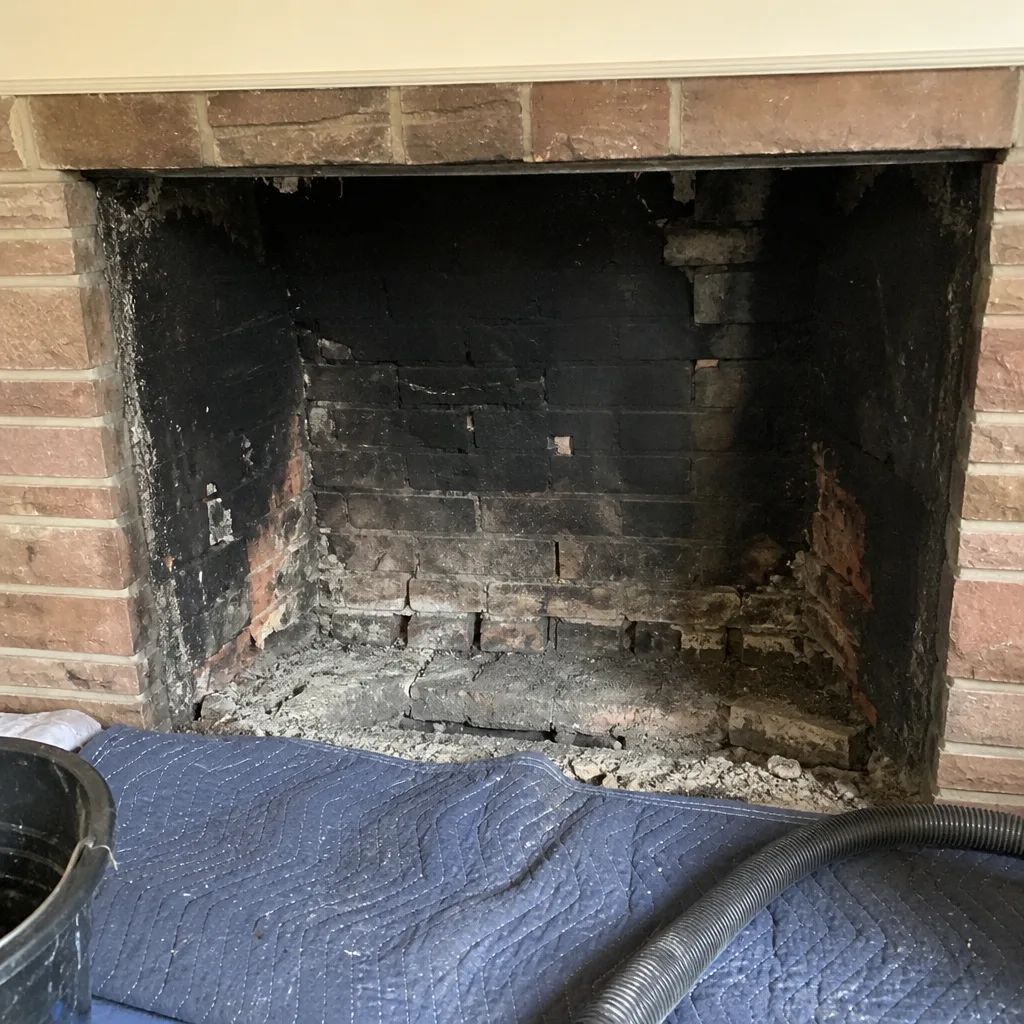 Before
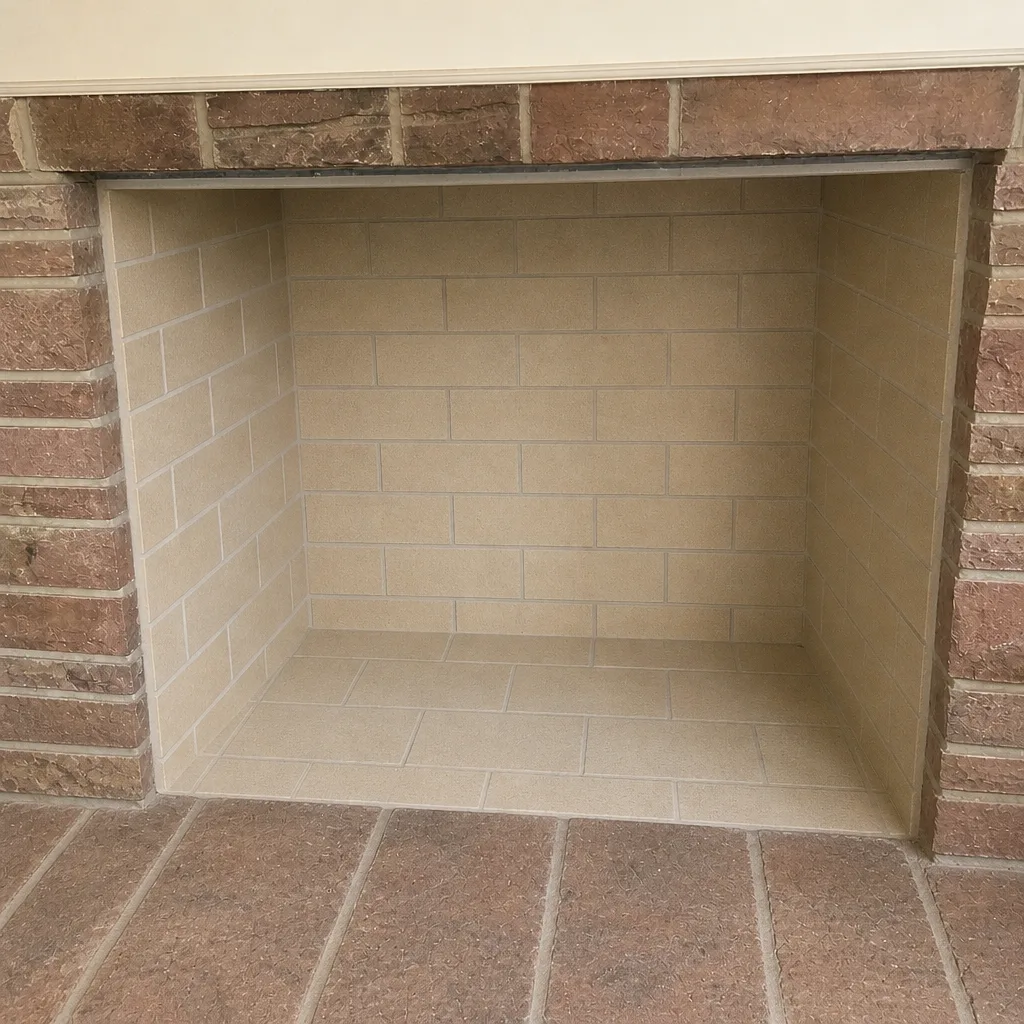 After
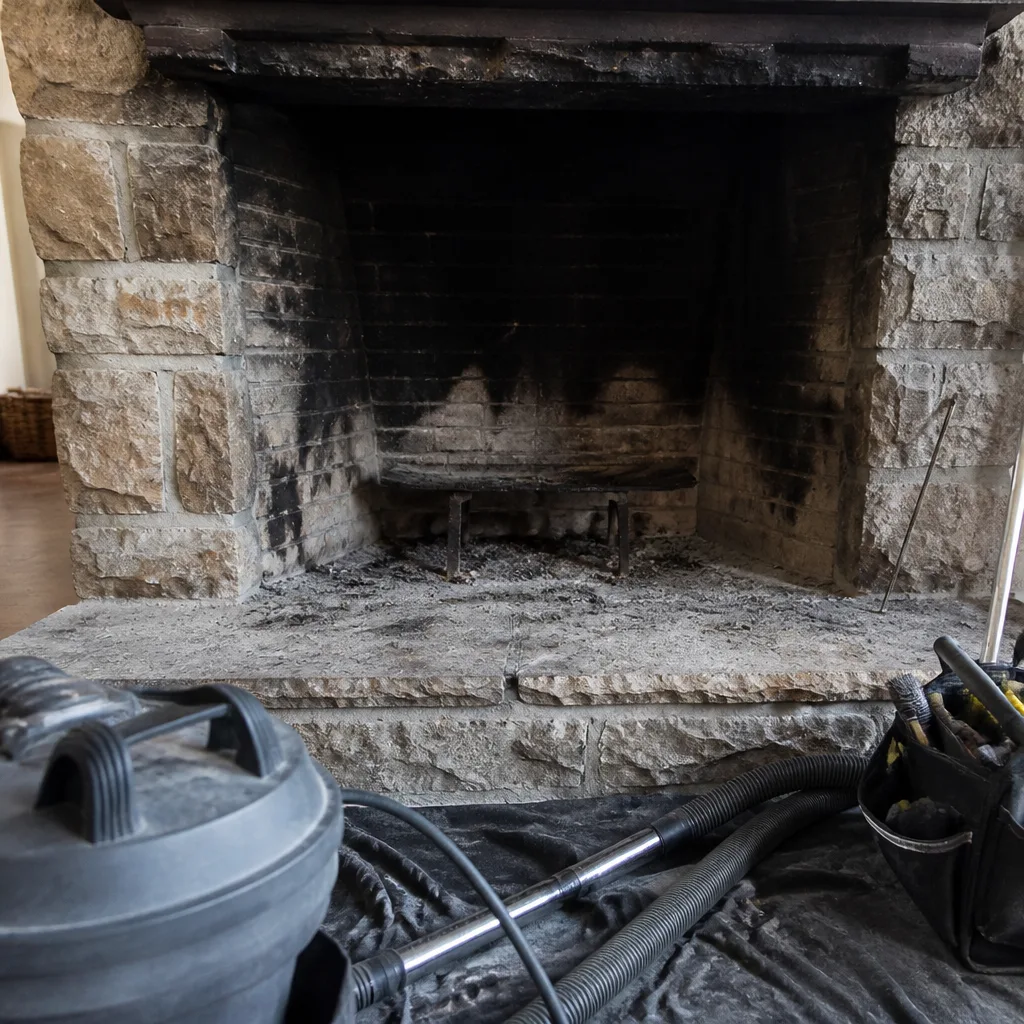 Before
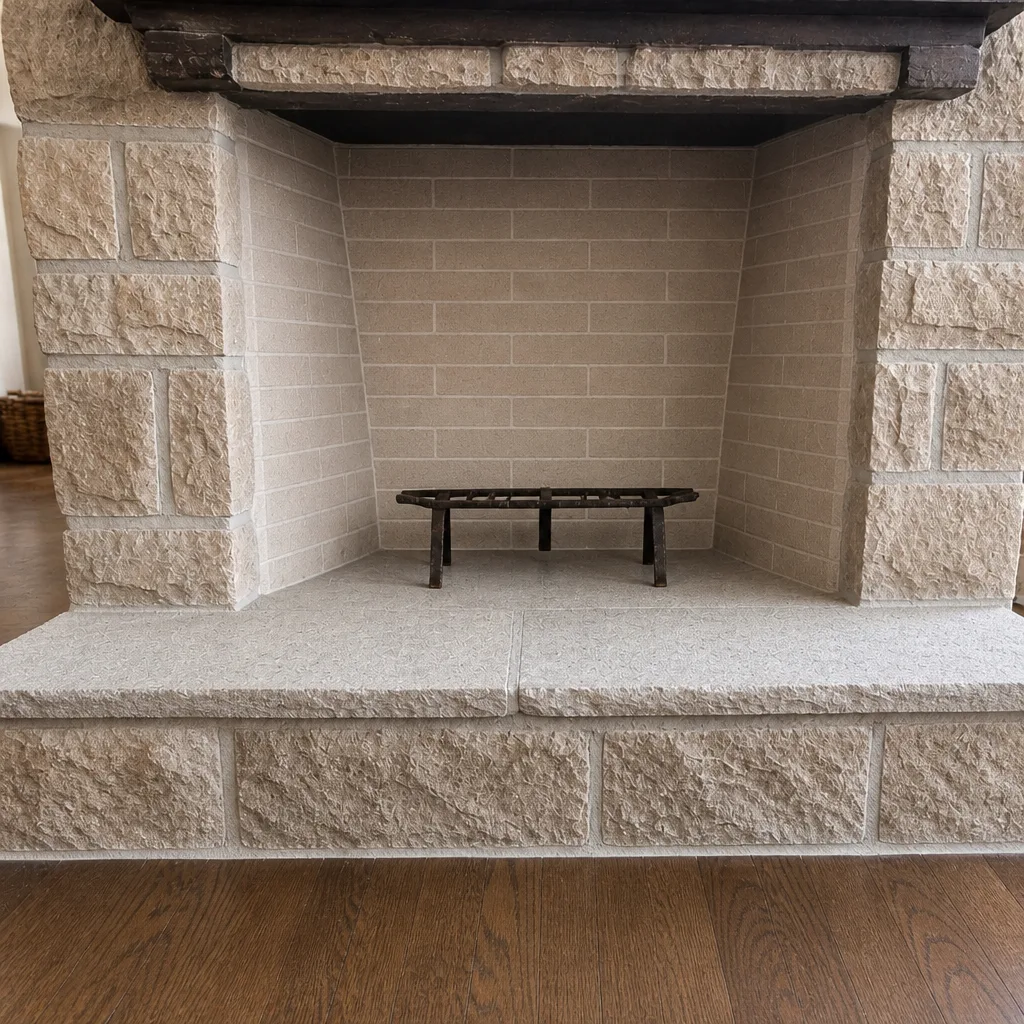 After
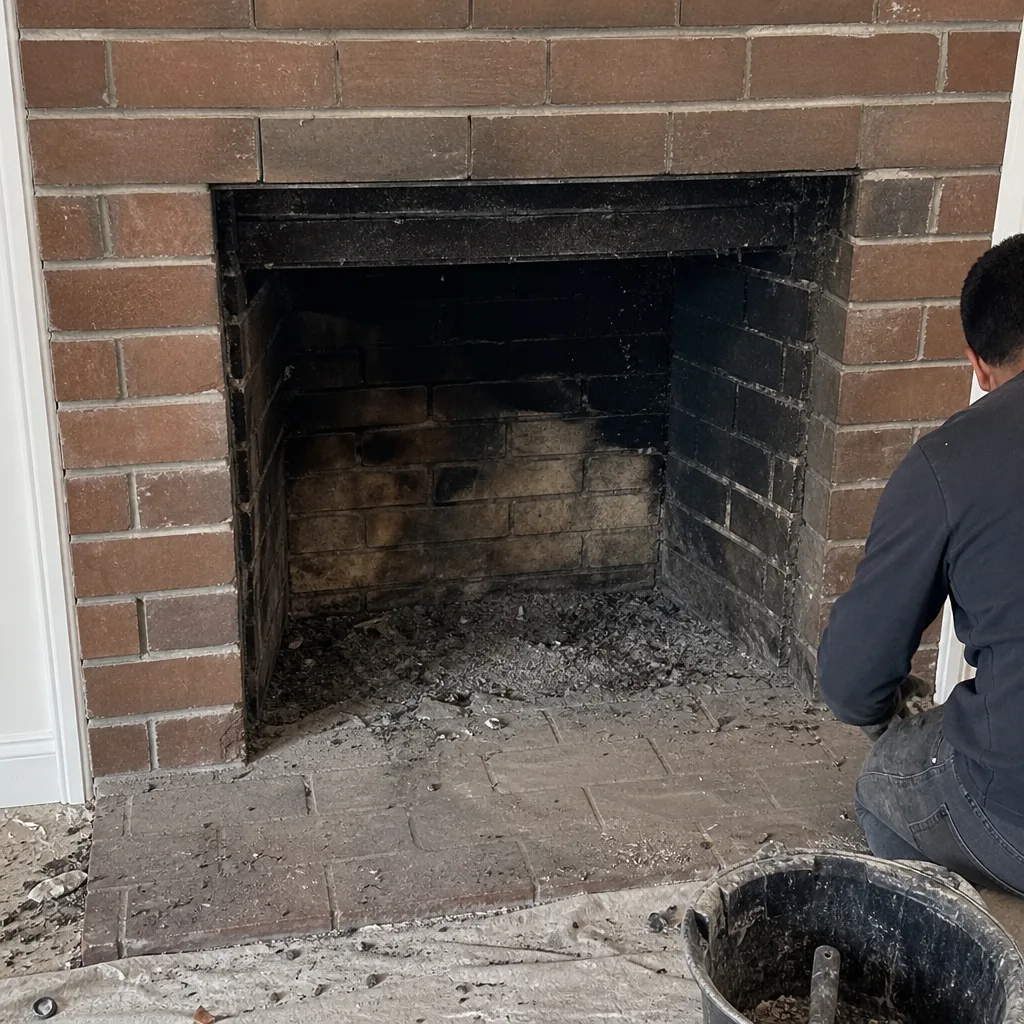 Before
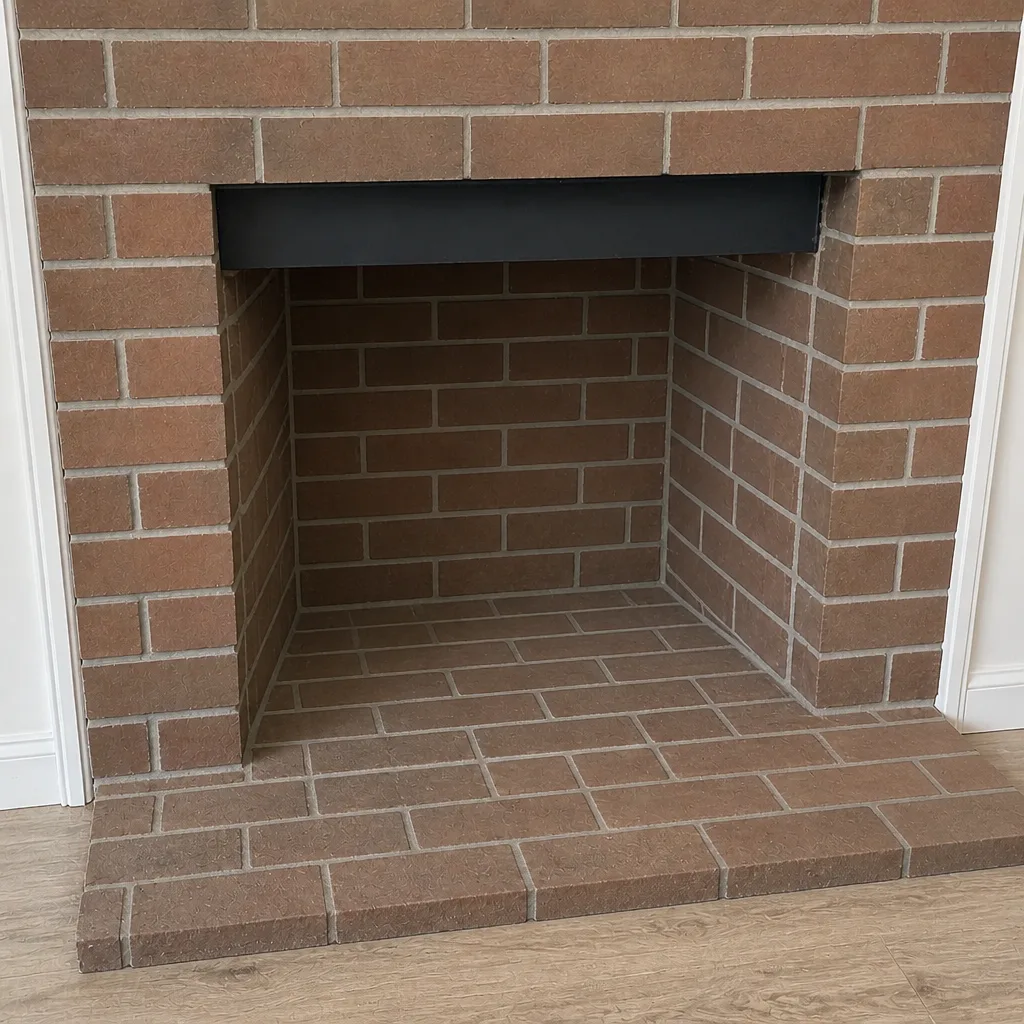 After
When to Call a Professional
Call a chimney professional when the fireplace has sat unused for a season, when you’re buying or selling a home with a fireplace, when you’ve noticed smoke backing into the room, when the damper feels stiff or won’t close, when the firebox shows crumbling mortar, or when the crown or cap shows visible damage from the ground. Any of these warrant a diagnostic visit, not a guess. Carbon monoxide exposure and chimney fires are the two risks that make this a safety call rather than a maintenance one. Chimney Sweep Pacific Palisades offers free estimates in Pacific Palisades. Call (855) 531-2802. We answer 24/7. Fast dispatch from 7am to 7pm, Sunday through Friday.
Frequently Asked Questions
A sweep is enough if your chimney is in good condition and only needs cleaning. A full-system contractor is what you need if the inspection finds liner damage, crown cracks, a damaged damper, or firebox deterioration. The problem is that you don’t know which category you’re in until someone looks. Hiring a full-system contractor for the first inspection means you don’t have to start over if the findings turn up something structural.
Ask to see the camera footage and the photos. A legitimate recommendation is tied to documented findings you can see on the screen. If a contractor can’t or won’t show you the footage, the recommendation isn’t verifiable, and you shouldn’t authorize the work. In Pacific Palisades, where many fireplaces have liners that are decades old, camera inspection is the standard diagnostic for anything above a basic sweep.
Look for professional-tier brands that are specified by certified chimney professionals rather than general construction suppliers. DuraFlex for flexible liner systems, HeatShield for ceramic flue resurfacing, Olympia Chimney for liner and venting components, Copperfield for related system parts. Brand names matter because the components are the part of the job you can’t see once the work is finished.
An annual inspection is the general standard for a chimney in regular use, and for a fireplace that’s used seasonally, an inspection before the first fire of the season is the practical version of that rule. If your home has an older masonry chimney or you’ve never had it inspected, book a Level 2 with camera scan first. The findings will tell you how often you need to return.
Verify a state contractor license for any installation or repair work, general liability insurance, and workers’ compensation coverage. Ask for the certificate of insurance in writing and check the license number against the state database. Sweeping alone may not require the same licensing as installation, which is one more reason to ask whether the contractor does full-system work or only cleaning.
Yes. Inspection and cleaning are separate services, and you can book a diagnostic inspection on its own. That’s the right call if you want to know the condition of the chimney before authorizing any work. You’ll receive the findings and photos, and you can decide separately whether a cleaning or repair is needed. Call (855) 531-2802 for an exact quote. Estimates are free.
The Bottom Line
Hiring a chimney contractor in Pacific Palisades comes down to verification. Confirm certification, insurance, and workers’ comp in writing. Ask about liner and repair experience using specific brand names, and listen for specific answers. Request a Level 2 inspection with camera footage and a written report. Review the findings before authorizing any repair, and ask whether HeatShield resurfacing could work instead of a full reline. None of these steps guarantee a good outcome on their own, but together they separate the full-system specialists from the sweep-and-refer operators. If you want a diagnostic first and a recommendation second, call (855) 531-2802 for a free estimate.
Written by the team at Chimney Sweep Pacific Palisades.