
Last updated November 22, 2026
 Sweep & inspection
 Caps & crowns
 Flue relining
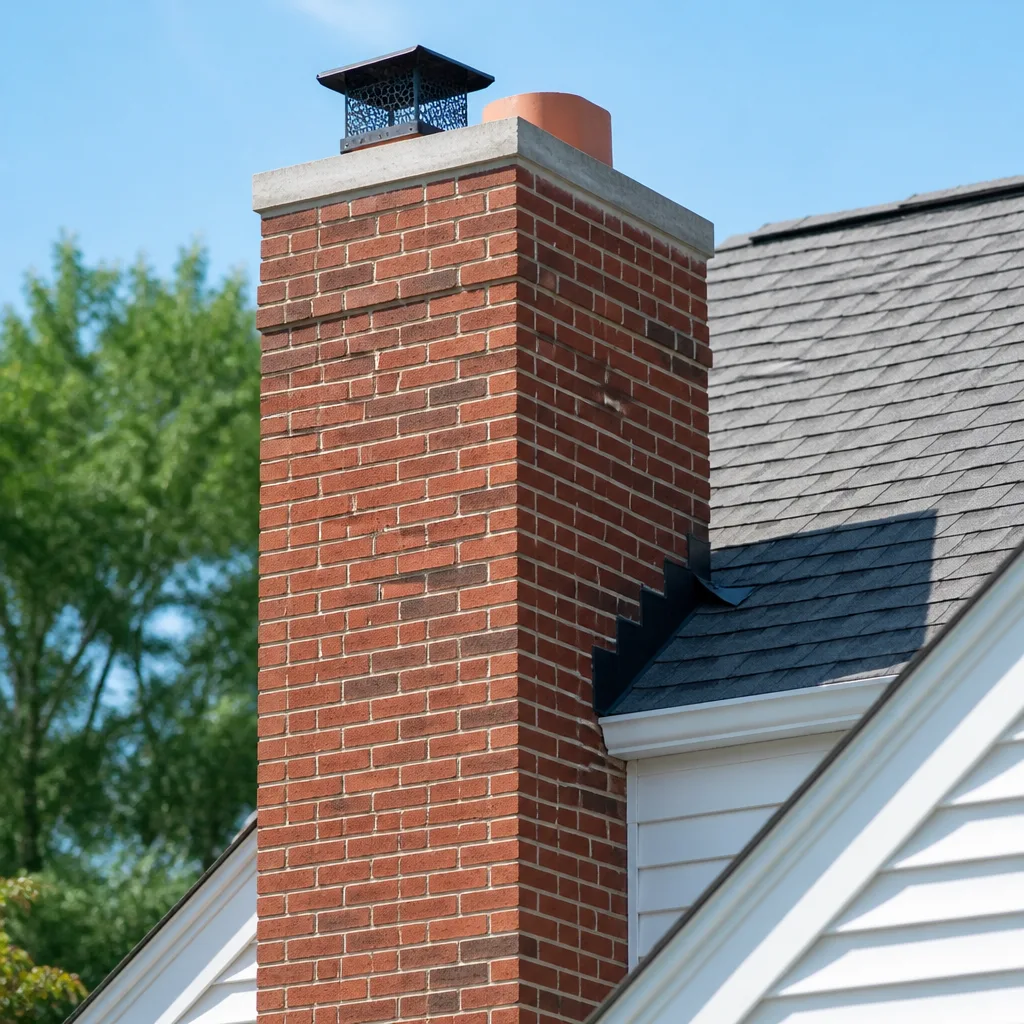 Masonry repair
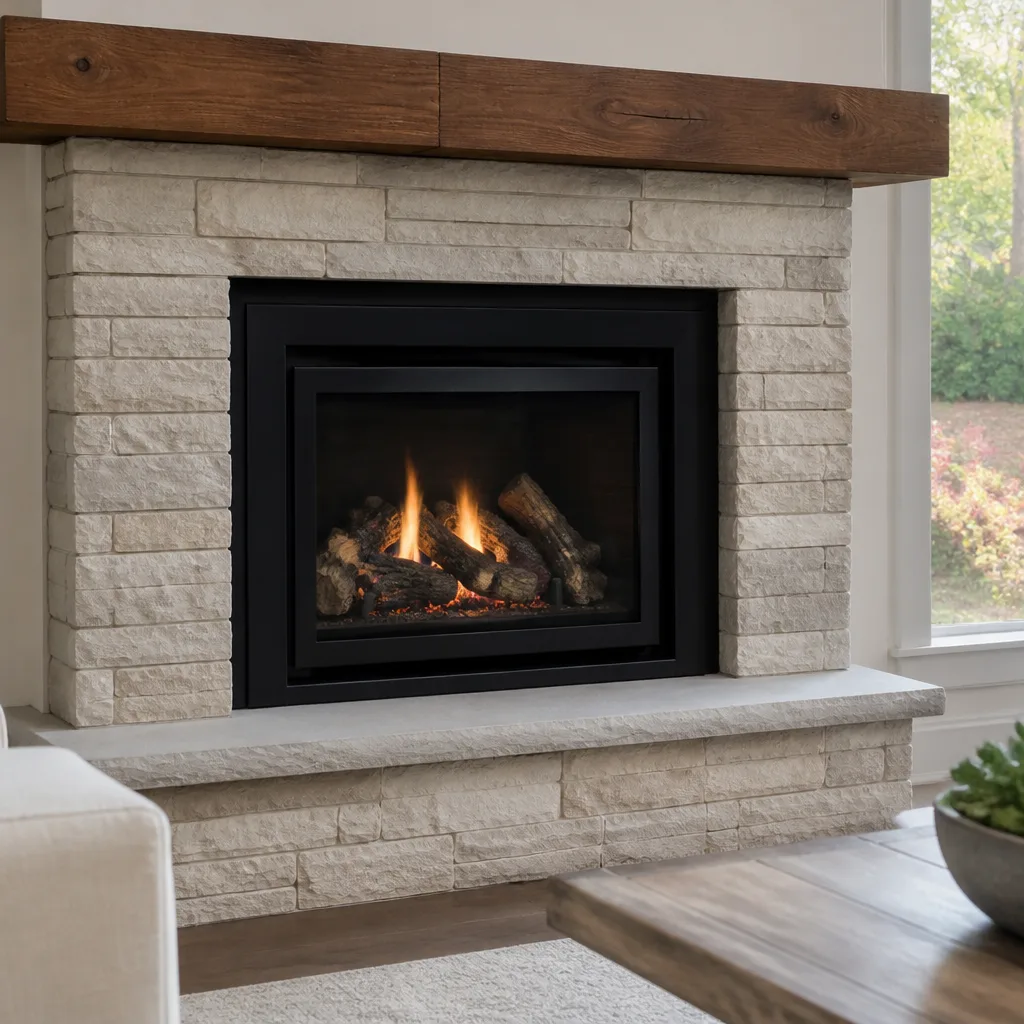 Gas fireplace service
Level 1 sweep and inspection to the NFPA 211 annual standard - flue, crown, cap, and flashing checked and photographed
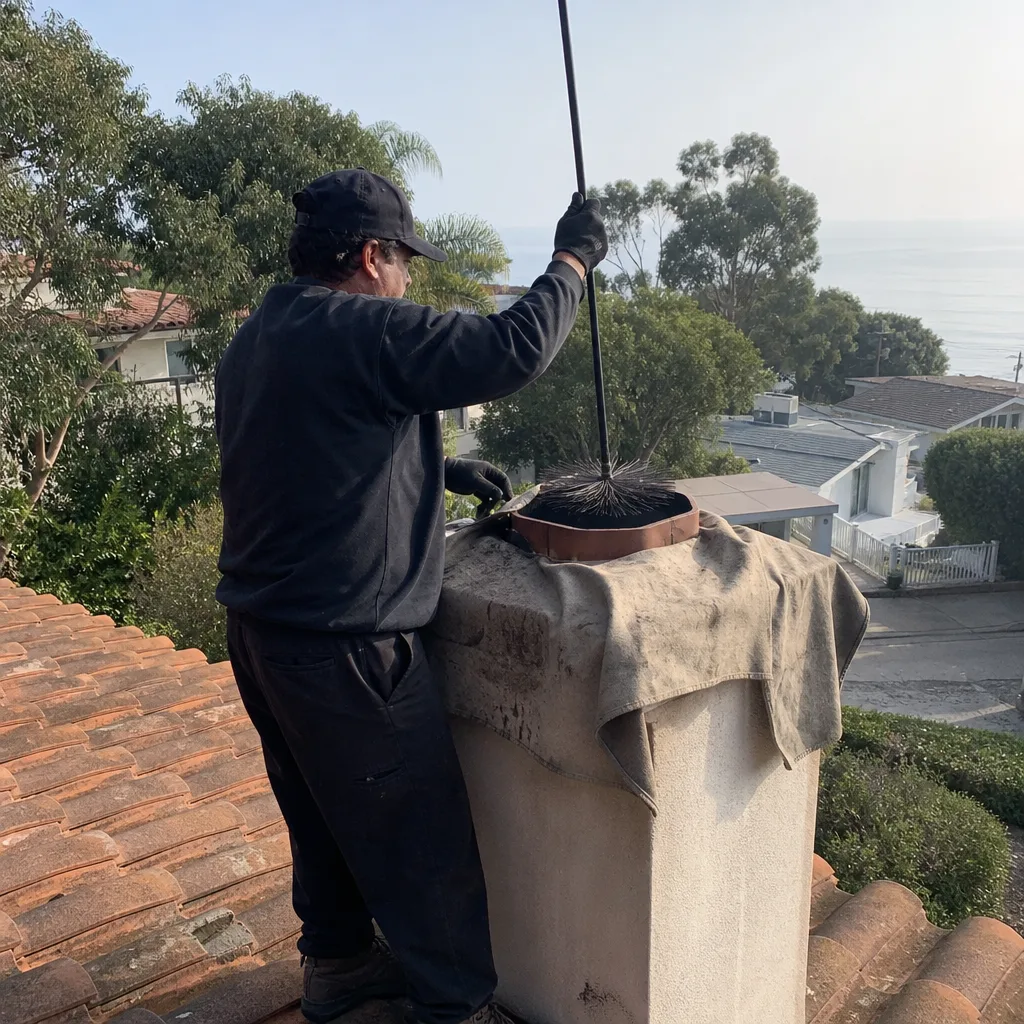
Chimney sweep logs do not sweep chimneys. They loosen some creosote - which then falls where a brush and vacuum still have to collect it.
DIY vs Professional Chimney Cleaning: The Pacific Palisades Homeowner’s Decision Guide
You can buy a chimney brush kit online and run it up your flue this weekend. The flue walls will come out cleaner. And that’s exactly the problem, because a brush removes creosote from the surfaces it can reach while telling you nothing about the liner behind it, the smoke chamber above the damper, or the crown on your roof. In our experience the chimneys that fail are rarely the dirty ones. They’re the ones somebody cleaned and then assumed were safe. This guide walks Pacific Palisades homeowners through what DIY brushing actually accomplishes, what it can’t reveal, and how to decide which parts of the job belong in your hands and which belong with a trained technician.
Quick Answer
A professional chimney sweep in Pacific Palisades is worth the cost whenever you need more than light surface cleaning, which is most of the time. DIY brushing removes first-stage creosote from the flue walls you can reach, but it can’t assess liner integrity, smoke chamber condition, crown cracking or cap status, and those are the parts that cause chimney fires and water damage. Call (855) 531-2802 for a free estimate if you’re unsure which category your chimney falls into.
Styles & brands we work with
- Sweep & inspection
- Caps & crowns
- Flue relining
- Masonry repair
- Gas fireplace service
Table of Contents
- What DIY Brushing Actually Accomplishes
- What a Brush Kit Cannot See
- Why Pacific Palisades Raises the Stakes on a Missed Diagnosis
- What Camera Inspection Reveals That No Brush Can
- Insurance, Liability, and Self-Certifying Chimney Safety
- Where DIY Is Genuinely Reasonable
- What Professional Equipment Actually Does
- Common Mistakes to Avoid
- When to Call a Professional
- Frequently Asked Questions
- The Bottom Line
What DIY Brushing Actually Accomplishes
Let’s be precise about this, because the DIY vs professional chimney cleaning conversation usually turns vague and unhelpful. A homeowner with a brush kit and a shop vacuum can do a real thing: remove stage-one creosote and loose soot from the accessible portion of the flue. Stage-one creosote is the flaky, dusty, lightly crusted deposit that forms after a season or two of normal burning. It brushes off relatively easily. If your chimney is otherwise sound and has been maintained, brushing it does reduce the fuel load inside the flue, and that matters for fire safety.
Here’s what that same brush kit is doing in Pacific Palisades chimneys that have burned for years:
- It removes stage-one creosote but struggles with stage-two and stage-three. Stage-two is the shiny, hardened glaze that bonds to the flue wall. Stage-three is the puffy, tar-like deposit that has baked on. Brushes designed for homeowner use don’t have the mechanical action or the sizing precision to break those down safely.
- It cleans the flue only. The firebox, damper assembly, smoke shelf and smoke chamber are all part of the system. Creosote accumulates in the smoke chamber above the damper, and that’s a spot most homeowner brushes never touch.
- It doesn’t check the liner. A brush passing up a flue tells you the flue is open. It tells you nothing about whether the clay tile liner behind the deposit is cracked, spalling or missing mortar joints.
- It doesn’t touch the exterior. The cap, crown, flashing and masonry above the roofline are where water gets in. A brush kit doesn’t climb a ladder.
The honest summary: DIY brushing is a cleaning task, not a diagnostic one. It does one job reasonably well and gives you zero information about the rest of the system. If you want to know what state your chimney is really in, that’s the Chimney Sweep Pacific Palisades work, and it starts with an inspection rather than a brush.
What a Brush Kit Cannot See
The single biggest gap between DIY and professional chimney cleaning is information. A brush removes deposit. A trained sweep with a camera and a flashlight evaluates structure. Those are different jobs, and only one of them protects your house.
Here’s what a professional sweep is checking while the brush is doing its work:
- Liner integrity. Hairline cracks in clay tile, gaps in mortar joints, and the condition of the liner’s inner face. A cracked liner lets heat and embers reach the framing behind it.
- Smoke chamber condition. The sloped chamber above the damper tends to accumulate glazed creosote. Cracks here are common in older Pacific Palisades homes and are a known chimney fire pathway.
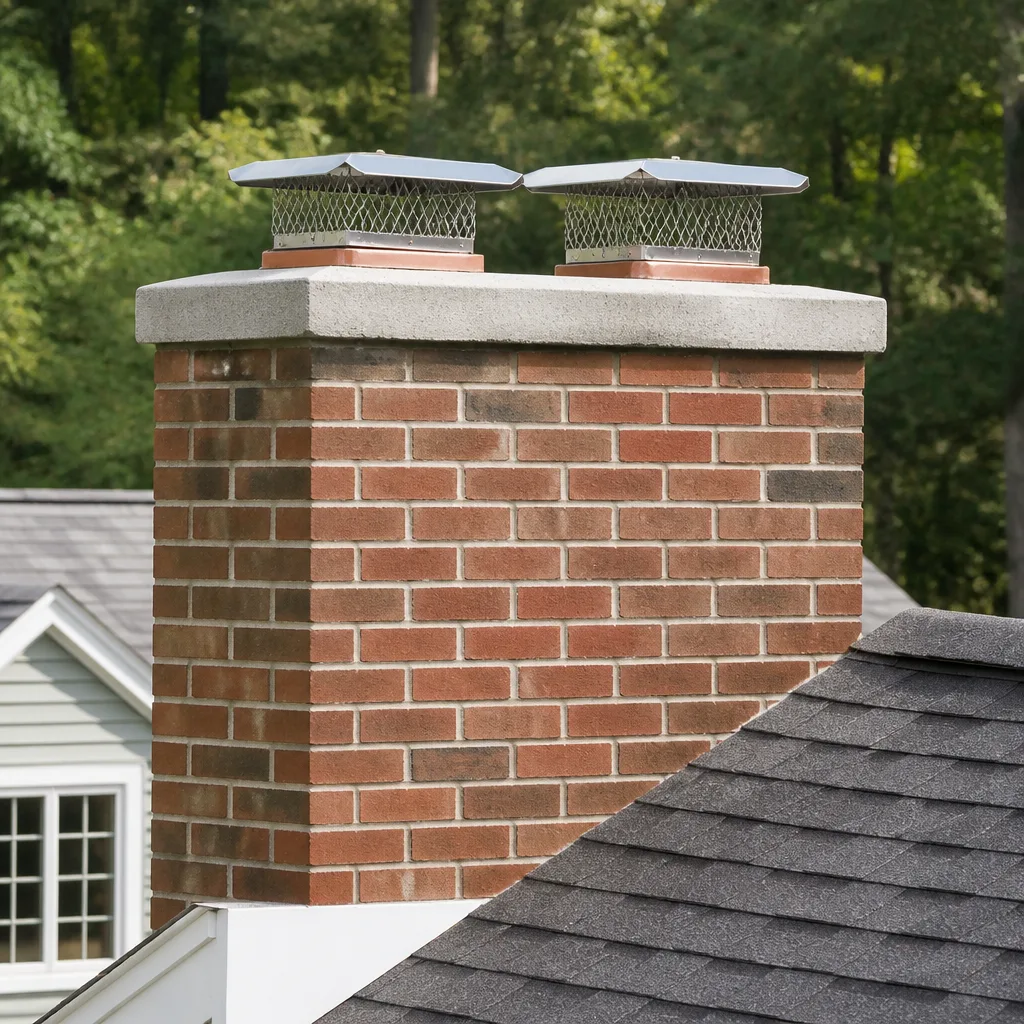
- Crown and cap status. The crown is the concrete top of the chimney that sheds water. Hairline cracks in the crown let water into the masonry, and water is what eventually destroys the structure from the inside. A missing or damaged cap lets rain, birds and debris straight into the flue.
- Flashing seals. Where the chimney meets the roof, the flashing keeps water out. Failed flashing is one of the most common sources of slow water damage in the framing around a chimney.
- Draft and blockage. Nests, leaves, and even a partially collapsed liner can restrict the flue without being visible from the firebox.
- The firebox itself. Cracked firebrick and deteriorated mortar in the firebox are structural issues, and they’re a reason to look at fireplace repair before the next burn season.
None of these appear on a brush’s report card because a brush doesn’t write one. You finish the job having cleaned the chimney and knowing exactly as much about its condition as you did beforehand.
Why Pacific Palisades Raises the Stakes on a Missed Diagnosis
Pacific Palisades sits in a high fire risk zone, and that changes the math on a missed chimney diagnosis in ways that don’t apply to a house in a wet, flat suburb. The risk isn’t just the chimney fire itself. It’s what a chimney fire can mean in a neighborhood where everyone is already thinking hard about fire exposure, defensible space, and how a single ember behaves on a dry canyon evening.
A few Pacific Palisades-specific realities worth understanding:
- Canyon lots often mean difficult access. Homes built into the hillsides and canyons frequently have steep roofs, narrow driveways, and chimneys set at awkward distances from where a ladder can be safely footed. This is exactly the kind of access that professional sweeps plan for and DIY attempts usually abandon partway through.
- Older homes carry more liner wear. Many Pacific Palisades properties date to an era when clay tile liners were installed without the clearances and materials that modern fire-safe construction calls for. Those liners have been through decades of heating cycles. They deserve a real look, not a brush.
- Insurance scrutiny is higher here. In an area with elevated fire risk, insurers ask more questions about chimney condition, and they’re less willing to absorb the cost of a fire they can attribute to deferred maintenance. If you’ve cleaned the chimney yourself and never had it inspected, you have no documentation to show.
- Seasonal burning concentrates the load. Pacific Palisades winters are mild, which means many homeowners burn intermittently across a long stretch of months rather than in a short, intense season. Intermittent burning produces more creosote per cord than a hot, continuous fire does, because the flue stays cooler and the smoke condenses more readily.
None of this means every Pacific Palisades chimney is dangerous. It means the cost of a missed diagnosis is higher here than the price of an inspection, so the professional route pays for itself in information even when nothing turns out to be wrong.
What Camera Inspection Reveals That No Brush Can
Professional chimney inspection uses a camera on a flexible rod run up the flue, feeding live video back to a monitor. That sounds like a small thing. It isn’t, because the camera is the difference between trusting the chimney and knowing it. The camera shows:
- Cracks in the liner that are too fine to see from the firebox and too high to see from the roof.
- Spalling clay tile where the inner face of the liner is breaking away.
- Missing or eroded mortar joints between tiles, which are pathways for heat and combustion gases.
- Glazed creosote in the upper flue that brushing left behind, or that a homeowner brush couldn’t break down.
- Offsets and transitions where the flue changes direction, since those are the spots most likely to hold deposit and most likely to be missed by a straight-line homeowner brush.
- Obstructions from nests, debris or a partially detached liner.
In our experience, the camera is what converts “my chimney seems fine” into a documented answer you can act on. It’s also what makes the difference between a recommendation you can verify and one you have to take on faith. If a liner is failing and the chimney qualifies, HeatShield ceramic resurfacing can often restore the flue without a full tear-out. If it doesn’t qualify, a DuraFlex flexible liner system brings the flue up to current safety performance. Either way, the recommendation follows the camera footage, not a guess.
That’s why we treat chimney inspection as a standalone service rather than something attached to a cleaning appointment. You can book a diagnostic-only visit and get the inspection and a clear picture of your system’s condition, independent of whether any sweeping gets done that day.
Insurance, Liability, and Self-Certifying Chimney Safety
This is the part of the DIY vs professional question that most homeowners don’t think about until after something goes wrong. When you clean your own chimney, you are, in effect, certifying to yourself and to anyone who asks that your chimney is safe to use. That certification carries weight in a high-fire-hazard severity zone, and it isn’t backed by anything.
Consider what happens if a chimney fire does occur:
- You have no inspection record. A professional sweep documents the condition of the chimney at the time of service. Without that record, there’s nothing to show what the chimney looked like before the fire.
- An insurer may treat it as deferred maintenance. If the chimney had a deteriorating liner or a cracked crown that a professional would have caught, the insurer can argue the condition developed and wasn’t addressed. That’s a harder conversation than one where you can point to an inspection and a scheduled follow-up.
- You can’t prove the work was done correctly. A homeowner brushing a flue doesn’t know whether the brush was correctly sized for the flue, whether the smoke chamber was addressed, or whether the deposit was fully removed. There’s no standard to check against.
We can’t promise how any individual insurer will handle a claim, and no honest chimney company should. But the difference between documented maintenance and self-certification is real, and in Pacific Palisades the scrutiny around fire risk makes that difference sharper than in most of Southern California. A professional inspection gives you a record. A brush gives you an assumption.
Where DIY Is Genuinely Reasonable
We’re not going to argue that every chimney task requires a truck and a camera. There are places where DIY is sensible, and being clear about them is more useful than a blanket warning.
DIY is reasonable when:
- You’re clearing cold ash from the firebox and ash pit before the season or after it. This is a routine housekeeping task.
- You’re wiping down the firebox face, glass and hearth with appropriate cleaners. No structural knowledge required.
- You’re doing a visual check from the ground of the cap, crown and any obvious masonry damage at the roofline, using binoculars from a safe position. Looking is safe; climbing is not.
- You’re checking the damper operation from inside the firebox when the fireplace is cold, to confirm it opens and closes freely.
- You’re clearing light debris from the firebox after a storm has sent leaves down the flue, provided you can reach it without climbing.
Where DIY creates a false sense of safety is when the brush goes up the flue. That act feels like maintenance. It looks like maintenance. But it gives you no information about the components that actually cause chimney fires and water damage, and it’s easy to finish the job and conclude the chimney is in good shape when all you’ve confirmed is that it’s open. That’s the trap. The brush is the most reassuring-looking part of the job and the least informative.
What Professional Equipment Actually Does
The equipment gap between a homeowner kit and a professional sweep is bigger than most people expect. Professional sweeping uses flue brushes correctly sized to the exact dimensions of your flue, whip heads and mechanical tools for glazed creosote, industrial vacuums that capture fine soot rather than redistributing it into the house, and cameras for inspection. The roster of professional-grade components matters too: we work with DuraFlex liner systems, HeatShield ceramic flue resurfacing, Gelco chimney covers, Famco venting products and Copperfield components, all of which are professional-tier materials rather than hardware-store substitutes.
Here’s how a typical professional sweep and inspection goes at a Pacific Palisades home:
- We ask about the fireplace and its use – how often it burns, what fuel, whether there’s been smoke spillage, whether there are any signs of water intrusion.
- We lay down drop cloths and set up the vacuum at the firebox to capture soot and keep the house clean.
- We sweep the flue with correctly sized brushes, working from the firebox for a standard flue, and assess the deposit as it comes down.
- We run a camera up the flue and record what we find: liner condition, offsets, any remaining glazed creosote, obstructions.
- We inspect the exterior – cap, crown, flashing, masonry – from a safely positioned ladder or from the ground with binoculars.
- We show you the footage and the photos and explain what we found, what needs attention, and what can safely wait.
- We give you a written estimate for any recommended work, and you decide what to do.
For exterior components specifically, that exterior inspection often turns into a conversation about chimney cap & crown work, since the crown and cap are where water and wildlife get in. If a flue needs relining, a DuraFlex system or a HeatShield resurfacing is the professional route, and the camera tells us which one is appropriate. Full-system coverage means we’re not referring you out for the repair and the sweep separately.
Our technicians have up to 11 years of experience with this work, and the standard we hold to is simple: inspect first, recommend second, and stand behind what we install with professional-grade materials built to last rather than patched to pass. That’s the difference between a sweep and a full-system chimney service.
Common Mistakes to Avoid
- Assuming a clean flue means a safe chimney. Cleaning and inspection are separate jobs. Finishing one and skipping the other leaves you with a chimney nobody has actually evaluated.
- Using a brush that’s the wrong size for the flue. An undersized brush skips the flue wall; an oversized one can damage clay tile. Flue dimensions in older Pacific Palisades homes vary more than homeowners expect.
- Climbing the roof without fall protection training. Pacific Palisades canyon lots often have steep pitches and awkward access. A chimney isn’t worth a fall.
- Ignoring the crown because the flue looks fine. A cracked crown lets water into the masonry, and water damage develops slowly and invisibly. By the time it’s visible inside, it’s expensive.
- Cleaning the chimney and never looking at the cap. A missing cap means rain, birds and debris go straight down the flue. It’s a small part with an outsized effect.
- Treating a chimney inspection as an upsell. Inspection is the diagnostic step. Skipping it because it feels like a sales tactic is how real problems get missed.
- Burning unseasoned wood to “burn off” the creosote. It doesn’t work. Wet wood produces more creosote, not less, and it cools the flue, which makes deposit worse.
When to Call a Professional
Call a professional sweep for any of the following: you can’t remember the last time the chimney was inspected; you’ve burned through a full season or more without an inspection; you’ve noticed smoke spilling into the room, a strong creosote smell, or water stains near the chimney; the crown or cap looks damaged from the ground; or you’re buying or selling a Pacific Palisades home and need documented chimney condition. Call us if your chimney has never been looked at with a camera, or if a previous sweep only brushed the flue and never showed you footage. Chimney Sweep Pacific Palisades offers free estimates in Pacific Palisades. Call (855) 531-2802. We answer 24/7. Fast dispatch from 7am to 7pm, Sunday through Friday. If you’d rather start with a diagnostic-only visit, you can book that without committing to any cleaning or repair work.
Frequently Asked Questions
Typical local pricing for a professional chimney sweep in Pacific Palisades runs in the range of a standard sweep-and-inspection visit for a single flue, with the written estimate setting the final price. The cost of a sweep is small compared with the cost of a chimney fire or the repair work a missed diagnosis leads to. Call (855) 531-2802 for an exact quote. Estimates are free.
Not always, and no one should tell you otherwise without showing you camera footage. A liner that’s intact and properly sized doesn’t need replacement. A liner that’s cracked, spalling or missing mortar joints needs either HeatShield resurfacing, when the chimney qualifies, or a DuraFlex relining system. Nothing is recommended without camera evidence you can see for yourself, and we’ll tell you plainly when a liner can safely wait. Call (855) 531-2802 for an exact quote. Estimates are free.
Most chimneys used regularly benefit from an annual inspection, with sweeping as needed based on what the inspection finds. Homeowners who burn frequently, burn intermittently across a long season, or burn wood that isn’t well seasoned tend to need more frequent attention. An annual inspection catches problems before they become repairs. Call (855) 531-2802 for an exact quote. Estimates are free.
Skipping inspection doesn’t cause a problem the next day; it allows problems to develop unobserved, which is the issue. Creosote builds, liners crack, crowns crack and take on water, and none of it announces itself. The risk is a chimney fire or water damage that could have been caught early. Call (855) 531-2802 for an exact quote. Estimates are free.
Yes, and that’s a reasonable approach if you’re comfortable brushing the flue yourself. Book a diagnostic-only inspection afterward, and we’ll evaluate the liner, smoke chamber, cap and crown with a camera and tell you what condition the system is in. The inspection stands on its own regardless of who did the cleaning. Call (855) 531-2802 for an exact quote. Estimates are free.
Yes, and occasional burning is actually more reason to check. Intermittent burning keeps the flue cooler, which produces more creosote per cord than a hot, continuous fire does, and Pacific Palisades’ mild winters mean many fireplaces burn intermittently across a long stretch instead of in a short, intense season. An inspection tells you what’s actually in the flue. Call (855) 531-2802 for an exact quote. Estimates are free.
The Bottom Line
DIY brushing is a cleaning task. Professional chimney work is a diagnostic service that happens to end with a clean flue. In Pacific Palisades, where fire risk is elevated and insurance scrutiny is real, the parts of your chimney that matter most are the ones no brush can see: the liner, the smoke chamber, the crown, the cap. A camera inspection gives you information you can act on and a record you can point to. If you’ve cleaned your chimney yourself and never had it inspected, the next step is a diagnostic visit rather than another brushing. Call (855) 531-2802 and we’ll walk through what your chimney actually needs, starting with a look before any recommendation.
Written by the team at Chimney Sweep Pacific Palisades.
See the difference
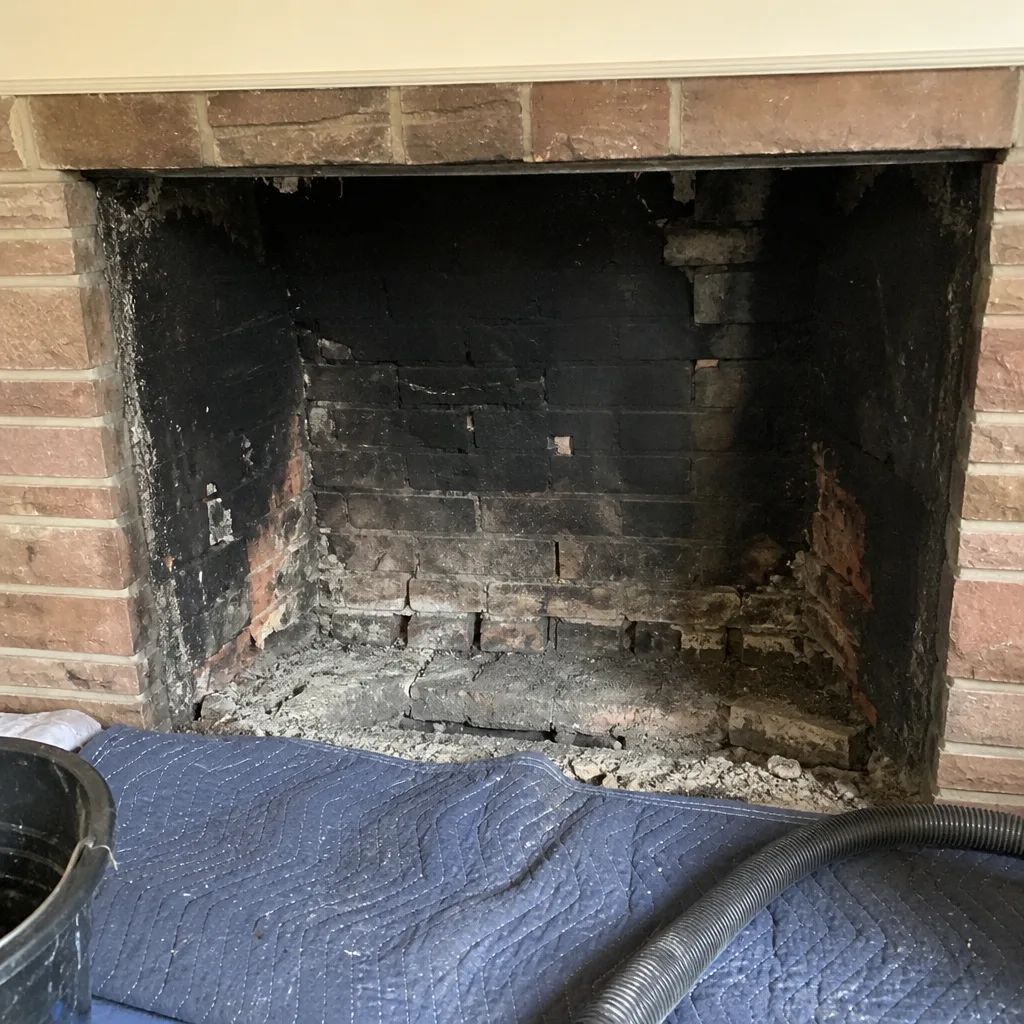 Before
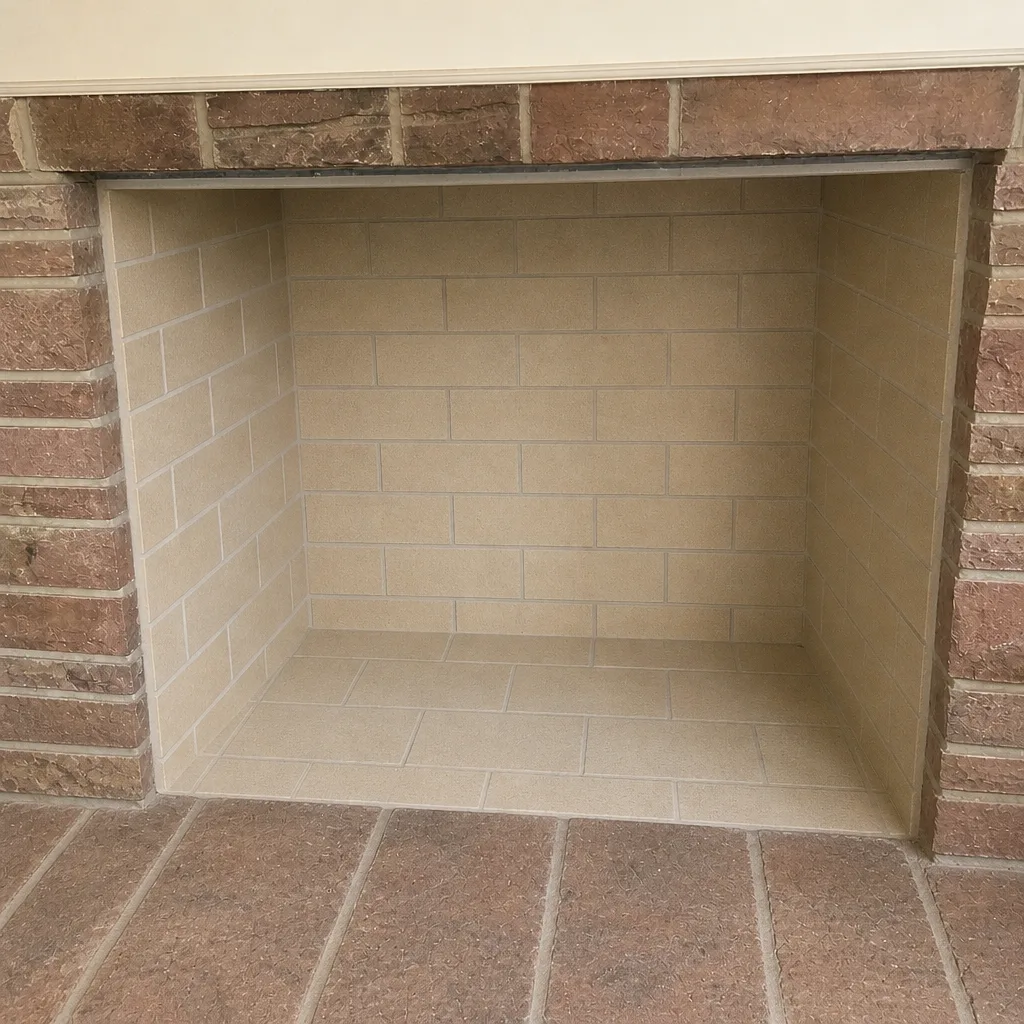 After
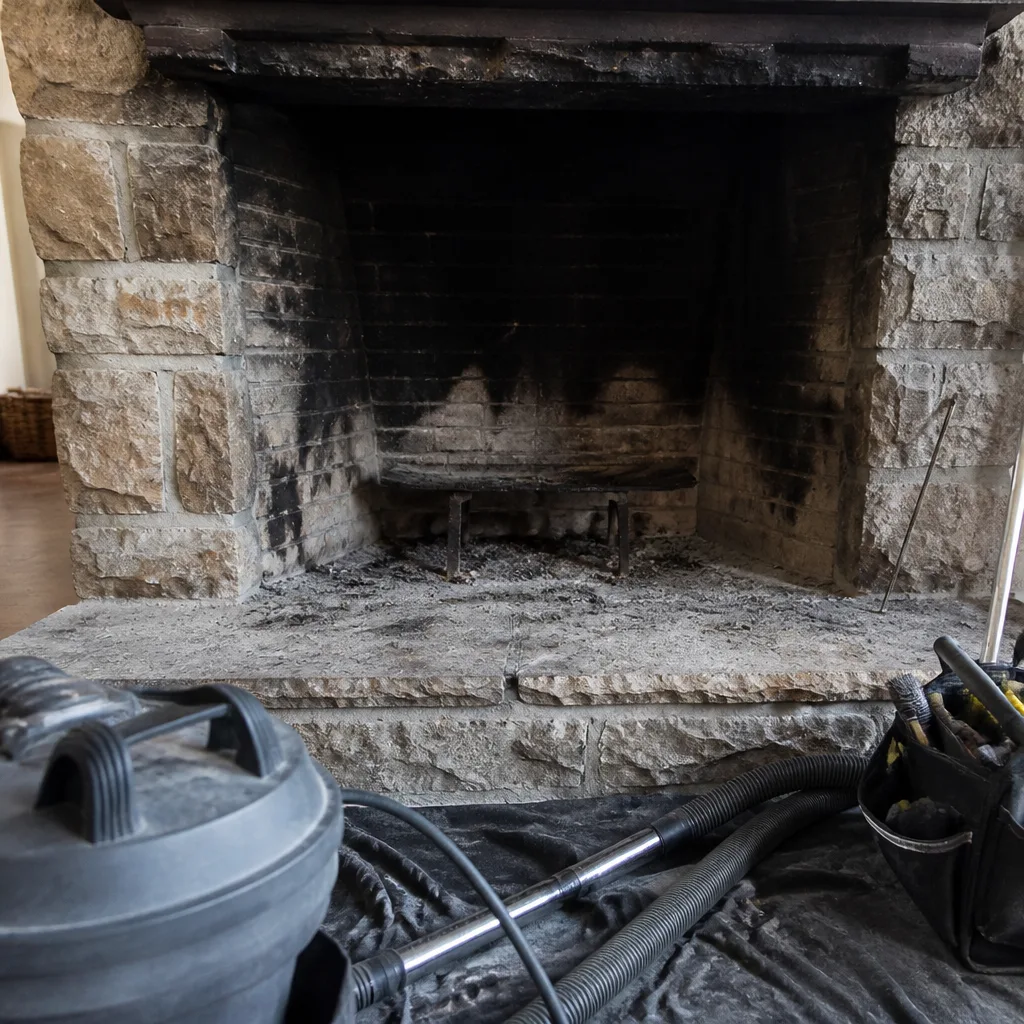 Before
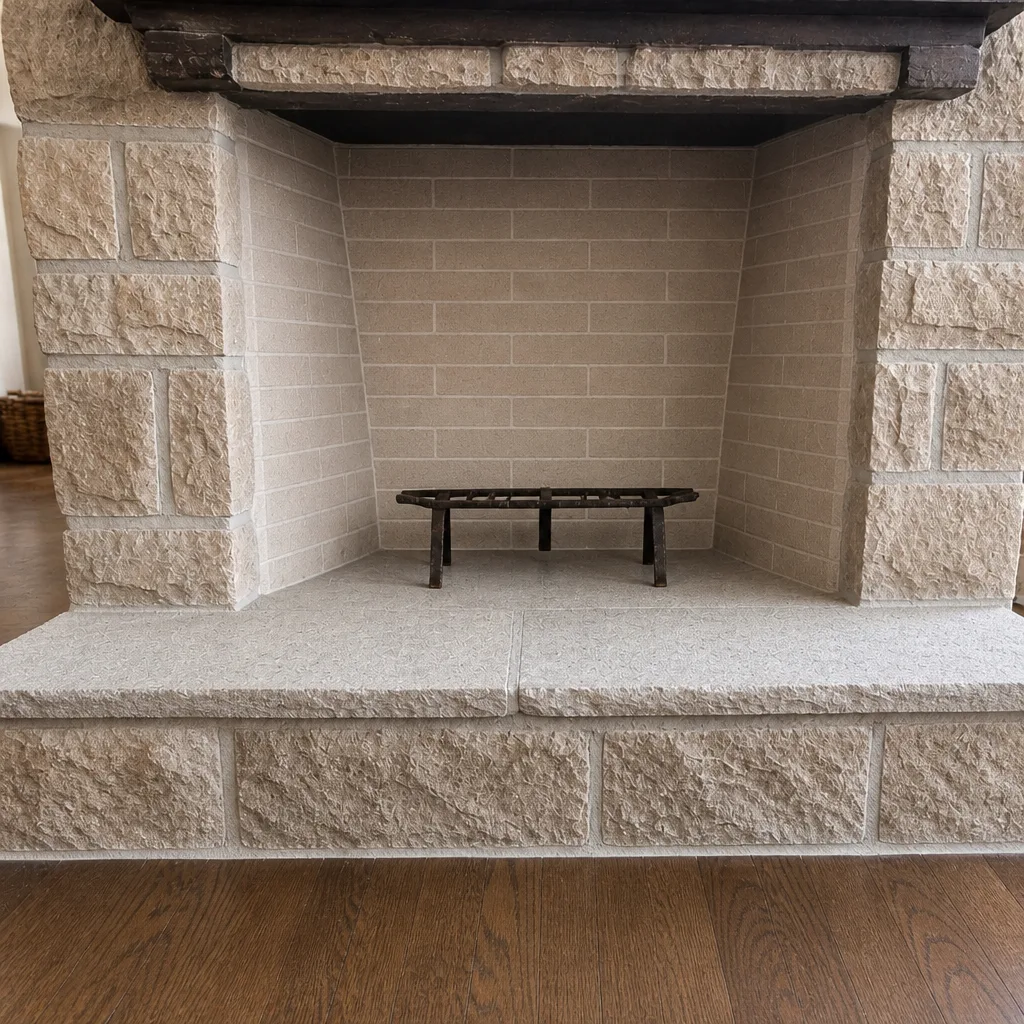 After
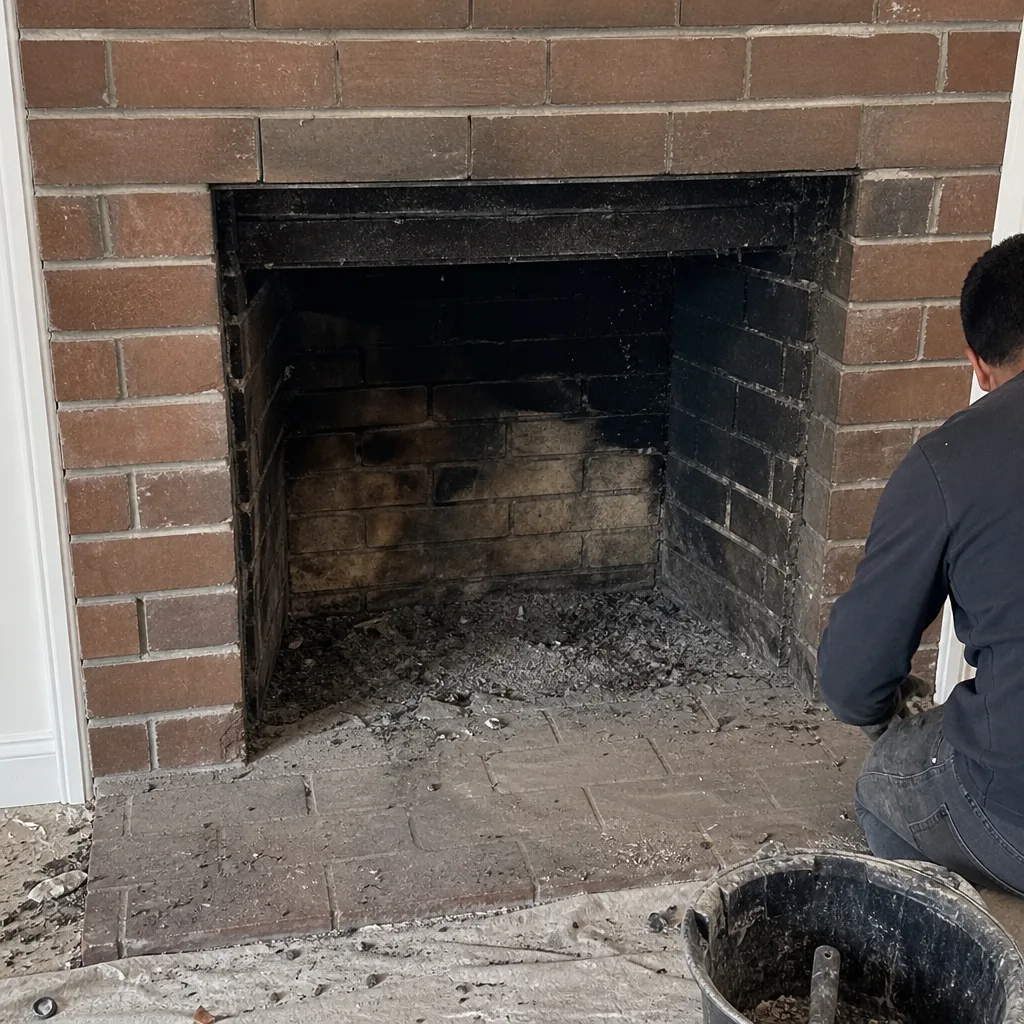 Before
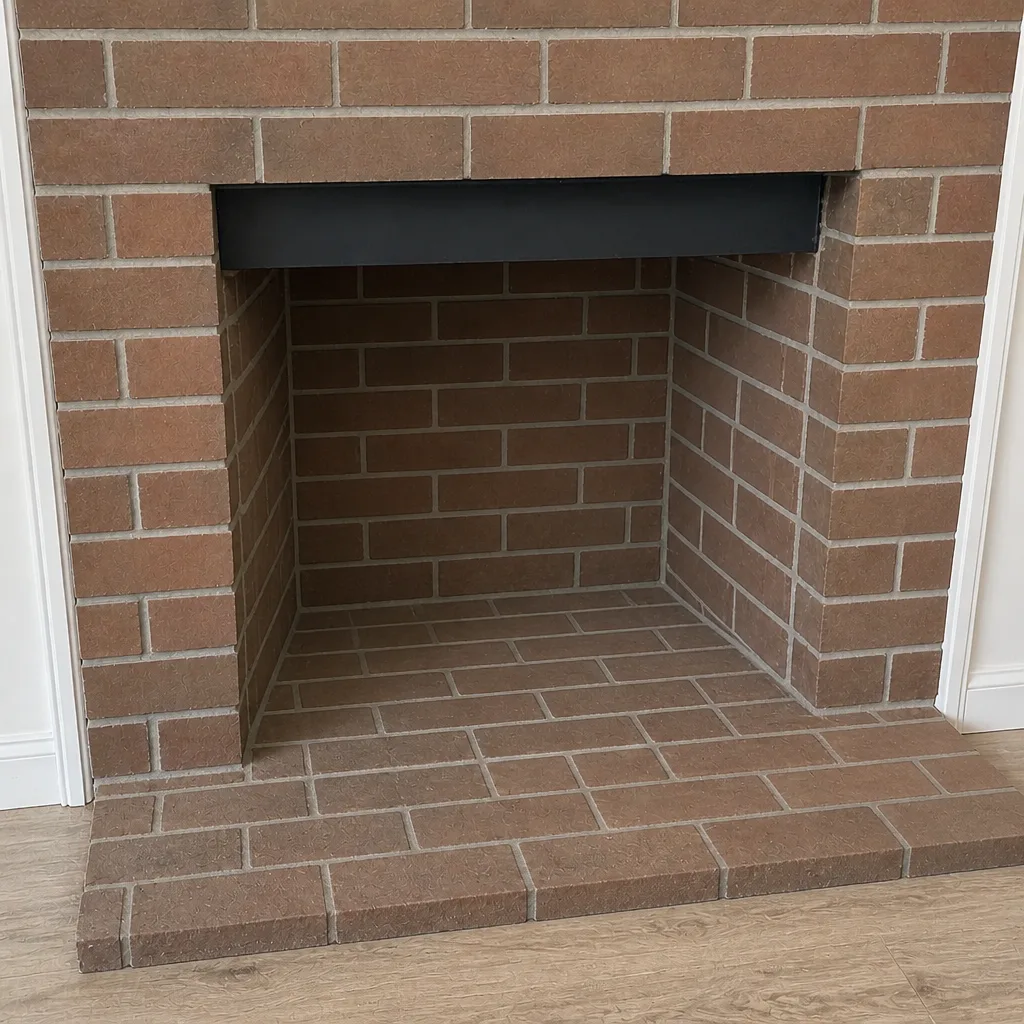 After